
Celebrities, Trichotillomania & Hair-Pulling Disorders: Awareness, Reality, and Support

Key Insights on Trichotillomania and Its Impact
-
Trichotillomania is a body-focused repetitive behavior (BFRB) that can affect people of any background.
-
Several public figures have openly discussed hair-pulling behaviors, OCD, anxiety, or impulse-control challenges.
-
Public conversations reduce stigma, yet awareness is never a substitute for a medical diagnosis.
-
Compassionate care, therapy, and thoughtful cosmetic support can help people manage hair loss and rebuild confidence.
Important Note on Awareness vs. Diagnosis
Some public figures referenced in this article have talked about OCD, anxiety, or body-focused repetitive behaviors in interviews or creative work. Not all have publicly confirmed a medical diagnosis of trichotillomania.
This article aims to encourage understanding and empathy, not to diagnose anyone.
Introduction
Trichotillomania, commonly known as hair-pulling disorder, is characterized by recurrent urges to pull hair from the scalp, eyelashes, eyebrows, and other body areas. It can affect individuals of any age, gender, or background and is frequently associated with stress, anxiety, and other mental health concerns. It is estimated that trichotillomania affects approximately 1-2% of the population, underscoring its prevalence and the need to address this often-overlooked condition.
The visible effects of hair loss can lead to feelings of shame, isolation, and fear of judgment, which may intensify the emotional toll of the disorder. When public figures speak openly about anxiety, OCD, or hair-pulling, they help normalize mental health conversations and reduce stigma for those facing similar challenges.
This article explores how open dialogue — especially discussions involving celebrities — can expand awareness of trichotillomania while offering education, empathy, and support for people affected by the condition.
If you or someone close to you is experiencing hair loss connected to trichotillomania, compassionate, non-judgmental support can be transformative.
Trichotillomania and Body-Focused Repetitive Behaviors
Trichotillomania is classified as a body-focused repetitive behavior (BFRB). These behaviors are not simple habits or choices — they are complex neurological responses that can be prompted by stress, challenges with emotional regulation, or sensory needs.
Hair-pulling can:
-
Occur consciously or automatically
-
Intensify during stressful periods
-
Lead to thinning, bald patches, or long-term follicle damage
Deeper understanding is a crucial step toward reducing shame and encouraging treatment.
Public Figures and Hair-Pulling Awareness
Over time, some celebrities have spoken about OCD, anxiety, impulse-control struggles, or hair-pulling — through interviews, documentaries, or creative projects. While their discussions vary in depth and do not always involve a diagnosis, they have helped draw attention to conditions that are often misunderstood or kept private.
Conversations That Have Increased Awareness
-
Amy Schumer has explored hair-pulling behaviors and anxiety through storytelling in her work, helping normalize difficult mental health conversations.
-
Olivia Munn has discussed anxiety and OCD-related behaviors, underscoring the value of therapy and professional support.
-
Justin Timberlake has shared experiences with impulse-control challenges, contributing to broader conversations about men’s mental health.
-
Megan Fox has opened up about anxiety and coping behaviors in interviews, prompting discussions around appearance-related pressures and mental health.
These conversations matter not because of celebrity status, but because they reinforce that mental health struggles do not discriminate.
The Emotional Impact of Hair Loss From Trichotillomania
Hair loss related to trichotillomania can profoundly affect self-esteem, social comfort, and emotional well-being. Many people may:
-
Avoid mirrors or photos
-
Change hairstyles to conceal thinning areas
-
Feel anxious in social situations
This emotional toll is just as important to address as the physical symptoms. How do you think hair loss from trichotillomania can affect someone's self-esteem?
Treatment and Management Options
There is no single cure for trichotillomania, but many people manage symptoms successfully with the right guidance and support.
Therapy Approaches
Behavioral therapies are central to care and can be tailored to each person’s needs.
Cognitive-behavioral therapy (CBT)
CBT helps individuals identify thoughts, emotions, and situations that precede hair-pulling urges. By building awareness and learning new coping skills, CBT supports lasting behavior change and can reduce the frequency and intensity of pulling episodes.
Habit reversal training (HRT)
HRT teaches people to notice urges early and replace pulling with competing responses — practical, alternative actions that are incompatible with hair-pulling.
Acceptance and commitment therapy (ACT)
ACT encourages acceptance of difficult thoughts and feelings while committing to values-driven behaviors, which can reduce the pull of urges over time.
Medical Care
Medication may be considered when appropriate as part of a comprehensive plan led by a qualified professional, especially when co-occurring conditions like anxiety or depression are present.
Community and Peer Support
Support groups, peer communities, and educational resources can provide encouragement, accountability, and practical strategies for day-to-day challenges. Have you explored support groups for hair-pulling disorders?
Treatment plans are highly individualized and should be developed with a qualified clinician.
Cosmetic Support for Hair Loss From Trichotillomania
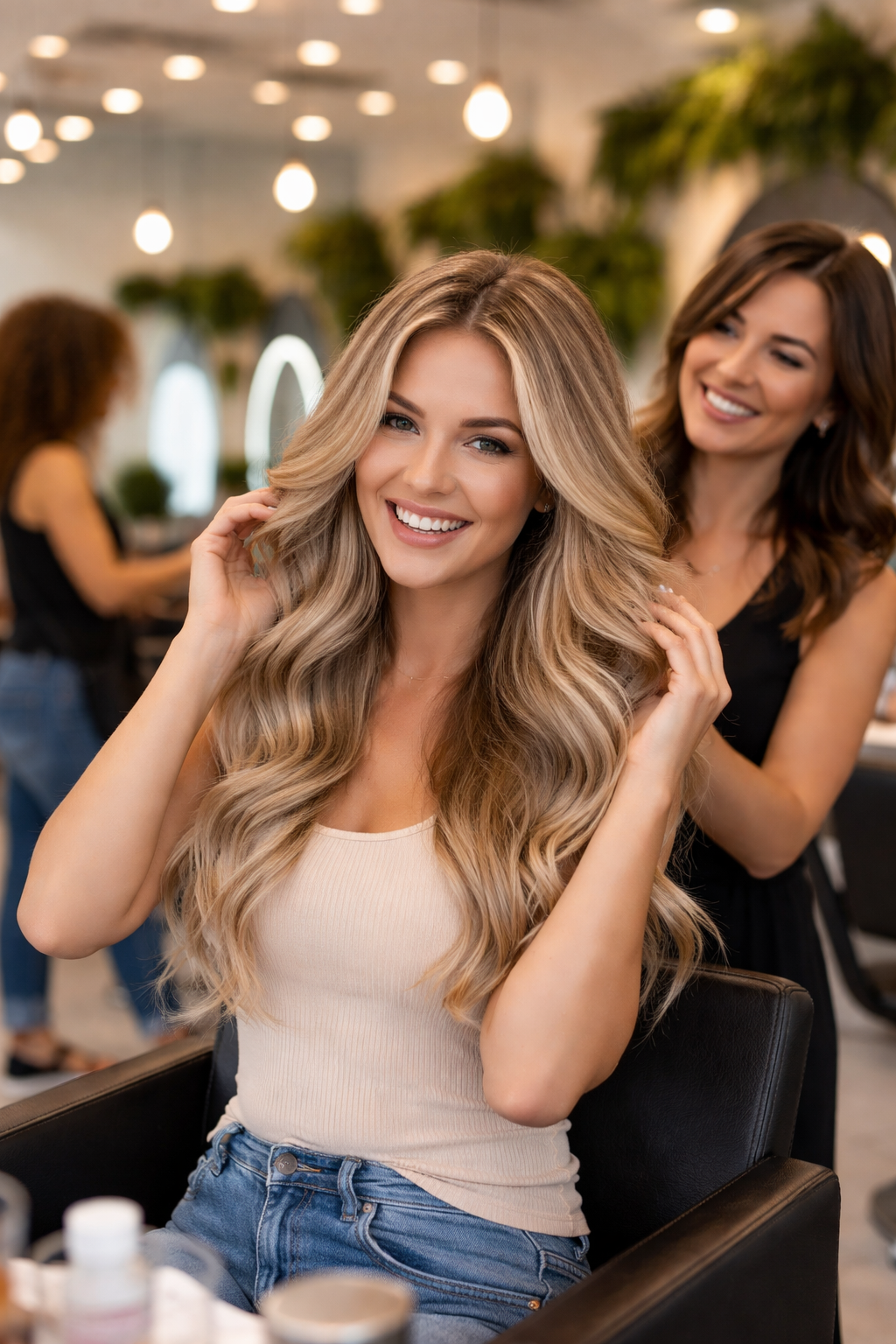
Alongside therapy, cosmetic hair solutions can play a powerful role in emotional recovery. When performed gently and correctly, these options can restore confidence without aggravating the condition.
Professional support may include:
-
Non-damaging hair extensions
-
Custom toppers or partial coverage
-
Scalp-safe camouflage techniques
-
Styling approaches that avoid tension or traction
Consider how cosmetic support might help in everyday life. For example, a student who feels anxious about visible thinning could use a lightweight, custom topper to attend classes comfortably. Someone preparing for a job interview might choose scalp-safe camouflage to feel more at ease when making a first impression. These small, practical choices can make daily routines and social moments feel more manageable.
At Noelle Salon, our approach is compassionate, private, and personalized — focused on preserving scalp health while helping clients feel like themselves again.

Reducing Stigma Through Compassion
Trichotillomania is frequently misunderstood, which can fuel myths and judgment. Responsible awareness helps replace shame with understanding and encourages people to seek help earlier.
Constructive strategies to reduce stigma include sharing accurate information, avoiding blame-based language, and centering compassion in conversations. By prioritizing education, empathy, and appropriate support, we can create safer environments for people navigating hair-pulling disorders and hair loss.
Empowerment Initiatives That Make a Difference
Community-led efforts can improve confidence and belonging. Examples include local or online support groups where members exchange coping skills, awareness campaigns that highlight real experiences rather than stereotypes, and educational workshops that teach families and friends how to provide thoughtful support. These initiatives help people feel seen, validated, and empowered to pursue care.
If you’re seeking private, compassionate guidance, you can schedule a confidential trichotillomania hair loss consultation to explore supportive, non-damaging options.
Frequently Asked Questions About Trichotillomania and Hair Loss
Is trichotillomania caused by stress?
Stress can be a trigger, but trichotillomania is a complex neurological condition influenced by multiple factors.
Can hair grow back after trichotillomania?
In many cases, yes — especially when pulling stops early. Professional guidance can help determine the best options for your situation.
Is cosmetic hair support safe for trichotillomania?
When performed correctly and without tension, cosmetic solutions can be emotionally beneficial and gentle on the scalp.
Understanding trichotillomania requires compassion and education. If you or someone you know is struggling, find supportive resources to regain confidence.