

Ultimate Guide: Types of Weft Hair Extensions

Understanding the different types of weft hair extensions is essential when choosing a method that feels comfortable, blends naturally, and supports your hair type long term.
Many clients searching for hair extensions Boston are overwhelmed by terms like hand-tied wefts, genius wefts, flat wefts, hybrid wefts, and volume wefts — especially when trying to determine which option is best for fine hair, scalp comfort, or long-term wear.
At Noelle Salon, we specialize in customizing weft hair extensions for fine hair, thinning hair, and clients looking for lightweight, natural-looking results. In this guide, we’ll break down the different types of weft extensions, how they compare, and which methods work best depending on your hair density, lifestyle, and styling goals.

The best weft hair extension type depends on you
In the hair world, innovation never stops—everyone is striving to create a gentler, lighter, longer-wearing weft that looks seamless and is easy for stylists to apply. Below is a clear breakdown of the primary weft hair extensions (often called hair tracks) used for sew-in applications, with notes on comfort, density, and how each option supports your own hair and scalp when paired with proper care.

Machine and Flat Weft Hair Extensions
Machine and flat weft hair extensions are created by stitching hair onto a reinforced seam, creating a durable track that works well for medium to thick hair. Because the seam is thicker and bulkier than other weft types, these methods are usually less ideal for fine or thinning hair that requires a lightweight, discreet attachment.
Defining features: Thicker seam, durable construction, and cuttable tracks for customization.
Best for: Medium to thick hair that can comfortably support more density.
Potential drawback: The seam can feel heavier and may be more visible in fine hair.
What Are Volume Weft Hair Extensions?
Volume wefts are designed with more hair packed into each track to create fuller results with fewer wefts. While this can work well for thick hair, the added density may feel too heavy for delicate or fine hair types.
Defining features: Higher density and fuller appearance with fewer tracks.
Best for: Thick or coarse hair that benefits from extra fullness.
Potential drawback: Bulkier attachment points that may not blend as naturally in fine hair.
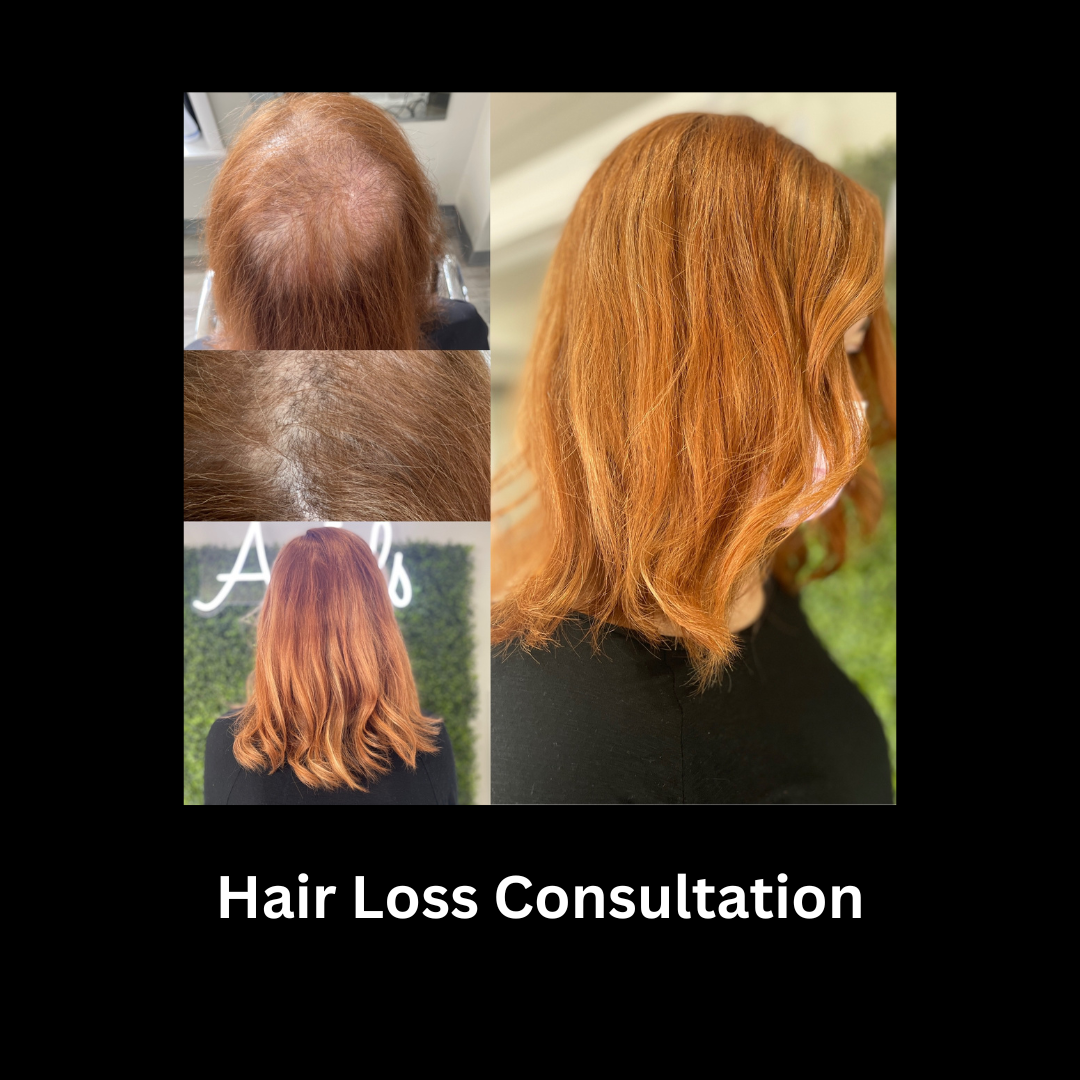
Choosing the right density is just as important as choosing the right method. Clients with fine or thinning hair often require fewer grams and lighter placement to maintain a natural-looking blend while avoiding excess weight and tension on delicate hair.
Hand-Tied Weft Hair Extensions
Hand-tied wefts are popular for fine hair because they create a thinner, flatter attachment area that blends more naturally at the scalp. For clients researching the best hair extensions for thin hair, lightweight weft methods such as hand-tied and hybrid wefts are often preferred because they create a more natural-looking blend with less bulk at the scalp.
Defining features: Ultra-thin seam, lightweight feel, and natural movement.
Best for: Fine to medium hair seeking a low-profile, natural-looking blend.
Considerations: Hand-tied wefts are more delicate and typically should not be cut.
Genius, Hybrid, Micro Wefts, and Bellami Flex Wefts
Modern hybrid and genius-style wefts combine the flexibility of hand-tied extensions with improved durability and customization. These wefts feature an ultra-flat seam, minimal bulk, and can often be cut for a more customized fit without unraveling.
Defining features: Ultra-flat seam, customizable sizing, minimal return hair, and lightweight flexibility.
Best for: Fine, medium, or thick hair depending on density and placement.
Considerations: Proper installation and maintenance remain essential for comfort and long-term wear.
Attachment Methods for Weft Hair Extensions: Beaded Sew-In vs. Braided Weaves
Nearly all weft hair extensions can be installed using either a micro-link (beaded) base or a braided base before sewing the track in place. The best method often depends on hair density, scalp sensitivity, and lifestyle. The micro-link beaded technique generally suits fine hair because it feels lighter at the scalp and moves naturally. A braided sew-in can be ideal for thicker hair that benefits from a more secure foundation for multiple tracks.
Beaded sew-in: Lightweight feel and flexible movement; often preferred for finer strands.
Braided sew-in: Secure and robust; a good match for thick or highly textured hair.
Quick Comparison: Installation, Longevity, and Styling Options at a Glance
| Type of Weft | Installation Method | Longevity | Styling Options |
|---|---|---|---|
| Hand-Tied Weft | Sewn onto a beaded or braided base | Moderate-term with routine move-ups | High flexibility; delicate track favors light, flat styles |
| Machine/Flat Weft | Sewn onto a beaded or braided base | Moderate to long-term; sturdy construction | Heat styling friendly; fuller looks; smooth seam for updos |
| Tape-In | Adhesive tape panels applied in sandwiches | Short to moderate-term; requires regular re-taping | Versatile; avoid direct heat on adhesive tabs |
| Clip-In | Pressure-sensitive clips; DIY on/off | Temporary wear; remove daily | Great for occasional volume/length; no chemical/heat limits on seam |
| Fusion (Keratin Bonds) | Strand-by-strand bonded installation | Long-wearing with professional application | Wide styling freedom; avoid direct heat on bonds |
Discover Which Weft Hair Extensions Fit Your Goals
Choosing the right weft extension depends on your hair density, lifestyle, maintenance preferences, and desired result. During a complimentary consultation, we evaluate your natural hair, scalp comfort, styling habits, and blending goals to recommend the most appropriate extension method for long-term wear and natural-looking results.
Maintenance Tips for Weft Hair Extensions
Proper aftercare helps protect both your natural hair and your extensions long term. Gentle brushing, sulfate-free products, regular maintenance appointments, and minimizing excess tension all help keep weft extensions comfortable and natural-looking.
To reduce tangling and stress on the hair, avoid sleeping with wet hair, use heat protectant before styling, and keep oils or heavy products away from the attachment area. Routine move-up appointments also help maintain proper placement, scalp comfort, and blending as your natural hair grows.

About Noelle Salon
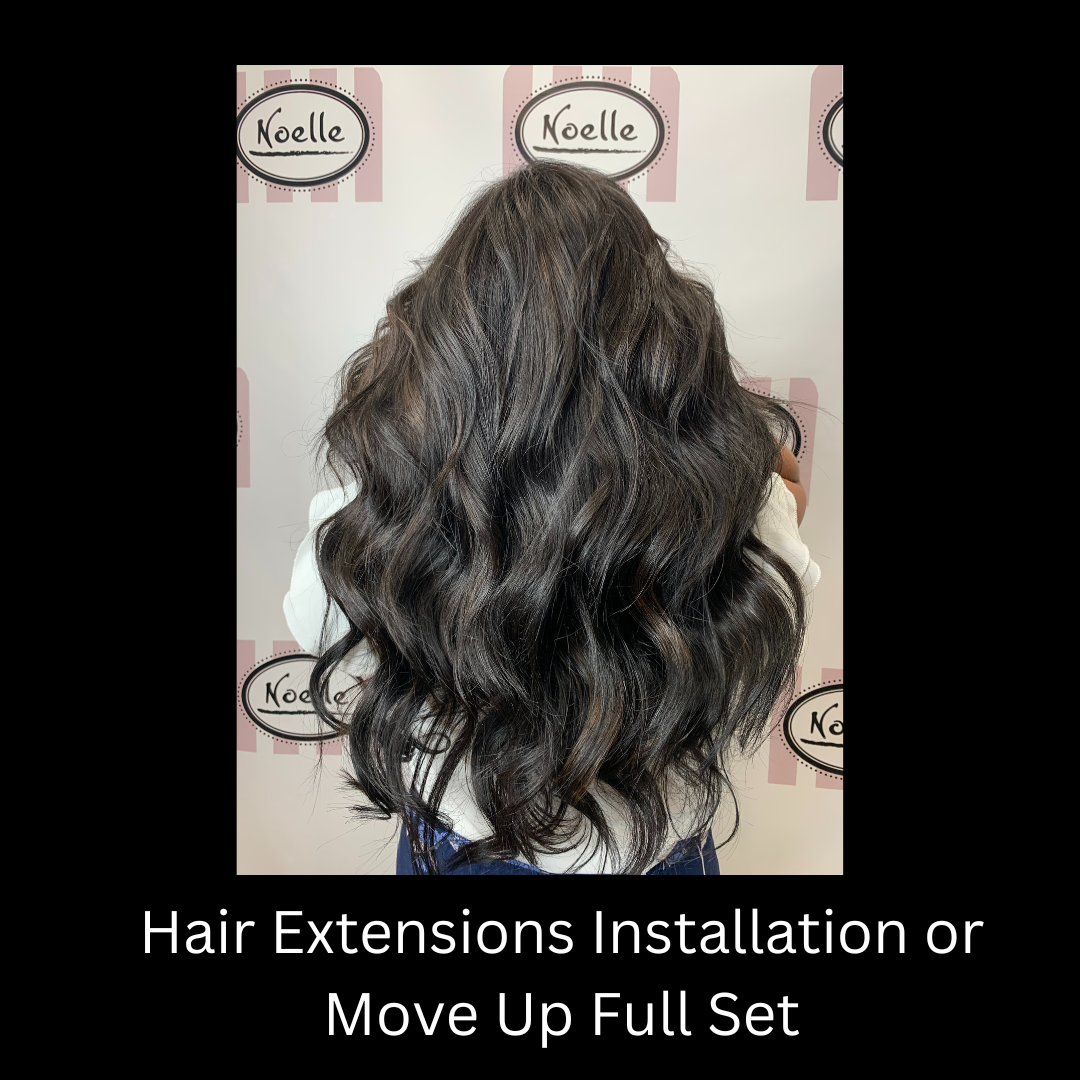
At Noelle Salon, we customize weft hair extensions based on your hair density, scalp comfort, lifestyle, and desired result. We work with high-quality human hair extensions, including hand-tied, hybrid, genius-style, and flexible weft options designed to create natural-looking volume and seamless blending.
Our goal is to recommend lightweight, scalp-conscious extension solutions that support both comfort and long-term hair health while creating a result that looks natural in everyday wear.
Conclusion: Finding the Right Weft Hair Extensions
Choosing the right weft hair extensions depends on your hair density, lifestyle, styling preferences, and long-term maintenance goals. From lightweight hand-tied wefts to customizable genius and hybrid wefts, each method offers different benefits depending on the level of fullness, flexibility, and comfort you’re looking for.
For fine or thinning hair, selecting a lightweight method with proper placement is especially important for maintaining scalp comfort and protecting the integrity of your natural hair.
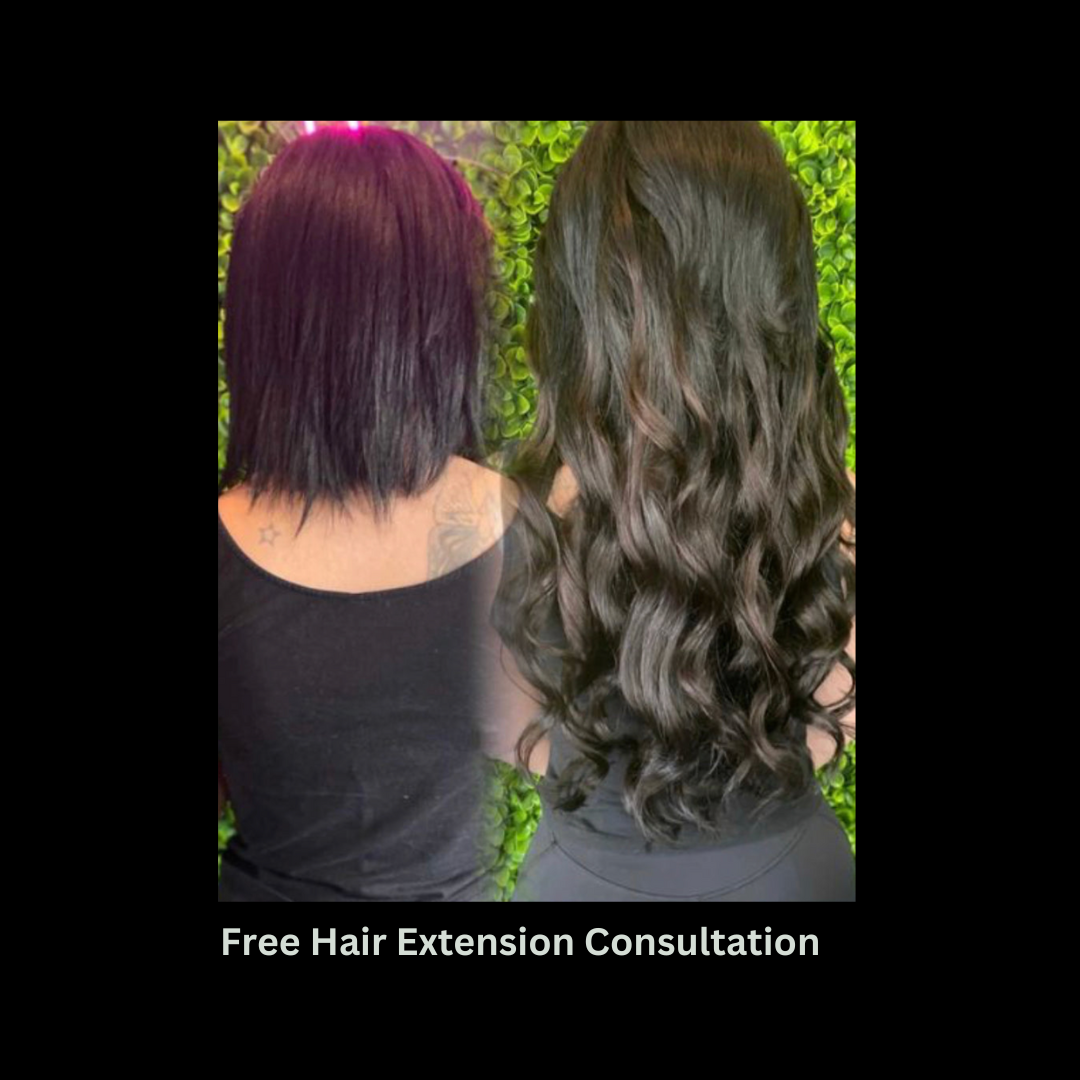
Book a Free Hair Extension Consultation to determine which weft extension method is best suited for your hair type, goals, and lifestyle.


