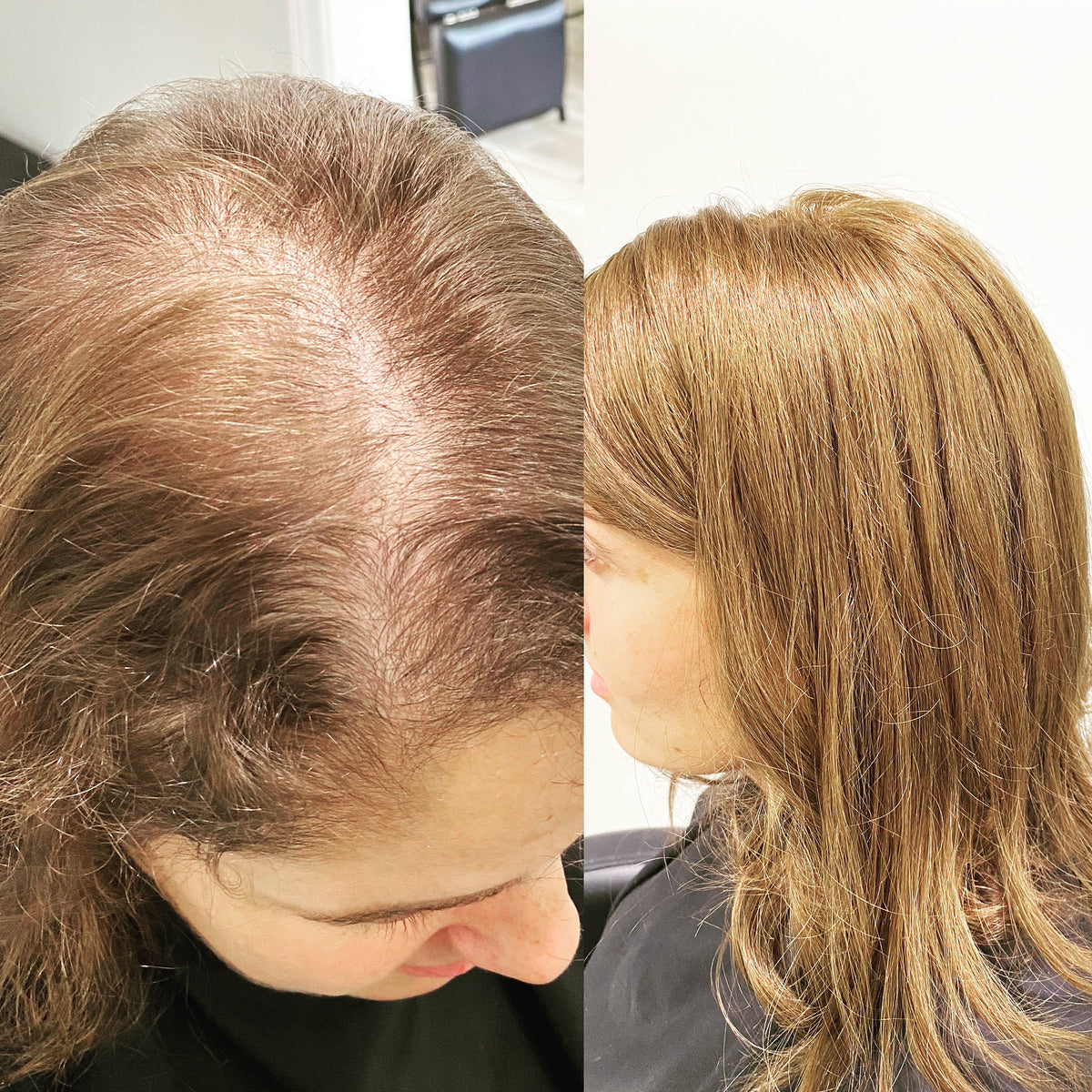
Are Hair Extensions for Volume Right for Thin or Flat Hair?
Key Highlights
-
Hair extensions for volume focus on adding fullness and density rather than noticeable length, making them ideal for flat hair and visible hair thinning.
-
Lightweight methods like tape-ins, clip-ins, and halo extensions deliver natural results when matched to the right hair extensions for your hair type.
-
Short and shoulder-length styles can look fuller with volume-focused extensions that enhance shape without bulk.
-
The number of extensions needed depends on hair density and the desired volume, not on length goals.
-
Proper method selection, professional installation, and maintenance are essential to avoid damage and achieve the best results.
-
Costs vary by method, hair quality, and upkeep, so understanding pricing helps set realistic expectations.
Flat or thinning hair can be especially frustrating when a style looks full in the mirror, only to fall flat within an hour. Many people avoid certain hairstyles altogether, seeking ways to boost volume without resorting to heavy or damaging solutions.
Volume loss often shows up first at the crown, sides, or mid-lengths, even when hair length feels adequate. Quick fixes like teasing or extra heat may help temporarily, but they rarely deliver consistent, natural-looking fullness.
This blog explains how hair extensions for volume work, which methods suit different hair types and lengths, what results to expect, and how to choose a safe, effective option that supports long-term hair health.
What Are Hair Extensions for Volume and How Do They Work?
Hair extensions used for volume serve a different purpose than extensions designed mainly for length. Instead of adding noticeable inches, they focus on improving density where hair looks thin or flat. This is especially helpful around the crown, sides, and mid-lengths, where fullness is often lost first. The goal is a more balanced shape and a thicker appearance, not longer hair.
These extensions work by adding small amounts of lightweight hair that blend into your natural strands. A stylist places them only where support is needed, allowing the hair to move naturally rather than feeling weighed down. Because the emphasis is on fullness, fewer pieces are usually required, which makes the approach gentler on fine hair and the scalp.
Results depend heavily on placement and weight. Fine hair responds best to lighter options that sit comfortably and do not pull or collapse the style. Depending on your routine and goals, volume-focused extensions can be worn short-term or installed for longer-term use, always to enhance fullness without worsening thinning.
Can Hair Extensions Help With Volume for People Experiencing Hair Loss?
For many people dealing with thinning hair, the idea of adding volume can feel both hopeful and intimidating. When carefully chosen and applied by a specialist, hair extensions can create a fuller look, though suitability still depends on hair health, density, and the underlying cause of thinning.
Hair extensions may help when:
-
Hair loss is mild to moderate and evenly distributed.
-
The scalp still has enough strong hair to support extensions.
-
Thinning is due to fine hair texture, aging, or postpartum shedding.
-
Lightweight methods are used with proper placement.
Hair extensions may not be recommended when:
-
Hair loss is severe or actively progressing.
-
There is traction alopecia or significant scalp sensitivity.
-
Medical conditions or treatments cause hair loss.
When applied correctly, volume focused extensions can fill sparse areas and create extra volume without stressing the hair. Choosing lightweight options and limiting the number used supports comfort and long term health. A professional consultation helps determine whether extensions will enhance gorgeous hair safely or if alternative volume solutions are a better fit.
Which Hair Extension Types Are Best for Adding Volume?

Not all hair extensions add volume in the same way. The right option depends on your hair type, daily routine, and the level of fullness you want to achieve. Some methods are designed for daily use, while others work better as occasional support. Choosing the correct type of extension helps create a more voluminous look without putting unnecessary strain on your natural hair.
Below are standard extension methods often used for adding volume, shown here as practical examples rather than one-size-fits-all solutions:
1) Tape-In Hair Extensions

(Source)
Tape in hair extensions for volume are often used when fine hair needs subtle fullness without bulk. Their flat design allows them to sit close to the scalp and blend easily. When placed correctly, they feel lightweight and comfortable.
They are usually avoided if the scalp is very sensitive or if adhesive buildup causes discomfort at the roots. Proper spacing and maintenance are key to preventing tension on surrounding strands.
2) Clip-In Hair Extensions

(Source)
Clip-in hair extensions for volume are a flexible option for temporary enhancement. They work well for special occasions or short-term styling since they can be removed daily. This makes them appealing to people exploring hair extensions for length and volume without long-term commitment.
They are best avoided for all-day, every-day wear on fantastic hair, as repeated clipping in the same areas can create pressure points or tension on individual strands.
3) Hand Tied and Weft Extensions

(Source)
Weft-based methods are commonly used to create even volume across the head. Because the hair is attached along a shared base, weight is distributed more evenly, which can feel more stable than the strand-by-strand methods.
These may not be ideal if hair density is exceptionally low in certain areas, as the weft still relies on enough natural hair for support. Discomfort at the roots is often a sign that placement needs adjustment.
To better understand how these methods work and which option may be right for your hair type, Noelle Salon explains the differences in detail in their guides on hand-tied hair extensions and weft hair extensions, helping clients choose the best approach for balanced volume and comfort.
4) Micro Link or Beaded Extensions

(Source)
Beaded extensions allow for precise placement and controlled volume. They tend to work better on hair that has enough strength to support individual attachment points.
They are usually avoided for very fine or actively thinning hair, as tension on individual strands can become noticeable, especially near the crown or hairline.
5) Halo and One Piece Extensions

(Source)
Halo and one-piece extensions are often chosen for gentle, short-term volume. Since they do not attach directly to natural hair, they reduce the risk of tension or pulling at the roots.
They are less suitable for dramatic density changes or all-day styling, as they provide light enhancement rather than structural support.
When chosen carefully, volume-focused extensions are typically lighter and more conservative than length-focused methods. With professional guidance, they are meant to support thinning hair, not push it beyond its limits or make thinning worse over time.
How Many Hair Extensions Do I Need for Volume?
Most people are surprised to learn that adding volume does not usually require many extensions. Because volume-focused pieces are placed strategically, often around the crown and sides, fewer extensions can still make a noticeable difference. The exact number varies, but these are common starting points many stylists use when planning volume support.
Here are typical starting points most people need when adding volume with hair extensions:
-
Fine or thin hair often needs fewer pieces. Around 1 to 2 rows, or roughly 6 to 10 lightweight extensions, are typically enough to create visible fullness without stressing fragile hair.
-
Medium-density hair usually benefits from moderate coverage. Two rows, or about eight to fourteen pieces, often create balanced volume while keeping the result natural.
-
Thicker hair may require additional pieces for even blending. More extensions are sometimes used to prevent gaps, especially around the crown and sides, where fullness can drop off.
These numbers are meant as estimates, not rules. Hair density, placement, and personal comfort all play a role. A professional consultation helps fine-tune both placement and quantity, ensuring the hair looks fuller without being overloaded or pushed beyond its limits.
What Should You Know Before Adding Hair Extensions for Volume?

If you have ever worried about extensions feeling uncomfortable, looking obvious, or making thinning worse, you are not alone. These concerns are common, especially after mixed salon experiences. Here are a few things that matter most before you decide to add volume with hair extensions.
Before moving forward, it helps to understand how volume-focused extensions will work with your natural hair and daily routine. Thoughtful planning can make the difference between supportive fullness and unnecessary stress.
-
Hair health comes first: Extensions should only be added to hair that can safely support them. For example, hair that is actively breaking or shedding heavily may need strengthening treatments before any extensions are considered.
-
Method choice matters: Lightweight options are usually better for fine or thinning hair. A flat tape-in or subtle weft often feels more comfortable than the strand-by-strand methods that pull on individual hairs.
-
Maintenance is part of the commitment: Regular brushing, gentle washing, and scheduled salon visits help prevent tangling and matting. Skipping maintenance can lead to discomfort at the roots or visible attachment points.
-
Styling habits may need adjusting: High heat, tight ponytails, and heavy styling products can shorten wear time. For instance, switching from daily hot tools to lower heat settings helps protect both your natural hair and extensions.
-
Consultations make a real difference: A professional assessment looks at density, placement, and lifestyle. This step helps explain why some before and after short hair extensions for volume results look natural and balanced, while others appear heavy or uneven.
Taking these factors into account helps you approach volume extensions with confidence. The goal is fuller-looking hair that feels comfortable, looks natural, and supports long-term hair health rather than risking damage.
Are Hair Extensions for Volume a Good Long-Term Choice?
Hair extensions for volume can be a worthwhile long-term option for people who want consistent fullness without relying on daily teasing or heavy styling. They are invaluable for fine or flat hair that struggles to hold volume throughout the day. Many wearers notice easier styling and a more balanced shape with less effort.
Long-term success depends on choosing a lightweight method, committing to regular adjustments, and handling extensions gently between appointments. For those willing to maintain them and work with a professional, volume extensions can offer a stable, natural-looking solution. When expectations are realistic, and hair health stays the priority, they can remain comfortable and practical over time.
Why Choose Noelle Salon for Hair Extensions for Volume?
When it comes to achieving natural-looking volume, technique and experience matter. Noelle Salon specializes in solutions designed for fine, thinning, short, and shoulder length hair extensions for volume. Every service starts with a personalized consultation to assess hair density, lifestyle, and styling goals, ensuring extensions are lightweight, well-placed, and comfortable for long-term wear.
Noelle Salon offers expert installation across tape-ins, hand-tied, and weft extensions, with careful attention to blending and hair health. Color matching, maintenance planning, and move-up services are handled in-house to ensure seamless, natural results over time.
If you are ready to add fullness without compromising hair health, book an appointment at Noelle Salon today and get a customized plan for natural, confident volume.
Conclusion
If you are considering hair extensions for volume, the next step is to focus on a solution that matches your hair type, lifestyle, and long-term goals. Volume extensions work best when they are lightweight, correctly placed, and professionally maintained. Avoid choosing methods solely on price or trends, as the wrong choice can compromise hair health.
Schedule a professional consultation to assess your hair density, discuss realistic results, and determine the safest extension method. Ask about maintenance, styling limits, and long-term care before committing. With the proper guidance and expectations, hair extensions for volume can deliver fuller-looking hair while protecting your natural hair over time.
Frequently Asked Questions
Are hair extensions safe for thin or flat hair?
Yes, human hair extensions are safe for thin or flat hair when applied by a trained professional. Choosing a lightweight method is key to preventing strain on your natural hair. With proper application and regular maintenance, you can enjoy added volume without causing damage.
Which hair extension type looks most natural for adding volume?
For the most natural look, hand-tied and hidden-bead extensions are among the best hair extensions. Their seamless application creates a flawless, natural blend. Using high-quality Remy human hair is crucial, as it ensures the cuticles are aligned, resulting in a soft, natural appearance that mimics your own hair.
Can I use hair extensions to add volume to short hair?
Short hair extensions for volume offer a quick, effective way to add fullness without adding length. Options like tape-ins, clip-ins, and halo extensions enhance body and balance, helping short styles look fuller, more polished, and natural.
How do I care for volume hair extensions to protect my natural hair?
Proper care is essential. Use sulfate-free, extension-safe hair products and be gentle when brushing. Your professional stylist will give you specific care instructions. Attending your scheduled maintenance appointments is crucial to keeping your extensions in good condition and ensuring your natural hair remains healthy.
Are there specific hair extension methods recommended for short hair to increase volume?
Yes. Lightweight tape-ins, clip-ins, and halo styles work best for short hair. These methods add fullness without bulk and blend naturally, especially when choosing shoulder-length hair extensions for volume that support balance and shape.
What features should I look for in hair extensions if my goal is just more volume?
Focus on lightweight hair, thin attachment points, and natural density. Extensions designed for fullness rather than length reduce tension, blend better, and keep the long-term cost of hair extensions for volume more manageable.
Is it possible to add volume to my hair with extensions without damaging my natural hair?
Yes, when the correct method is chosen. Lightweight extensions, proper placement, and professional installation help protect natural hair and minimize breakage while still creating noticeable volume and fullness.
How often should I wash my volume clip in extensions?
Clip in hair extensions for volume should be washed every fifteen to twenty wears, or when product buildup appears. Overwashing can dry the hair, while gentle care helps maintain softness and shape longer.
Are hair extensions damaging to my natural hair?
Hair extensions are not damaging when applied and maintained correctly. Damage usually results from poor installation, excessive extensions, or neglect of maintenance, rather than from the extensions themselves.
What Are Some Tips for Styling Layered Halo Hair Extensions?
Blend halo extensions by lightly curling natural hair and layers together. Avoid heavy products near the wire, and style with low heat to maintain movement and a natural, layered finish.