

How Much Does a Hair Topper Cost
The cost of a hair topper can vary significantly depending on several key factors—and the initial price is only part of the overall investment. For those exploring options related to hair loss Boston, understanding what drives cost can help you make a more confident, informed decision.
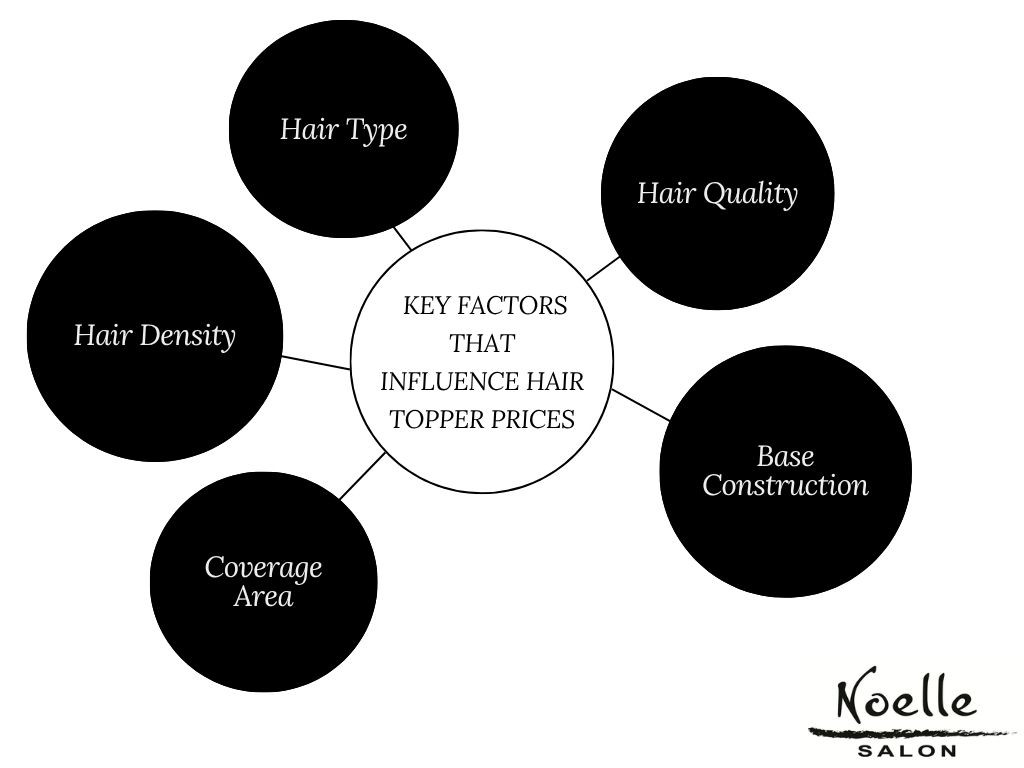
Pricing is influenced by elements such as hair type (human vs. synthetic), base design, size, density, length, and the level of customization required. Additional services like professional cutting, color matching, and installation can also impact the final cost.
Whether you’re purchasing your first topper or upgrading to a fully customized, luxury piece, having a clear understanding of the full pricing picture helps you avoid surprises and choose a solution that fits both your needs and your lifestyle.
In this guide, we’ll break down exactly what affects the cost of a hair topper so you can select the right option with clarity, comfort, and confidence.
Understanding Hair Topper Cost in 2025: Major Factors Influencing Prices
1) Impact of Hair Type on Costs (Synthetic vs. Human Hair)
Hair type has one of the biggest impacts on price—and on how your topper looks, feels, and wears over time.
-
Synthetic hair toppers are generally the most budget-friendly. These fiber toppers imitate natural hair and can look impressively real, but they’re more limited with heat styling and usually have a shorter lifespan than human hair options.
-
Human hair toppers, especially made from 100% Remy hair, cost more because they offer a natural appearance, long-term durability, and full styling freedom. The quality of sourcing and careful processing further increases cost—particularly for premium, ethically collected hair.
Quick reflection: Is your priority an affordable, low-maintenance solution—or a topper you can style and wear long-term like your own hair? Which do you value more—affordability or the most natural appearance?
2) Hair Quality and Origin: How They Influence Price
Within human hair toppers, grades and origin make a noticeable difference in appearance, longevity, and price.
-
Remy hair retains aligned cuticles, which reduces tangling and preserves a smooth look—raising both quality and cost.
-
Virgin hair is unprocessed, offering the most natural movement and endurance. It sits at the top of the price range.
-
Hair origin (for example, India, Russia, or Europe) can influence texture, thickness, and fullness, contributing to price differences among similar styles.
Quick reflection: Do you need ultra-smooth, long-wearing hair quality—or could a standard human hair grade fit your lifestyle and budget?
3) What Role Does Base Construction Play?
The base is the foundation of your hair topper. Its materials and craftsmanship influence realism, breathability, comfort, and cost.
-
Monofilament (mono) bases mimic a real scalp, with individually hand-tied strands for realistic movement at a mid-range price point.
-
Lace bases—including Swiss or French lace—are valued for an undetectable front hairline and airy comfort, typically costing more than mono bases.
-
Silk top bases are usually the most expensive because they conceal knots for a hyper-realistic scalp effect and require detailed construction.
Quick reflection: Is a highly realistic part and hairline your top priority, or would a breathable, durable base at a moderate price work best for you?
4) Coverage Area and Base Size: How They Affect Price
Coverage relates to base size. A small topper designed for crown thinning costs less than a large piece spanning from hairline to back. Larger bases require more hair, materials, and hand-tying time—raising the total price accordingly.
Quick reflection: What exact area do you want to cover today—and could a slightly larger base support future needs without overextending your budget now?
5) Hair Density: Volume vs. Value
Density determines how much hair is installed per square inch. Fuller toppers demand more hair and effort to produce and therefore cost more. Ordering a custom density tailored to your bio hair may also require additional labor and expense.
Quick reflection: Which density will blend best with your natural hair while keeping weight, comfort, and cost in balance?
Key Price Range Overview (U.S., 2025): What Do Hair Toppers Cost?
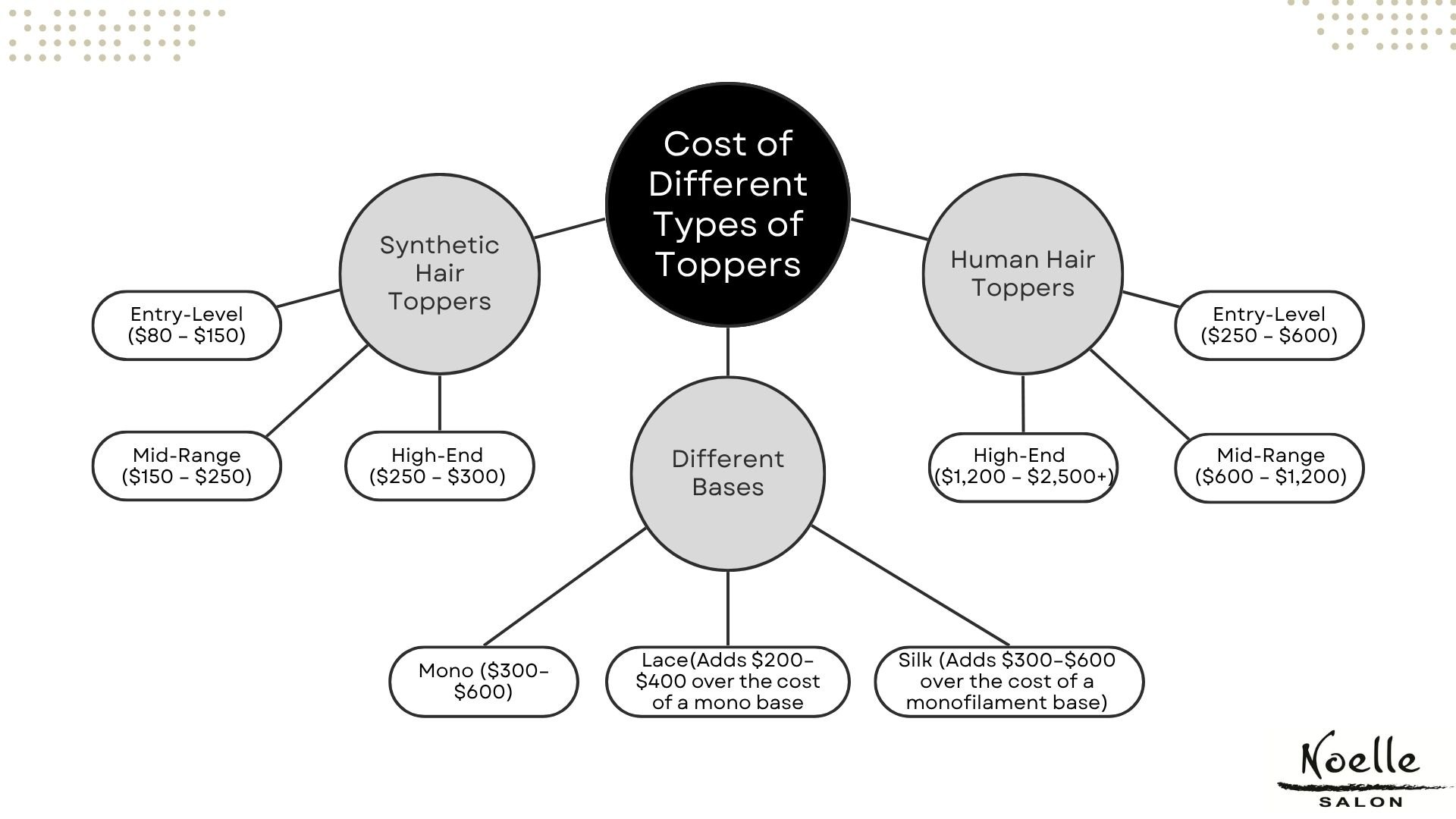
Hair toppers in the United States vary widely in price based on hair type (synthetic vs. human hair), base construction, size, length, density, brand, and customization. Use the guide below to compare options and match them to your goals and budget.
1) Synthetic Hair Topper Cost (Entry to High-End)
-
Entry-Level Synthetic Toppers ($80 – $150): Smaller base sizes, simple construction, and limited shades. Ideal when you need a quick, budget buy for occasional wear.
-
Mid-Range Synthetic Toppers ($150 – $250): Slightly larger coverage areas and more realistic fibers (including some heat-friendly options), often with contemporary cuts or textures.
-
High-End Synthetic Toppers ($250 – $300): Lightweight designs and upgraded bases (such as monofilament or lace) that deliver more natural movement and improved comfort.
Note: Synthetic toppers typically last about 3–6 months with daily wear, depending on care and environment.
Scenario example: You need a topper for special events and video calls but don’t plan on frequent heat styling. A mid-range synthetic with a monofilament part offers a natural look without the price of human hair. For entry-level budgets, imagine picking a small-base synthetic for quick errands or gym days; for high-end synthetic, picture choosing a lightweight piece with a lace detail for weekly social events where a realistic part matters.
Quick reflection: Will you wear your topper daily, or only for specific occasions—making synthetic a smart short-term value?
2) Human Hair Topper Cost (Entry, Mid, High-End)
-
Entry-Level Human Hair Toppers ($250 – $600):
-
Often made with non-Remy or mixed human hair.
-
Usually feature simpler cap designs and shorter lengths (around 10"–12").
-
-
Mid-Range Human Hair Toppers ($600 – $1,200):
-
Most include Remy hair for better cuticle alignment and smoother wear.
-
Lace or monofilament bases improve comfort and realism.
-
Better blending, durability, and versatile styling are common at this tier.
-
It is the best hair topper for advanced hair loss coverage.
-
-
High-End Human Hair Toppers ($1,200 – $2,500+):
-
Often crafted with 100% virgin or premium European/Russian Remy hair for superior softness and longevity.
-
Silk tops or fully hand-tied designs closely replicate a natural scalp.
-
Fully customizable for color, density, length (14"–22"+), and fit.
-
Commonly available through luxury brands or bespoke hair professionals.
-
Note: With proper care and mindful wear, quality human hair toppers can last roughly 9–24 months.
Scenario example: You want a daily-wear solution you can curl, straighten, and color to match seasonal changes. A mid- to high-range human hair topper with a silk top offers a natural scalp look and customizable styling. On the entry tier, imagine trying a shorter, basic-cap human hair topper for weekend wear to learn care routines; at the mid-range, think of a Remy piece you heat-style a few times a week for office-ready polish; at the high end, envision a fully hand-tied, longer-length topper tailored for all-day comfort and close-up realism.
Quick reflection: Do you need full styling freedom and a longer lifespan—making the jump to human hair a cost-effective move over time?
3) Base Construction Price Comparison (Mono, Lace, Silk Top)
The topper base affects realism and comfort—both reflected in the final price. Here’s what to expect when comparing base materials:
-
Monofilament Base
-
Entry-level among premium base types.
-
Generally priced around $300–$600.
-
-
Lace Base
-
Adds roughly $200–$400 over a monofilament base.
-
Swiss lace options are typically on the higher end due to comfort and realism.
-
-
Silk Top Base
-
Adds about $300–$600 compared with monofilament.
-
Demands more skilled construction, making it the costliest base style.
-
Scenario example: If you’re sensitive to heat or need superior breathability for long wear days, a lace base may feel more comfortable—even if it adds to the price over mono. Choose monofilament when you want a durable everyday part and multidirectional styling at a moderate cost; opt for a silk top when you need the most convincing scalp appearance for in-person meetings or updos.
Quick reflection: Which base qualities—scalp realism, airflow, or durability—matter most for your daily routine and comfort?
Customization, Professional Styling, and Ongoing Maintenance: Budgeting for Upkeep
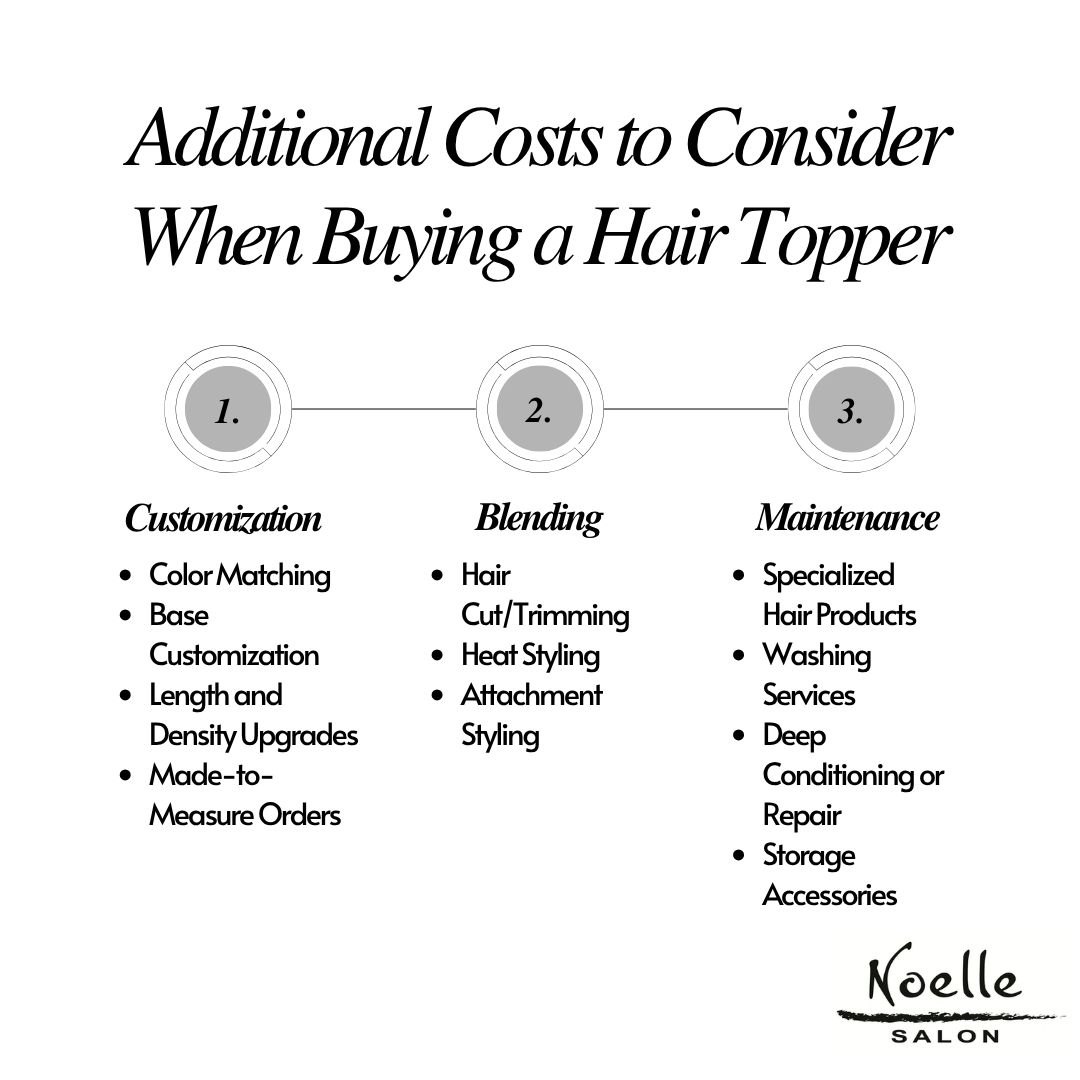 The price on the product page rarely represents your entire outlay. If you want a natural, custom look that wears comfortably and lasts, factor in the following add-ons when budgeting for your topper.
Customization Costs: Color, Base, Length, and Density
Customization ensures your topper mirrors your hair color, texture, density, and parting. These customizations of hair toppers typically add to the final total:
-
Color matching and custom coloring:
-
Basic matching may be included, while more advanced dye services often cost about $50 to $200.
-
Rooted looks, balayage, or highlights generally add $75 to $150.
-
-
Base customization:
-
Larger base sizes, additional clips, or a specific parting pattern may add roughly $30 to $100.
-
-
Length and density upgrades:
-
Longer lengths or higher densities for extra volume frequently add $100 to $300+ depending on vendor and materials.
-
-
Made-to-measure orders:
-
Fully bespoke toppers can add $300 to $800+ on top of the base price for precise fit, hair quality, and design features.
-
Quick reflection: Which customizations will make the biggest visual difference for you—and which can you comfortably skip to stay on budget? As you plan, how much consideration do you give to the potential additional costs?
Professional Styling and Blending Costs
Professional blending helps your topper integrate seamlessly with your bio hair, especially for human hair pieces you plan to style regularly.
-
Haircut or trimming:
-
Toppers often arrive uncut for personalization.
-
Expect around $40 to $100 for face-framing layers and fine-tuning to match your style.
-
-
Heat styling or blowouts:
-
Wash and blow-dry, curling, or straightening typically cost $30 to $75 per appointment.
-
-
Attachment styling or fitting support:
-
If you want help securing the topper or adjusting clips—particularly for lace or silk bases—a quick tightening session may cost around $50 to $100.
-
Quick reflection: Would a stylist-guided cut and blend help you wear your topper more confidently from day one?
Ongoing Maintenance: Aftercare Costs and Tips
Consistent care extends lifespan and keeps your topper looking fresh. Here’s a streamlined view of typical ongoing costs and ways to keep them manageable.
-
Specialized hair products (home care):
-
Use sulfate-free shampoo and conditioner, plus detanglers and heat protectants suited to synthetic or human hair. A basic kit often runs about $30 to $80.
-
Tip: Gently detangle from the ends up and avoid high heat to reduce wear.
-
-
Professional washing:
-
Salons that clean toppers typically charge $25 to $50 per service.
-
Tip: Alternate home care and professional washes to balance cost and convenience.
-
-
Deep conditioning and minor repairs:
-
Periodic treatments to restore softness or fix dryness often cost $40 to $100.
-
Clip replacement or re-ventilation work is commonly $75 to $150 for older toppers.
-
Tip: Schedule light maintenance early to prevent bigger, costlier fixes.
-
-
Storage and protection:
-
A wig stand or mannequin head ($10 to $30) helps maintain shape; a travel case or silk storage bag ($15 to $40) prevents friction and tangling.
-
Tip: Store away from heat and direct sun to preserve color and fiber health.
-
Quick reflection: Which at-home habits will help you reduce salon visits, protect your investment, and maximize how long your topper lasts? Reflecting on yearly upkeep expenses, how will you incorporate these costs into your overall hair care budget?
How to Budget for a Hair Topper in 2025: A Simple Step-by-Step
Use this quick planning sequence to match your goals with a realistic, all-in budget—before you buy.
-
Define your wear pattern: Daily, weekly, or occasional use? Daily wear generally favors human hair or high-end construction; occasional use may make synthetic more cost-effective.
-
Choose your must-haves: Pick top priorities (base realism, heat-styling, coverage size, density). Rank them to guide trade-offs.
-
Set a target range: Identify a comfortable spend for the topper itself based on the ranges above.
-
Add customization allowances: Estimate for color work, length, density, or special parting—then include a cushion for changes.
-
Plan for professional services: Add trimming/blending and initial styling into your first-month budget.
-
Account for care and upkeep: Include product kits, occasional treatments, and minor repairs over the coming year.
-
Review and refine: Revisit your priorities—if the total exceeds your budget, downshift non-essentials (for example, density or length) before compromising on fit or comfort.
Quick reflection: Which two features could you flex on to keep the final total within budget—without sacrificing confidence or comfort?
Why Choose Noelle Salon for Your Hair Topper?
At Noelle Salon, we understand that choosing a hair topper is a deeply personal decision. Our goal is to make the process feel easy, supportive, and empowering from start to finish. With years of experience working with women navigating hair thinning and hair loss, we help you find a solution that fits your lifestyle, goals, and budget.
From premium 100% human hair toppers to more cost-conscious synthetic options, every piece is thoughtfully selected and professionally customized to blend seamlessly with your natural hair.
We go beyond installation—each topper is cut, colored, and styled in-house so it looks and feels like an authentic part of you. Whether you’re selecting your first topper or refining a custom piece, our guidance covers fit, density, base construction, and long-term care so you can invest with confidence.
If you’re ready to explore your options with expert support, the next step is personalized guidance.
👉 Book your free hair loss consultation and find a hair topper designed specifically for you.
Frequently Asked Questions
1. Are human hair toppers worth the higher price?
Yes—if you want a natural look, long-term durability, and flexible styling. Human hair toppers can be heat-styled, cut, and colored like your own hair, and with proper care they can last up to two years. While the initial cost is higher than synthetic, the extended lifespan and styling freedom often make them a strong value for daily wearers.
2. Can I color or cut my hair topper after purchase?
Absolutely. Professional color matching and precision cutting can elevate the blend and create a truly seamless result, especially for human hair toppers. For best outcomes, work with a stylist experienced in toppers to protect both the hair and the base construction.
3. What hidden costs should I expect after buying a hair topper?
In addition to the topper, plan for potential color services, density or length adjustments, trimming and blending, and regular upkeep like sulfate-free products and occasional treatments or clip replacements. Depending on needs and wear frequency, these extras can add roughly $100–$500+ overall.


