



6D Hair Extensions: Pros, Cons, Maintenance Tips, and Expert Insights
For clients searching for hair extensions Boston, 6D hair extensions are not actually a type of extension hair themselves—they are a specific application method that uses a handheld tool preloaded with rows of tiny extension strands. The device sections hair into uniform rows and attaches multiple micro bonds at once. The concern with this approach is that natural hair follicle density varies across the scalp, which means the size of each section should change accordingly—denser areas can support larger sections while sparse areas require smaller, more carefully distributed sections. As a stylist, I prefer to design each section based on my client’s density per square inch to ensure the extensions are properly supported over time. While the 6D hair extension method can be helpful on finer hair, the preset sections are often too small to support long-term wear, and a one-size-fits-all pattern does not serve every head shape or hair type. Despite claims that “anyone” can apply 6D extensions, the truth is that expertise matters: a seasoned stylist evaluates where to add more or fewer bonds and how to balance weight and placement for a custom, safe result.
Hair extensions are never one size fits all—neither are our heads. With 6D attachments, the uniform, small sections may slip more easily once the natural shedding cycle progresses near the scalp. We typically shed about 100 strands of hair per day, and as those shed hairs accumulate within a bond, the attachment can loosen and release before the intended maintenance interval. This is one reason customized section sizes and tailored placement often outperform rigid, machine-created rows.
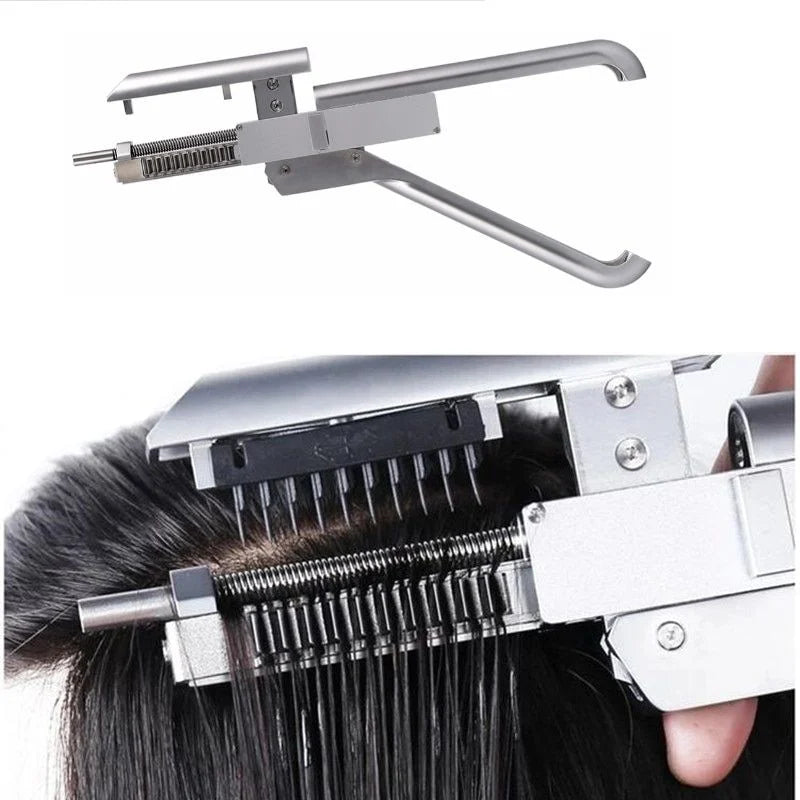
Close-up of 6D hair extensions showcasing the application technique and fine micro bonds seamlessly integrated into natural hair, emphasizing a natural look and feel.
6D Hair Extensions: Pros and Cons
The 6D system promotes faster application by attaching multiple strands at once, which can be appealing in a salon setting. Proponents suggest a full head—often described as 100 to 200 pieces—can be installed quickly, streamlining time in the chair. In practice, when the stylist pays attention to detail, the process typically takes much longer due to reloading the tool, aligning sections, and troubleshooting areas where there isn’t enough space or density to accommodate pre-grouped bonds. The main benefit is speed for the stylist, but speed alone does not guarantee better outcomes for the client. The cost of hair itself is comparable to other methods, yet longevity may be shorter if the sections are not perfectly matched to the client’s density and growth patterns.
From an expert’s perspective, a custom strand-by-strand approach lets us adapt to whorls, cowlicks, and variable density zones that the tool’s uniform pattern may overlook. When we create sections ourselves, we can widen or narrow them, shift weight off sensitive areas, and map the scalp so that bonds remain discreet, comfortable, and well-distributed. If the 6D device is used without these stylist-led adjustments, common consequences include excessive tension on weak points, premature slippage, and bonds that are visible because they were placed where the hair could not truly support them. That is why a knowledgeable installer is essential, regardless of method.
Maintenance Tips for 6D Hair Extensions
To maintain appearance and comfort, book routine salon maintenance every 6–8 weeks. These visits allow your stylist to check bond security, assess hair health, and make timely adjustments so shedding or shifting doesn’t compromise wear. Limiting high heat and avoiding harsh products will further protect the attachments.
Expert Insights on Hair Extensions Application and Risks
Proper extension application starts with a thorough consultation and a scalp map. An expert examines density variations, hairline patterns, and areas where the hair naturally parts or flips. With 6D hair extensions, the temptation is to follow the device’s spacing, but the safest approach is to adapt the pattern to the client rather than forcing the client’s hair to match the device. A stylist will test tension as each bond is secured, ensuring that the section size is adequate to support the extension and that the bond sits cleanly without neighboring strands crossing into it.
What happens when installation is rushed or performed by an inexperienced person? Bonds may overlap, trap loose strands, or sit too close to the scalp. These mistakes can create persistent pulling, tangling at the base, and discomfort during daily wear. Over time, that stress may cause breakage around the bonds and accelerated slippage as shed hairs collect. Proper spacing, even weight distribution, and accurate section sizes are crucial to long-term wear and the health of your natural hair. An expert understands that less can be more: adding fewer, well-placed bonds often leads to a longer-lasting, more natural outcome than adding too many in a uniform pattern the hair cannot support.
Advice on 6D Hair Extensions vs. a Custom Application
If individual strand extensions are what you want, a custom application will typically serve you best. Avoid unlicensed or inexperienced installers; instead, choose a professional stylist who has completed many successful applications across different methods and hair types. A bargain installation can become expensive if bonds fail prematurely or cause damage that requires corrective work. Skillful placement, matched section sizes, and careful tension control reduce risk and enhance wear time.
Ideal Candidates for 6D Hair Extensions
6D hair extensions may suit clients with fine to medium hair who prefer lightweight attachments and a subtle, blended finish. Because the method groups multiple tiny strands, the bonds can feel delicate and comfortable when applied to hair that can support them. Healthy hair that can handle regular maintenance and gentle daily styling often sees the best results. Those seeking a soft, natural finish will appreciate the seamless blend possible with high-quality remy human hair.
Consider a hypothetical scenario: you have fine hair that tends to lay flat, and your schedule allows for routine maintenance but not lengthy daily styling. A carefully planned 6D application could add fullness through the mid-lengths while keeping the top lightweight and smooth. Your stylist would avoid areas where your hair is sparse, focus placement where your density can support bonds, and design the pattern to lift the overall shape without overloading the hairline. In this case, 6D could be strategically effective—provided the sections are customized by an expert rather than applied in rigid rows.
6D Hair Extensions and Quick Application
Many people are drawn to 6D extensions for the promise of faster installation and convenience. With proper care, the style can look fresh for months. That said, individuals with a history of scalp sensitivity, compromised hair, or active shedding concerns should have a detailed consultation before committing. A stylist can determine whether slight modifications—or a different method altogether—will create a safer, longer-lasting result. When your installer builds a plan around your unique hair, you gain both beauty and function without unnecessary risk.
Other Types of Hair Extensions: Alternatives to Consider
Today’s market offers a variety of application methods that may be better aligned with your hair and lifestyle. You may gravitate toward hand-tied wefts for a lightweight, flexible feel, a pull-thru approach for easy maintenance, or a tape-in technique for swift installation and a flat profile. The summaries below outline how each compares to 6D so you can choose confidently.
- Hand-tied wefts: Sewn into a braid for a seamless, customizable finish with light movement. Trade-offs: longer installs and upkeep; braids can stress very fine hair. Versus 6D: slower but highly adaptable.
- Tape-ins: Adhesive strips install quickly and lie flat. Trade-offs: adhesive degrades and needs routine re-taping; misalignment can cause pulling. Versus 6D: may feel heavier; 6D bonds are smaller but require precision.
- Clip-ins: Temporary volume/length for occasions; easy on/off. Trade-offs: not for long-term wear; possible slipping or tangling. Versus 6D: faster to switch looks, less seamless and durable.
- Keratin bonds: Strand-by-strand with keratin for months of durable wear. Trade-offs: slower installs, professional removal, root visibility if misapplied. Versus 6D: more control per bond, less speed.
- Pull-thru: Strands are pulled through tiny loops, which can reduce tension. Trade-offs: needs careful upkeep to prevent tangles. Versus 6D: may strain fine hair less, but still requires expertise.
Free Consultations at Noelle Salon
After identifying a skilled salon, request a complimentary consultation to evaluate your hair, discuss your styling routine, and compare multiple application methods. Ask to see the actual hair that will be used—color, texture, and length—so you can visualize the blend. A reputable stylist will also explain maintenance expectations, the products that support longevity, and what to watch for between appointments.
It is helpful to view how extensions lay in real hair, either on a mannequin head or on a client model with a similar hair type. This demonstration clarifies how the bonds will feel, how the hair will move, and how the finished style will look under everyday conditions. Clarity upfront leads to better outcomes and a smoother maintenance experience.
Common Concerns and Practical Solutions
Common questions about 6D hair extensions focus on slippage, bond visibility, and daily comfort. Slippage often stems from improper section sizes or trapped shed hairs; the solution is precise placement and regular, gentle detangling near the base. Visibility can occur when bonds are installed where density is too low, so a stylist should avoid fragile areas and prioritize coverage where your hair can truly support bonds. For comfort, the rule is balance—correct spacing and even weight distribution create a feel that is light, secure, and easy to wear.
Conclusion: Are 6D Hair Extensions the Right Choice?
6D hair extensions can offer speed and convenience, but they are not a one-size-fits-all solution. Long-term results depend on proper sectioning, weight distribution, and customization based on your hair’s natural density and growth patterns. In many cases, a fully customized application provides better comfort, longevity, and overall hair health than pre-set systems.
For hair extensions Boston clients trust, choosing the right method is less about trends and more about expert evaluation and personalized design. Book a free hair extensions consultation to assess your hair, compare methods, and determine whether 6D extensions—or a more customized alternative—will give you the safest, most natural-looking result.


