

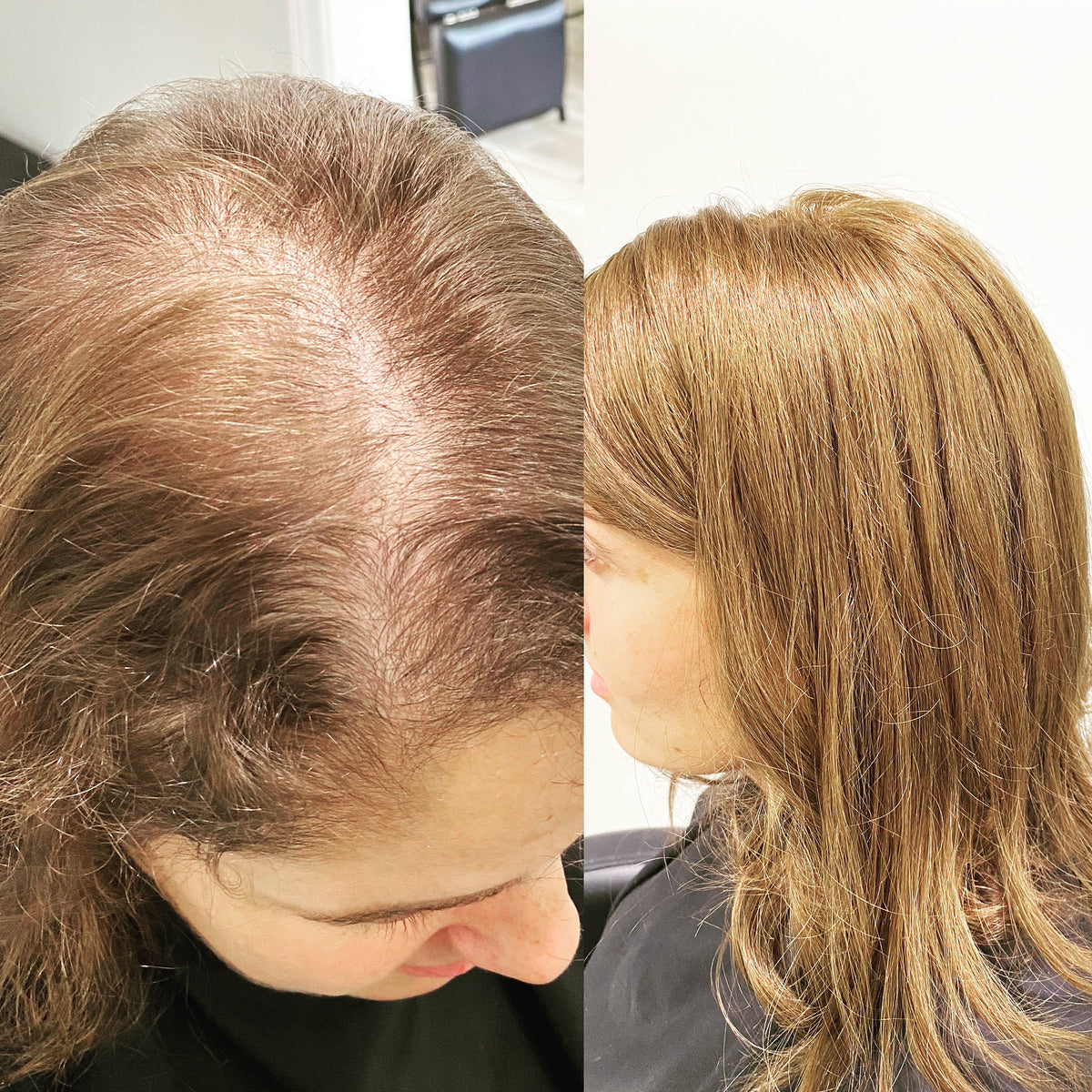


Scalp Facials: The Overlooked Key to Healthier Hair
We pamper our faces with cleansing, exfoliation, and massage—yet the scalp, which is literally the foundation of every strand, often gets left out of the conversation. Have you ever considered how much your scalp health affects your hair? A facial boosts circulation and encourages a clearer, more resilient complexion; a scalp facial does the same for the skin beneath your hair, helping it function at its best. Prioritizing scalp care is especially important if you’re dealing with dermatitis, ongoing hair loss, itchy buildup, or seasonal dryness in colder months. When the scalp is balanced, nourished, and clean, hair is more likely to look fuller, feel stronger, and grow as healthily as it can.
More spas are adding scalp facials to their menus, a service we have offered to clients for years at a hair salon Boston clients trust. Our approach focuses on thorough cleansing, light exfoliation, and a calming, blood-circulating massage—supportive steps for anyone noticing shedding, wearing a hairpiece or topper, or navigating chronic scalp concerns. We often treat the scalp between topper applications with a cholesterol cream massage to lift dead skin, nourishing hair oils infused with gentle steam, and a careful cleanse to remove residue. A healthy scalp leads to healthier-looking hair; it really is that straightforward.
Many people experiencing hair loss shy away from brushing or touching the scalp for fear of worsening shedding, but avoiding gentle stimulation is counterproductive. If hair is already shedding, it will continue without intervention. Introducing balanced cleansing and mindful massage can help encourage circulation around follicles, which may support hair growth and wake up follicles that are underperforming. As long as follicles are alive (still producing hair), there is potential to support their function.
Not everyone can book a professional scalp spa appointment, but you can adapt parts of the routine at home—or ask a friend to help. One note of caution: while handheld scalp massagers can feel satisfying, they may be too aggressive on fragile hair and sensitive follicles. Your hands, combined with patience and light pressure, are often the best tools for an at-home scalp treatment.
Why scalp facials matter for scalp health and hair growth
Scalp facials work by dissolving oil buildup, lifting flakes and dead skin, and rebalancing the scalp’s surface so follicles aren’t suffocated by debris. A clean, nourished scalp makes it easier for natural oils to distribute, for treatments to absorb, and for follicles to do their job of producing hair. This step is often overlooked because scalp skin is hidden by hair, making issues less obvious until irritation, flakes, or excessive shedding show up. By then, many people focus only on hair products and miss the root cause—literally—the condition of the scalp. Regular scalp care complements your shampoo-and-conditioner routine and can be the missing link between lackluster strands and hair that looks fuller, shinier, and more resilient.
Key terms you may hear in scalp and hair discussions
- Dermatitis: An inflammation of the skin that can cause redness, itchiness, and flaking. On the scalp, dermatitis often shows up as persistent itch, irritation, and visible flakes.
- Alopecia: An umbrella term for hair loss. Types include alopecia areata (patchy hair loss driven by the immune system) as well as other patterns of thinning or shedding.
- Trichotillomania: A hair-pulling disorder characterized by recurrent, irresistible urges to pull out hair from the scalp or other areas, leading to noticeable thinning or bald patches.
At-home scalp treatment you can start today
Below are two complementary routines you can customize to your scalp type. The numbered steps with bullet points make it easy to scan, follow along, and adjust frequency based on how your scalp responds.
-
Step 1: Deep moisture for dry scalp and dandruff
- On dry hair, apply the “Old Faithful” Cholesterol cream by Queen Helene. It is an ultra-rich moisturizer that helps soften buildup while cushioning the scalp.
Reflection: How does beginning on dry hair change the way you think about treating your scalp? - Work in small subsections from the top of the head to the crown and down to the nape so you can cover the entire scalp evenly without tugging at strands.
Reflection: Does sectioning make the process feel more manageable and thorough? - Separate about an inch of hair at a time and gently massage the cream into the scalp using circular motions with your fingertips. Keep pressure light and consistent.
Reflection: What do you notice when you slow down and use lighter pressure? - Allow the cream’s fatty acids to absorb. If your scalp is extremely dry, you can leave it on longer—some people even sleep with it before rinsing in the morning.
Reflection: Does extra time on the scalp make it feel calmer or more comfortable? - Alternatively, leave the cream on for up to 30 minutes, put on a cap, and gently warm with a blow-dryer before rinsing thoroughly. Hair may feel very conditioned at first; this soft, coated feel usually diminishes with subsequent washes.
Reflection: After rinsing, does your scalp feel more supple and less tight? - This step works especially well on natural hair and for anyone who struggles with stubborn dryness or flakes.
Reflection: Which areas of your scalp seem to benefit the most from targeted hydration?
- On dry hair, apply the “Old Faithful” Cholesterol cream by Queen Helene. It is an ultra-rich moisturizer that helps soften buildup while cushioning the scalp.
-
Step 2: Next-level nourishment with essential oils and steam
- Wash your hair, then apply your preferred essential oil blend. You can create your own scalp treatment or purchase a pre-blended option online or at a local store. For those interested in supporting hair growth, many reach for rosemary oil diluted in a carrier oil.
Reflection: Which scents or textures help you relax and stick with your scalp routine?
Notes on essential oils: Essential oils are potent. Always patch test on the inside of your wrist before use. If you’re using prescription hair loss treatments or other medications, consult your treating physician before layering in essential oils.
Some of my favorite pre-blended essential oil options
- Dandruff and dry scalp: The Ordinary Serum is ideal for fine hair. It adds lightweight hydration with hyaluronic acid without weighing hair down.
- Curly or natural hair needing moisture: Carol's Daughter Goddess Strength includes castor and jojoba oils and is silicone-free—a fan favorite for added slip and scalp comfort.
- Itchy, sensitive scalp with psoriasis: “Nature’s Nuances” (roll-on format) helps streamline application and is formulated with soothing ingredients such as organic tea tree, argan, cedarwood, and rosemary oil.
- Hair loss support: Hair Loss Alopecia Essential Oil Roll On, created by a nurse who specializes in hair loss, offers a careful balance of lavender, rosemary, ancient herbs, and carrier oils.
- Wash your hair, then apply your preferred essential oil blend. You can create your own scalp treatment or purchase a pre-blended option online or at a local store. For those interested in supporting hair growth, many reach for rosemary oil diluted in a carrier oil.
- Massage the oils into the scalp in subsections using slow, circular motions to coat the skin evenly without tugging. Focus on areas that feel tight, itchy, or tender.
Reflection: After a few minutes of massage, does your scalp feel warmer or more awake? - Add steam to help oils penetrate. You can do this at home with a handheld steamer purchased at Walmart. Dim the lights and light a favorite candle to create a spa-like mood.
Reflection: Does the warmth from steam make the scalp feel more open and receptive? - Steam for up to 30 minutes so oils can melt into the scalp and travel down the hair shaft for added shine and softness.
Reflection: After steaming, do your roots feel lighter and your lengths smoother? - Rinse with a gentle, sulfate-free shampoo. Skip conditioner immediately at the roots so the scalp can rebalance. Air-dry or blow-dry on low, and avoid hot tools for a few days to give your scalp treatment time to shine.
Reflection: Over the next couple of washes, do you notice less itch, fewer flakes, or a fresher scalp feel?
Extra DIY scalp treatment ideas to personalize your routine
- Pre-cleanse with a lightweight oil: A few drops of a gentle carrier oil (such as jojoba or sweet almond) massaged before shampoo can help loosen stubborn buildup without stripping.
- Gentle physical exfoliation: Mix a pinch of sugar with a dab of conditioner and softly massage the scalp, avoiding aggressive scrubbing. Rinse thoroughly to remove granules.
- Soothing rinse: After shampooing, use a mild, diluted rinse designed for scalp comfort. Keep ratios gentle and discontinue if irritation occurs.
- Aloe vera calm: Apply a small amount of pure aloe vera gel to itchy spots for a cooling feel. Rinse after several minutes and follow with your usual routine.
- Warm towel wrap: After applying oils, wrap a warm, damp towel around your head for a few minutes to encourage absorption when you don’t have a steamer.
- Mindful brushing: Use a soft-bristle brush on dry hair with light pressure to help distribute natural oils from the scalp down the hair shaft.
- Low-friction habits: Opt for loose styles and satin or silk accessories to reduce mechanical stress on fragile hair and sensitive scalps.
A little consistent effort can make a big difference in your overall scalp health. Some clients complement at-home care with professional options like PRP (platelet-rich plasma), exosomes, or specialized scalp prostheses (hair systems) for cosmetic coverage and confidence while working toward their hair goals..
Conclusion: make scalp care a habit
When scalp care becomes part of your regular routine, hair often responds with more shine, better volume, and a fresher look from root to tip. Scalp facials—whether in a spa or at home—clear buildup, replenish moisture, and encourage circulation around follicles, supporting the conditions that favor healthy hair growth.
Try the steps above, customize them for your scalp’s needs, and give your routine time to work. Your scalp is skin, and when it’s cared for with the same attention as your face, your hair can reflect that health with strength, softness, and vitality.
At a hair salon Boston clients trust, we take this a step further with customized, hands-on care designed to deeply cleanse, stimulate, and restore balance.
If you’re ready to elevate your routine and see real results, it’s time to book a pro scalp massage and experience the difference expert care can make.


