

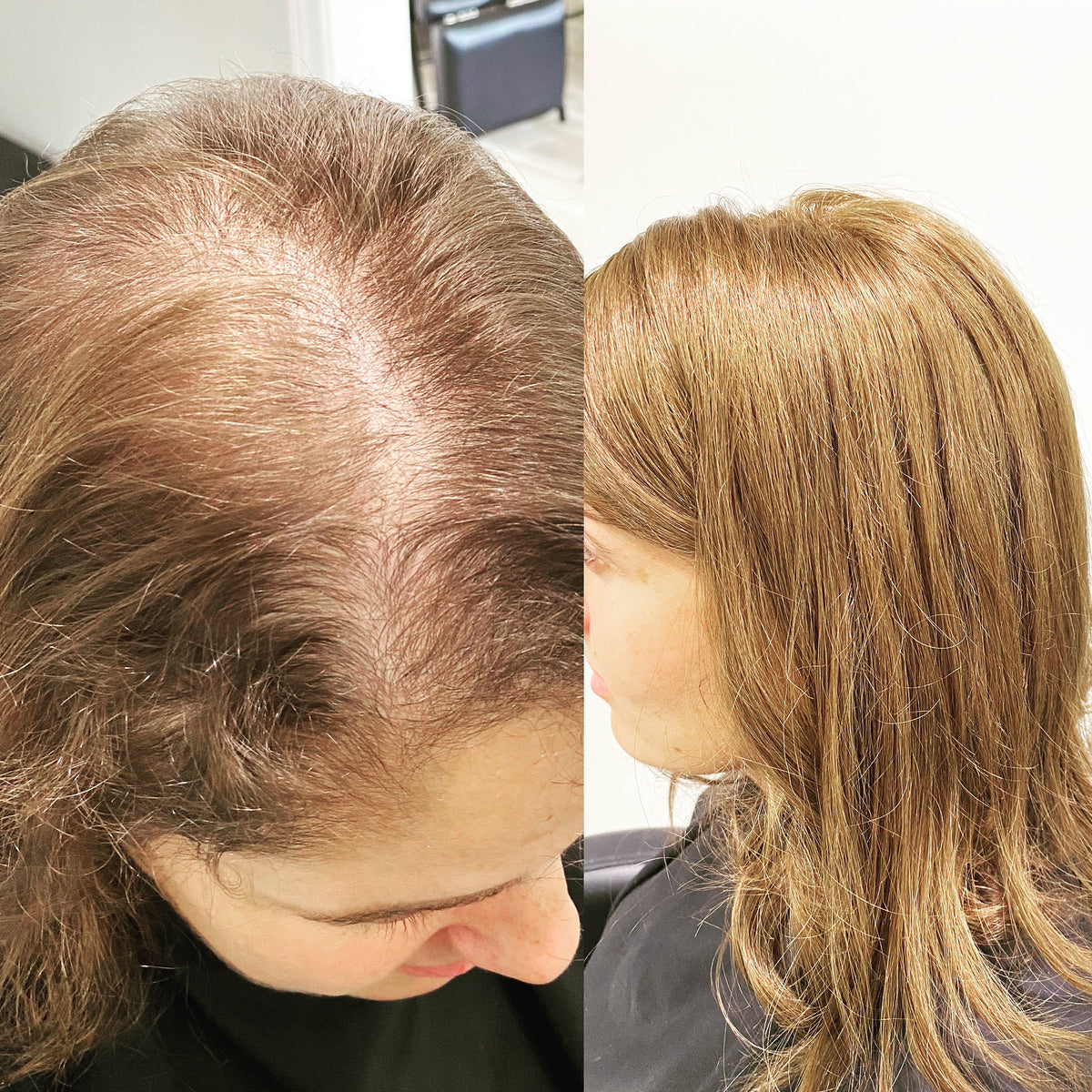


Boost Your Look: How to Add Volume to Hair Extensions
Want sky-high lift and lush body from your hair extensions in Boston? The secret starts long before styling products or hot tools. A strategic haircut is the foundation of long-lasting volume because the right shape supports movement, bounce, and lift without sacrificing the integrity of your extensions. When layers are planned and cut properly, they stack and elevate, creating a balanced silhouette that looks full from roots to ends. Choose a structure that complements your face shape and natural hair density, and you’ll notice that everyday styling suddenly becomes easier, faster, and far more effective.
It’s no surprise that voluminous blowouts rule Instagram and TikTok—those big, glossy waves and airy bends catch the light and make hair look luxurious. What you may not see in short clips is the careful preparation behind the scenes: thoughtful layering, controlled over-direction, and precise finishing. This article walks you through how to add volume to hair extensions with salon-informed techniques you can adapt at home, plus pro tips for maintaining fullness while protecting your investment.
To build believable volume, start by shaping your natural hair—the top, crown, and sides that remain outside the extensions. This first step sets the “guide” for all subsequent layers. Once the outline is established, we layer your hair extensions, using a feather razor or a light shear slide technique. Over-direction is key: we gently pull sections away from their natural fall and then skim just the ends with the razor. The motion is delicate, controlled, and focused on the surface so the layers taper gracefully without removing too much weight. After the top structure is dialed in, we blend through the lower lengths, touching the ends only and melting the layers into the natural weight line at the very bottom. Carelessness here can collapse volume—one heavy chop into the weight line can make the perimeter thin and stringy, which is exactly what you don’t want.
Over-Directed Hair Layers With Razor

Extensions are crafted hair and do not react like freshly grown strands. That means traditional layering with blunt cutting shears can remove too much bulk too quickly and encourage frizz on the ends. Think of layering extensions as “sculpting,” not “chopping.” It’s better to cut less than you think, re-evaluate, and then add incremental refinement. Measure twice, cut once, and repeat that patient rhythm as you work. This approach prevents accidental gaps and preserves a plush, full perimeter.
Why the Right Haircut Creates Amplified Volume
Layering distributes weight, encourages lift around the crown, and lets curls or blowout bends sit naturally without collapsing. With extensions, your goal is to harmonize your natural hair with the added length and density so the entire head moves as one. Thoughtful layers accomplish three things: they keep the perimeter resilient, build airy movement through the mid-lengths, and make root-lifting techniques far more effective. When the cut supports your style, even simple blow-drying can create volume that lasts for days.
Key Tools and Terms You’ll Hear in the Salon
- Feather razor: A precision razor with a guarded blade designed to softly skim the surface of hair. Used correctly, it tapers ends and adds movement without harsh lines, making it ideal for refining the finish on extensions.
- Shear slide technique: A method of sliding the scissors gently along the surface of a section, closing slightly as they move. This produces a subtle debulking and a whisper-soft texture rather than a blunt cut.
- Over-direction: Pulling hair away from its natural fall before cutting. This builds purposeful length and lift into specific areas so the finished style has volume where you want it.
Defining these terms builds confidence, especially if you plan to discuss your goals with a stylist. When you understand what a feather razor or a shear slide does, you can better evaluate results and communicate the kind of volume and texture you envision.
Layering Techniques for Hair Extensions (Without Over-Cutting)
Begin with dry, detangled hair so you can see the true fall and density. Create a clean guide on the natural hair around the crown and sides, then approach the extensions using the feather razor. Work in small, controlled sections and over-direct each one slightly to where you want extra lift. Skim only the outermost fibers to encourage movement while protecting the fullness. Focus on the mid-lengths for softness, reserving minimal skimming at the ends so the weight line remains steady.
Unlike traditional haircuts, avoid repetitive passes with cutting shears straight across the extensions. That can lead to blunt shelves or, worse, thin out the length unevenly. Instead, alternate subtle razor skims with an occasional light shear slide if you need to relax bulk in a specific spot. Stop often to shake the hair out and assess symmetry; you can always refine more, but you cannot put weight back once it’s removed.
Common Mistakes That Flatten Volume
- Cutting into the weight line: This thins the perimeter and undermines fullness. Always maintain a plush base.
- Using aggressive, blunt shears on the ends: This invites frizz and makes extensions appear choppy.
- Rushing through sections: Extensions benefit from micro-adjustments. Small refinements produce a luxurious finish.
- Skipping the natural hair guide: Without it, blending is guesswork and volume placement becomes inconsistent.
Styling: Build Volume With Smart Prep and Airy Technique
Old-school blowout wisdom pairs beautifully with modern hair extension styling. The game plan: prep with a weightless, alcohol-free volumizer; choose the right brushes; lift from the root; and cool each section before releasing it. This process creates memory, so your style holds longer without feeling stiff.
Start by applying a leave-in volumizing foam or spray that’s alcohol-free and designed to add lift without crunch. These formulas coat the hair lightly, expanding at the root and along the mid-lengths to support that coveted “bouncy” finish. Choose a product that won’t leave tackiness behind and won’t dull your extensions; the best versions feel soft, brushable, and clean.
Use multiple round brush sizes to target different zones. A medium brush is excellent for the crown and face frame, while a larger barrel gives smooth lift through the mid-lengths. A metal or ion barrel can speed drying and provide gentle glide, but be mindful of heat on the extension bonds or attachment points. As you blow-dry, let each section cool fully on the brush to lock in the shape. Blow-dry tools with oversized, fixed barrels may polish hair too flat, so switch to a classic round brush when you need additional lift at the roots.
Concentrate on the roots first. Drying them completely prevents mid-day collapse. Over-direct the brush—pull sections up and away from where they naturally fall—to build instant root elevation. Avoid flipping your hair extensions upside down during drying; this can tangle the hair and stress the attachments.
Once hair is thoroughly dry, mist with a flexible hold spray and create curls with a curling iron. Work in neat sections so you can control lift and symmetry. After each curl cools to the touch, wind it into a barrel shape and clip it at the base. Using pin curl clips prevents dents while the curl sets. When all sections are pinned, add a light veil of medium-hold spray to reinforce shape without stiffness.
Barrel Curl Roller Set

Rollers for Extra Lift
If you love roller sets, choose a medium-to-large size Velcro roller for volume at the top. Purple sizes often hit the sweet spot for adding height without making the curl too tight. Place rollers on the crown and front hairline, rolling away from the face to open and lift. Leave them in while you do makeup, answer emails, or prep for your day—the longer the set, the more memory your hair will keep.
Finishing Touches That Maximize Bounce
After your hair has cooled, unclip each curl and let it fall. Use your hands first—fingers are excellent for separating and shaping without breaking up the body. If you want more drama, gently tease the crown in small sections, then smooth the surface. Seal with a strong-hold finishing spray at the end to lock in volume, focusing on areas that typically fall flat, like the back of the crown or around the part line.
Engagement Check-In
Have you ever tried using different brushes for styling—one size for the roots and another for the mid-lengths and ends? Swapping tools mid-blowout can transform your results because each brush size guides the hair differently and controls how much lift you build at the base.
You’ll walk away with a full-bodied style that carries you through a special event and often holds for the next day or two with minimal touch-ups. To refresh, flip the head upright, lift sections at the roots with your fingers, and mist a light working spray before re-curling only a few pieces around the face.
Blowout Blueprint for Extension-Friendly Volume
- Prep: Apply a light volumizer to damp hair, focusing on roots and mid-lengths. Comb through for even distribution.
- Root-first drying: Aim airflow at the scalp area and lift sections with a round brush to encourage height.
- Over-direction: Pull hair up and forward over a brush, then roll it back to plant maximum lift at the base.
- Cool to set: Let each section cool on the brush before releasing so the shape holds.
- Curl and clip: Wrap curls away from the face, then pin into barrel shapes until fully cool.
- Finish: Release, finger-comb, gently backcomb if needed, and mist with a flexible hold spray.
Maintaining Volume Day to Day
Sleep on a smooth pillowcase to reduce friction and preserve your blowout. In the morning, revive roots with a quick cold-blast from your dryer while lifting sections with your fingers. If ends look tired, re-curl only the outer layer and a few face-framing pieces; less heat equals more longevity for your extensions. Always keep the attachment area tangle-free and thoroughly dry after washing to maintain integrity and lift.
Quick Troubleshooting Guide
- Volume collapses at the crown: Increase over-direction when blow-drying and add a medium Velcro roller at the top while cooling.
- Ends look thin: Reassess layering and protect the weight line; add soft tapering only to the surface.
- Style won’t hold: Ensure hair is fully dry before setting and allow complete cool time. Switch to a brushable hold spray, then finish with a stronger hold at the end.
- Brush snags on attachments: Work in smaller sections and avoid dragging brushes across bonds or beads. Detangle with a soft paddle brush before round-brushing.
Bringing It All Together
Adding volume to hair extensions blends art and method. It starts with a smart haircut: structured layers on your natural hair create a blueprint, and careful feather razor work or a gentle shear slide sculpts movement into the extensions without sacrificing the weight line. Styling then amplifies the cut—root-focused blow-drying, over-direction, cooling on the brush, and a curl-and-clip set combine to deliver plush results that last. From there, finishing sprays and, when desired, Velcro rollers lock in lift while keeping touch soft and brushable.
Adding volume to hair extensions is a balance of the right cut, technique, and styling routine. If you want a fully customized, long-lasting result without the guesswork, you can book a free hair extension consultation to have your layers, volume, and styling plan tailored to your hair type and goals.


