



Trichotillomania Boston: Do NAC and NAD+ Help Reduce Hair Pulling?
If you’re searching for support for trichotillomania Boston, you’ve likely come across a wide range of solutions—from therapy to supplements to lifestyle changes. While I am not a doctor, I want to share insights directly from my clients who live with trichotillomania and have explored different options that may help reduce hair-pulling behaviors. Many have reported positive experiences with supplements like NAC and treatments involving NAD+, but it’s important to approach these options with proper medical guidance.
What Is NAC and Why Are People Using It?
N-Acetyl L-Cysteine (NAC) has been used since the 1960s in medical settings for conditions like overdoses, lung support, and detoxification. It plays a role in increasing glutathione levels, a powerful antioxidant that supports overall health and reduces inflammation. Under medical supervision, NAC has also been used to support individuals dealing with addiction, anxiety, depression, and OCD—conditions often connected to Body-Focused Repetitive Behaviors (BFRBs) like trichotillomania. Some clients have shared that NAC helps reduce the intensity of urges, making it easier to manage pulling behaviors.
What Research Says About NAC for Trichotillomania
There have been studies exploring NAC’s effectiveness for trichotillomania. In one study, participants taking 3000 mg per day experienced a 38.3% reduction in symptoms compared to 19.3% in the placebo group. While these results are promising, they also highlight the importance of proper dosing and supervision. Typical daily doses range from 600 mg to 1800 mg, and taking NAC without guidance can lead to side effects such as nausea or digestive issues.
What Is NAD+ and How Does It Work?
NAD+ (nicotinamide adenine dinucleotide) is a coenzyme derived from vitamin B3 and plays a critical role in energy production, brain function, and cellular repair. Often referred to as a “fountain of youth” compound, NAD levels naturally decline with age. Some clients have reported benefits from NAD+ therapy, particularly in areas like anxiety, mood regulation, and impulse control—factors that can influence hair-pulling behaviors. NAD+ can be administered through IV therapy or injections, with injections being a more practical and cost-effective option.
Natural Ways to Support NAD Levels
The body does produce NAD naturally, and there are ways to support its levels without medical intervention. Lifestyle habits such as interval training, a protein-rich diet including eggs, turkey, yogurt, cheese, and legumes, and overall metabolic health can contribute to maintaining NAD levels. While these methods may not replace clinical treatments, they can support overall well-being and potentially reduce stress-related triggers.
Important Considerations Before Trying Supplements
While both NAC and NAD+ show potential, they are not risk-free. High doses of NAC can cause side effects, and NAD+ treatments can be costly and vary in effectiveness. IV therapy centers are becoming more popular, but not all are medically supervised to the same standard. It’s essential to consult with a physician—preferably one specializing in functional or integrative medicine—before starting any new supplement or treatment. Reputable institutions like Mass General’s Center for OCD and Related Disorders (CORD) also provide specialized support for trichotillomania.
The Role of Hair Systems in Managing Trichotillomania
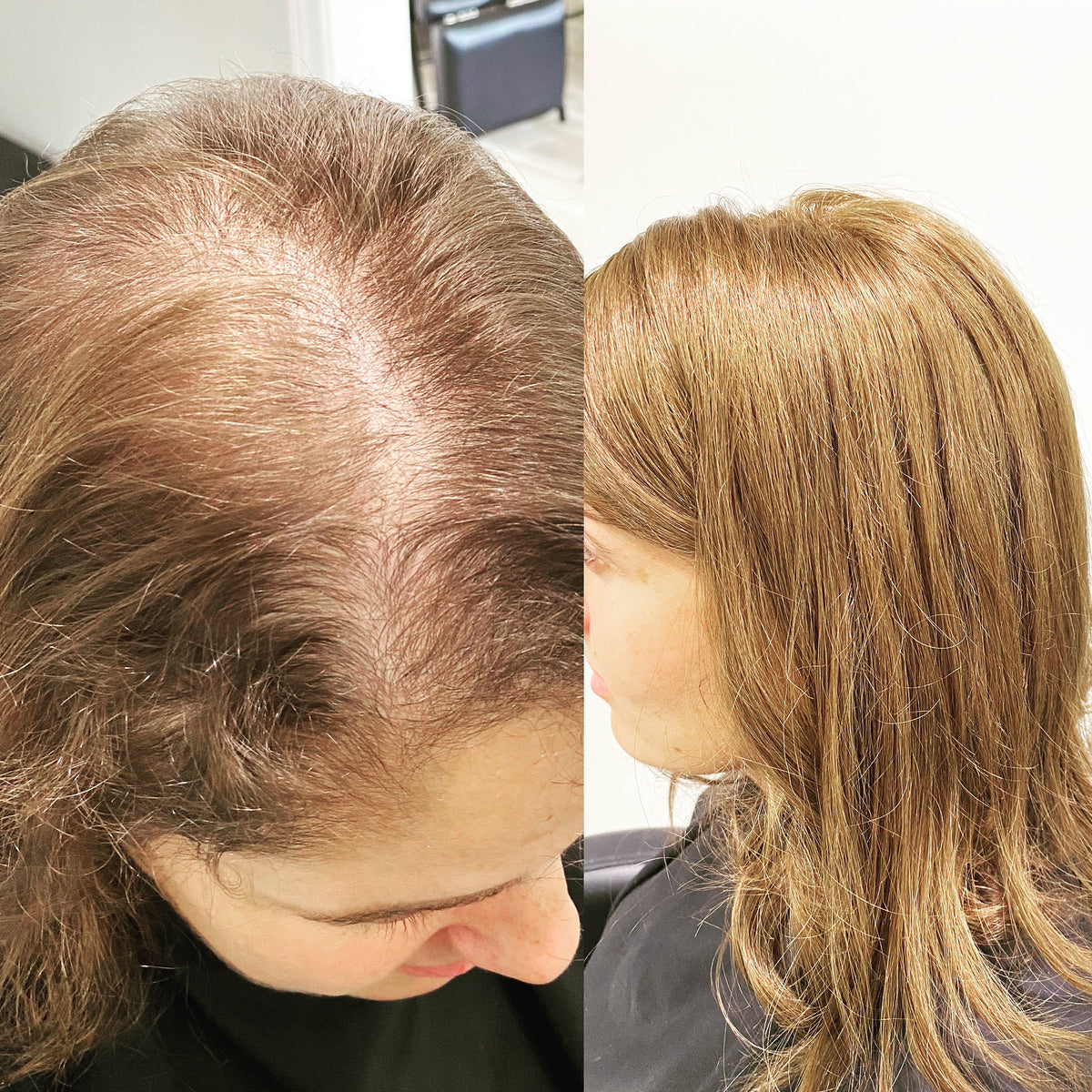
At Noelle Salon, we work with hundreds of clients experiencing trichotillomania, and one of the most effective tools we’ve seen is a properly fitted hair system. Our scalp prosthetics act as a physical barrier, helping reduce the urge to pull while allowing natural hair to grow underneath. These solutions are applied without shaving or damaging the hair and are designed to restore confidence while supporting behavioral progress. For many clients, combining emotional support, medical guidance, and a barrier system creates the best outcomes.
Conclusion
Managing trichotillomania often requires a combination of approaches, from understanding triggers to exploring medical and supportive solutions like NAC, NAD+, and barrier hair systems. While supplements may offer relief for some, they should always be approached with caution and professional guidance. At Noelle Salon, we are committed to supporting clients through every stage of their journey with safe, non-damaging solutions that restore both confidence and control. If you’re ready to explore options that can help you feel more like yourself again, book a free trichotillomania consultation and take the first step toward support, understanding, and healthier hair.


