

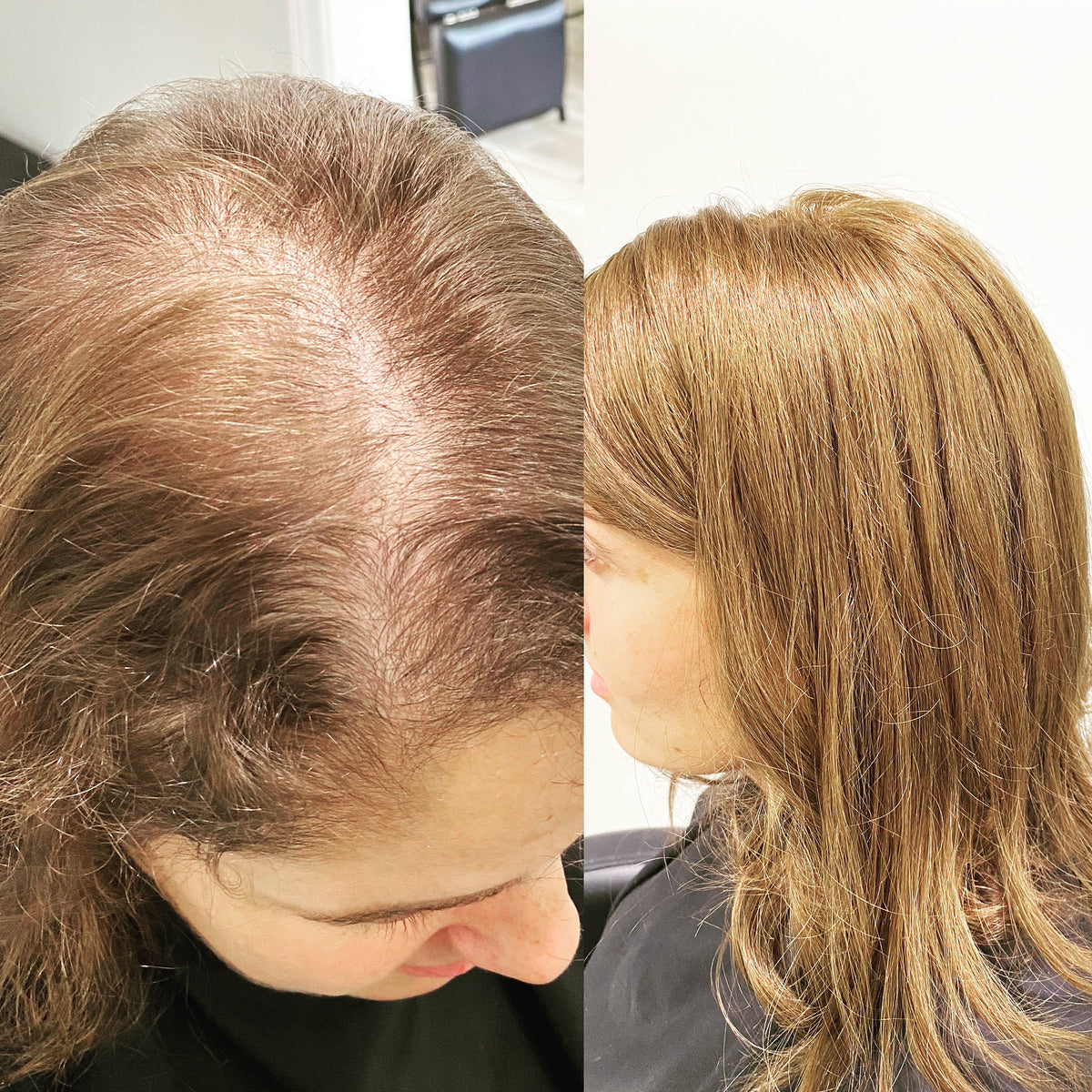


Elevate Your Look: Essential Tips for Choosing Luxury Hair Extensions for Thin Hair
Our luxurious hair extensions in Boston are celebrated for how seamlessly they blend with your natural hair, creating the kind of soft, undetectable finish that looks like you woke up with it. They refresh your style without revealing a thing, so your transformation feels private and personal. Unlike synthetic options, these premium pieces are crafted from 100% human hair, which means they move, shine, and behave like your own strands—even under different lighting and during heat styling.
If you’re dealing with slow growth, breakage, or naturally fine strands that won’t hold a style, luxury extensions can bridge the gap. They add believable volume and customizable length in a single appointment, helping you explore hairstyles you’ve always wanted. Have you considered how a little extra fullness might broaden your styling options and boost your confidence day to day?
The Difference Between Synthetic and Human Hair Extensions
When selecting extensions, it’s crucial to understand the difference between synthetic and human hair. Synthetic pieces are typically more budget-friendly and come pre-styled, but they often have a sheen that looks less like real hair. Many synthetic fibers don’t react well to heat, so curling irons and flat irons may cause damage or melting, and color services are usually not recommended.
Human hair extensions are considered the gold standard for realism and flexibility. Because they’re made from real human strands, they blend smoothly with your own hair for a truly natural finish. You can curl, wave, straighten, and even color-treat them similarly to your natural hair, allowing for varied looks—from professional polish to weekend waves—without sacrificing believability.
While human hair extensions require a larger upfront investment, that investment is often returned in overall wearability and longevity. The look remains more consistent across different environments and lighting, and the styling possibilities are far broader. If your goal is a seamless blend and comfortable daily wear, the superior realism of human hair makes the case for itself.

Preparing for Luxury Hair Extensions
Preparation is essential for a flawless blend and long wear. Start by evaluating hair and scalp health, choose a precise color match, and identify your texture so the extensions fall in harmony with your natural pattern. This groundwork improves comfort, longevity, and overall realism.
Consult a stylist who specializes in thin-hair applications and extension methods. They can assess your hair density, review your goals, and recommend the right types of extensions and placements. A thoughtful consultation also ensures your color, texture, and cut integrate seamlessly for a balanced, polished finish. Have you considered bringing inspiration photos so your stylist can understand the movement and finish you love?
Assessing Your Hair Health: Why It Matters
Your hair and scalp condition sets the foundation for success. Properly applied extensions should not cause damage; however, underlying issues—like active shedding, breakage, or scalp sensitivity—deserve attention first so you can wear extensions comfortably and confidently.
Simple hair health checklist before extensions:
- Check for excessive shedding, breakage, or tender areas on the scalp; if present, consult a dermatologist or trichologist first.
- Address scalp concerns like dryness, flaking, or inflammation; a calm, balanced scalp supports better retention.
- Review your hair-care routine with your stylist to minimize tension and heat exposure during and after installation.
- Discuss your hair growth cycle and goals; your stylist can suggest methods that respect regrowth and reduce strain.
- Clarify any recent chemical services (coloring, lightening, smoothing treatments) to select the safest application method.
Taking these preparatory steps helps your extensions last longer and look more natural. It also ensures that any sensitive areas are protected, so your experience remains comfortable from installation through maintenance. Think about your day-to-day habits: do you wear tight ponytails, use high heat, or sleep with wet hair? Small changes now can set you up for long-term success.
Choosing the Right Color and Texture
A natural-looking result depends on precise color and texture matching. Work with your stylist to find a shade that reflects your base and accents your existing highlights and lowlights. Matching the root, mid-length, and end tones often creates the most believable effect—especially important for thin hair where scalp and part lines can show.
Consider your undertone—warm, cool, or neutral—and share recent color history so the final match remains accurate. Noelle’s stylists recommend bringing photos of the color and finish you love for clarity. On texture, align your extensions with your natural pattern: select fine and straight if that’s your hair, or choose curl patterns that mirror your coils or waves for uniformity from root to tip.
Real-World Scenarios: How Luxury Extensions Elevate Thin Hair
Picture this: you have a last-minute event and want polished volume fast. You clip in a few lightweight human hair wefts at the crown and sides, softly curl the ends, and suddenly your blowout looks thicker and more dimensional—no salon visit required.
Or consider a busy month with back-to-back commitments. Tape-ins give you a reliable, wake-up-and-go finish that stays sleek through zoom calls and dinners out. You still heat style as usual, but the base feels fuller, and ponytails look plush without teasing. Have you imagined how much time you might save when your hair already looks styled before you even pick up a brush?
Another scenario: you love wearing your hair up, but thin areas near your part line make you self-conscious. A customized combination of micro-rings and specialty techniques can add delicate fullness exactly where you need it, making your updos feel relaxed and secure while keeping the look soft and natural.
Smart Styling Habits with Extensions
Keeping thin hair healthy while wearing extensions comes down to mindful habits that reduce tension and dryness. Use a soft, steady brushing motion, minimize backcombing, and keep elastics gentle. When heat styling, set a moderate temperature and avoid repeated passes on the same section. A little prevention protects both your extensions and your natural hair.
- Place ponytails and buns lower to reduce pressure on attachment points.
- Alternate part lines to distribute weight more evenly.
- Use light, non-greasy finishing products to avoid buildup near bonds.
- Schedule routine trims to maintain clean, blended ends.
Have you considered building a five-minute nightly routine—detangling, a touch of leave-in on the ends, and a soft braid—to set yourself up for easier mornings?
Professional Guidance: What to Discuss with Your Stylist
Open communication ensures your stylist can tailor the plan to your hair’s needs. Share your medical or scalp history, recent color services, and the styles you wear most. Bring reference photos that show lengths you love and the textures you prefer—sleek, bouncy, beachy, or curly. Your stylist can then select the ideal method, density, and placement to balance comfort and coverage.
- Clarify maintenance: how often you’ll need move-ups or checks and what at-home care looks like.
- Confirm product choices: heat protectants, shampoos, conditioners, and brushes compatible with your method.
- Plan for lifestyle: workouts, travel, or events that may affect wear and maintenance timing.
- Set expectations: what “natural” looks like on your hair and where strategic fullness will make the most impact.
This collaborative approach helps you achieve a result that feels personal, polished, and easy to maintain.
Conclusion: Choose the Right Luxury Hair Extensions for Thin Hair—and Care for Them Well
The right hair extensions can completely transform thin hair—adding natural-looking volume, length, and movement when the method, placement, and hair quality are carefully matched. Choosing a lightweight, customized approach is key to protecting delicate strands while achieving a seamless, realistic result.
If you’re ready to create fuller, more balanced hair, you can book a free hair extension consultation to get a personalized plan tailored to your hair type, density, and lifestyle.
Frequently Asked Questions
How Long Do Luxury Hair Extensions Last?
The wear time of Veila luxury hair extensions varies by method, hair quality, daily routine, and at-home care. Some clients enjoy their sets for months, while others prefer to refresh more frequently depending on styling habits. A stylist can review your goals and hair health to recommend the approach and schedule that will keep your extensions looking fresh.
Can Hair Extensions Cause Damage to Thin Hair?
When thoughtfully selected and professionally applied, extensions can be a supportive option for thin hair. Choosing lightweight methods and proper placement reduces tension, and diligent maintenance protects your natural strands. Our go-to approaches often include Genius weft sew-in extensions, micro keratin bond options, and specialized techniques like V-light or Combline hair extensions for delicate areas such as bangs—always customized to your needs.
How Often Should I Wash My Hair Extensions?
You should wash your hair extensions one to two times a week, adjusting for your hair type, exercise routine, and product use. Over-washing can strip beneficial oils, while under-washing can allow buildup. Treat your extensions like your natural hair: cleanse gently, condition mid-lengths and ends, and keep bonds or tapes clear of heavy products.
Are Hair Extensions Noticeable in Thin Hair?
When color-matched, textured, and installed by a professional, extensions can be virtually undetectable in thin hair. Low-profile methods like tape-ins and carefully placed micro-rings help keep everything flat and seamless, even in updos or half-up styles.
Where to Find High-Quality Luxury Hair Extensions?
For premium, natural-looking hair, consult the stylists at Noelle Salon. They can recommend methods, densities, and textures that align with your goals and hair health, working only with trusted, high-quality options. A personalized consultation ensures you receive a plan designed specifically for your hair.


