

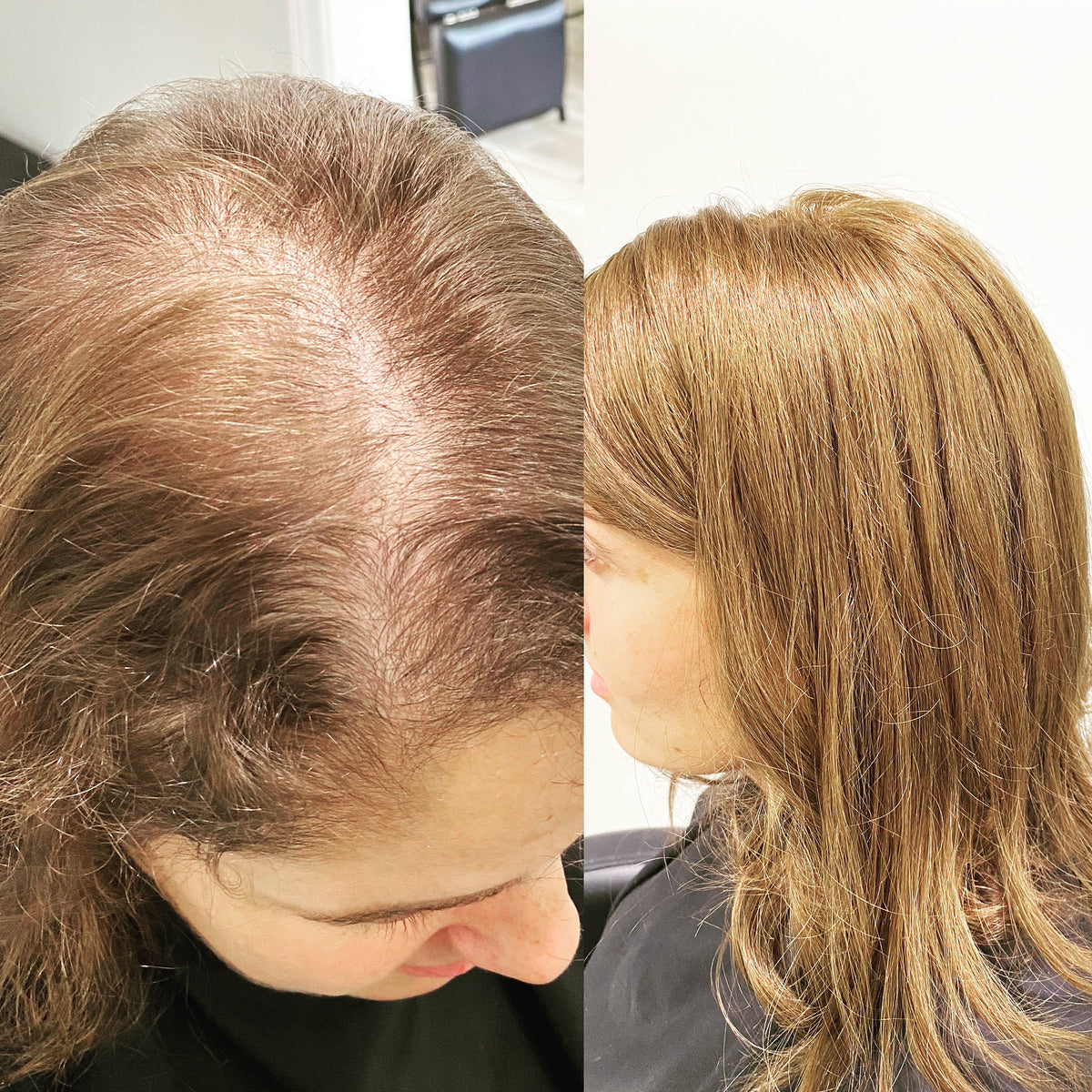


Hair Extension Quality in Boston: Everything You Need to Know
When it comes to hair extensions in Boston, quality is key to achieving your desired look. Ready to transform your look with fuller length, volume, and effortless styling? High-quality extensions refresh your style while supporting hair health with proper application and care. Have you ever been disappointed by extension quality, or worried they might damage your natural hair? In this guide, you’ll learn how quality impacts results, which hair extensions work best for different needs, and how to care for them for long-lasting wear. Inside, you’ll find types, quality cues, selection tips, and care must-dos to protect both your extensions and natural hair.

What are the best types of hair extensions in Boston for quality results?
The most reliable hair extensions in Boston are human extensions made from high-quality Remy hair. Quality Remy hair keeps the cuticle aligned in a single direction, helping extensions blend seamlessly with your natural hair for a believable finish. They can be heat styled and colored by a professional, and with proper care they maintain softness and shine, offering a long-lasting and natural-looking result that feels like your own hair. While synthetic fibers can be useful for occasional looks, human hair generally offers the most natural movement, heat-styling flexibility, and longevity. What matters more to you right now—heat-styling freedom or lower-cost, occasional wear?
Key Features to Consider
What to look out for in hair extensions quality?
Hair extension quality in Boston—and anywhere—should be evaluated carefully. Why do some extensions fall short? Often, it comes down to hair source, processing, and consistency between samples and final orders. Ask yourself: What features do you prioritize when selecting hair extensions—origin, thickness, or longevity?
Evaluating Hair Material
Hair material: Hair sold for extensions is commonly categorized into three qualities: cuticle-intact natural Remy, cuticle-machined Remy, and non-Remy. Natural Remy hair means the cuticle is intact and aligned. Machined Remy may have partially processed or rearranged cuticles, and non-Remy usually has flipped or stripped cuticles. Some suppliers blend natural Remy with machined Remy (or even non-human fibers) to cut costs, which can compromise performance and durability.
Hair Thickness and Length
Hair thickness: “Double drawn” typically means the bundle has a higher proportion of long strands for thickness from root to tip, while “single drawn” includes more natural tapering. Definitions vary across suppliers. Some provide thicker samples and deliver thinner production runs, so verify consistency. Virgin hair—collected from a single donor and minimally processed—tends to be more uniform and resilient.
Hair length: Inconsistent labeling can occur, such as selling 18-inch hair as 20 inches without trimming wispy ends. Thin or uneven tips alter the appearance and styling options, so confirm the true wearable length and whether the ends have been properly refined.
Short hairs: Excessive short hairs can create fuzziness and flyaways. As a rule of thumb, very short strands shouldn’t be more than half the length of the extension. Ask to see bundles spread out so you can inspect for consistency from top to bottom.
Processing technique: Over-bleaching, aggressive acid baths, or rapid processing can shorten lifespan and roughen the cuticle, leading to tangling. Quality processing preserves the cuticle, maintains elasticity, and protects color longevity.
Understanding Hair Extension Quality in Boston
Quality hair extensions come in several application methods, each with benefits for different hair textures and styling goals. What method might match your lifestyle—something ultra-discreet, highly durable, or quick to install and remove?
Types of Hair Extensions
Keratin bond hair extensions for a seamless, customized, quality finish
Keratin bond hair extensions are prized for their quality, natural look and strand-by-strand precision. A small, pre-formed keratin tip is fused to tiny sections of your hair using a heat tool designed for professional application. Because bonds are placed strategically, stylists can customize density around the face, crown, and nape for an ultra-blended result that moves naturally. With proper care, keratin bond hair extensions can last for months, and they come in a wide range of colors, textures, and lengths. If you prefer a nearly invisible attachment and flexible styling—ponytails, updos, and braids—keratin bonds are a strong contender. Would you value near-invisible bonds enough to spend a little longer in the chair?

Micro link sew-in hair extensions for durable, versatile quality
Microlink sew-in hair extensions deliver quality results by combining the security of small beads (or links) with the fullness of a weft. Your stylist places micro links along a track and sews the weft into place, blending it with your natural texture. Because the weft distributes weight across a larger area than single-bond methods, many people find this approach comfortable with excellent fullness. You can wash, blow out, curl, and flat iron microlink sew-ins much like your own hair—while following heat-protection best practices. With regular maintenance and careful home care, microlink sew-ins can last for several months. Do you prioritize maximum fullness, comfort, or fewer appointment visits between adjustments?
Other common hair extensions methods: tape-in and clip-in for quality results
Tape-in hair extensions use thin adhesive wefts that sit close to the scalp to deliver quality, natural-looking results. Clip-in extensions are ideal for temporary style changes—think event styling or one-day transformations—because they can be applied and removed at home. Both options add volume and length, but high-quality hair and careful maintenance determine how natural and long-lasting they’ll be. If you change your style frequently, would a temporary option like clip-ins suit your routine, or do you prefer a method that you can set and forget for weeks at a time?
Why choosing high-quality hair extensions matters
Quality hair extensions are about more than just appearance; they also impact the condition of your natural hair over time. It’s especially important to seek superior hair when working with curl patterns and textured hair, where a close match in coil size, density, and porosity helps the blend look believable and protect your strands. What outcome do you care about most: protecting hair health, maximizing longevity, or achieving the most natural blend?
The impact of hair extensions quality on hair health and curly textures
High-quality hair extensions minimize strain on your roots, reduce tangling, and resist matting, all of which help safeguard your natural hair from unnecessary breakage. When curl patterns are matched thoughtfully, extensions blend without forcing extra heat or daily manipulation. With proper care—regular, gentle cleansing; moisturizing conditioners; and minimal tension—quality extensions can support long-term hair health. Investing in premium virgin or Remy human hair helps keep your style glossy and manageable. At Noelle Salon, stylists stock their Veila Hair Extensions in multiple methods to create a full, luxurious look while prioritizing comfort and a natural finish. Their model emphasizes providing excellent quality at an accessible price point so clients can enjoy dependable wear without compromising on materials.
Longevity and cost-efficiency of hair extensions quality
High-quality hair extensions are designed to hold their color, maintain a smooth cuticle, and shed less over time. Less tangling makes maintenance predictable. With professional installation and timely maintenance appointments, you can extend the life of your hair extensions and avoid frequent replacements. While premium hair may cost more upfront, the total value is reflected in better daily wear, less frustration, and a refined look that lasts. Which matters more in your decision—initial investment or long-term reliability?
Definitions that clarify hair extensions quality
When comparing hair extensions, understanding key terms helps you evaluate quality more objectively. Which of these definitions were new to you, and how might they change what you look for?
- Remy hair: Human hair collected and preserved so that the cuticles remain aligned in the same direction. This alignment reduces friction between strands, minimizing tangling and helping hair stay silky after washing and styling.
- Cuticle intact: The outer protective layer of the hair shaft remains in place rather than being stripped. Intact cuticles enhance shine and reduce porosity, improving how hair resists frizz and retains moisture.
- Virgin hair: Human hair that has not been chemically processed (such as dyed or permed). Virgin hair is often sourced from one donor, offering consistent texture and color with excellent durability.
- Single drawn vs. double drawn: Single drawn hair includes more natural tapering from mid-length to ends. Double drawn hair contains a higher ratio of long strands, so the bundle remains thick closer to the tips for a fuller silhouette.
- Weft: A curtain-like row of hair fibers bound together at the top. Wefts are used for sew-in, microlink, and tape-in methods.
Practical checklist: how to identify high-quality hair extensions
Use this quick checklist when evaluating hair extensions quality in person or during a consultation. What steps are you already taking, and which will you add to your routine?
- Texture test: Run your fingers from root to tip. Quality hair should feel smooth without snagging and have a consistent texture that matches your own.
- Cuticle check: Lightly backcomb a small section; excessive roughness can indicate misaligned or stripped cuticles.
- Color consistency: Examine hair in natural light. Look for even tone and subtle dimension rather than dull, flat color.
- End fullness: Spread the bundle. Healthy, high-quality hair maintains a reasonable thickness to the ends without brittle, see-through tips.
- Shedding assessment: Gently comb a small section. Minimal fall-out suggests stronger wefts or bonds.
- Processing indicators: Over-processed hair may feel overly slick, dry, or have a chemical odor. Seek hair that feels balanced and resilient.
- Supplier transparency: Ask about origin, whether hair is virgin or Remy, and how it was processed. Clear answers often correlate with better quality control.
Expert tips for choosing the best quality hair extensions in Boston
When investing in extensions, prioritizing quality and a thoughtful consultation matters. Consider your lifestyle, styling habits, and long-term hair goals. What features matter most to you—low-maintenance wear, flexible styling, or the most invisible attachment?
How to match hair extensions color and texture for quality results
Start with a professional color match for your hair extensions under multiple lighting conditions—daylight, indoor ambient light, and salon lighting—for quality blending. Extensions often look different under warm and cool temperatures of light, so evaluating shades in context helps. Many stylists blend two or more tones to mirror the highs and lows present in natural hair. For texture, consider whether your hair is fine or coarse, straight, wavy, or curly. Selecting a close curl pattern reduces the need for heat tools and daily manipulation. Bringing a recent photo or a small sample of your hair can guide an accurate selection. Would your ideal result lean more toward perfectly polished or naturally undone?
What hair extensions length should you opt for to ensure quality and comfort?
Hair extensions length depends on your current cut, styling preferences, and the final, quality silhouette you want. For face-framing layers, slightly shorter pieces near the front help the blend. If your natural hair is shoulder-length and you want dramatic length, your stylist may recommend extra density around the perimeter to keep ends looking full. Test different lengths by draping wefts during your consultation to visualize movement and layering. How do you usually style—sleek, curled, or air-dried—and what length works best with that routine?
Personalized expert insights on hair extensions quality from typical salon scenarios
Clients often arrive with similar hair extensions goals—but quality nuances guide the best method. For example, someone with fine, straight hair who loves ponytails may gravitate toward keratin bonds because the individual attachments are easy to conceal even in high styles. By contrast, medium-to-thick hair seeking fullness might prefer microlink sew-ins for extra density. A busy professional who heat-styles most mornings may appreciate the quick styling of high-quality tape-ins, while someone who only wants volume for events could choose clip-ins for flexible, occasional wear. Which scenario sounds most like you, and how would you tailor the method to your day-to-day life?
Maintenance Tips for Longevity
Proper maintenance preserves both hair extension quality and your natural hair’s integrity. A consistent routine prevents tangling, safeguards bonds or wefts, and keeps your style looking polished. What steps are you currently taking to care for your hair extensions, and where could you fine-tune your routine for better results?
Washing and styling tips for hair extensions quality
Choose a gentle, sulfate-free shampoo and a hydrating conditioner to preserve the quality and moisture without stripping oils. Before washing, detangle by starting at the ends and working up to the roots with a wide-tooth comb or extension-friendly brush. When shampooing, focus on the scalp and let suds glide through mid-lengths and ends. Rinse thoroughly to prevent residue, then squeeze (not rub) excess water with a microfiber towel. Apply a lightweight leave-in conditioner and a heat protectant before blow-drying. For heat styling, use moderate temperatures and limit passes with irons to reduce wear on both your hair and the extensions. What part of your wash-day process could be gentler to extend longevity?
How to prevent damage and protect hair extensions quality
Handle attachments with care to protect quality. Avoid tugging directly on bonds, tapes, or sewn-in tracks. Sleep on a silk or satin pillowcase, and loosely braid or secure hair in a low ponytail to reduce friction. Limit products with drying alcohols, and avoid heavy oils at the root area near bonds or tapes. Schedule regular maintenance for timely adjustments and safe removal. If you exercise frequently, secure hair and cleanse sweat buildup more often to keep the scalp comfortable. Are there any daily habits—tight hairstyles, intense brushing, or heavy product use—you can modify to protect your extensions?
Detangling and nighttime care for hair extensions quality and fewer knots
Detangle in sections using a soft-bristle or loop brush designed for extensions to maintain quality. Hold the hair above the attachment point to lessen pulling. At night, a loose braid or wrap helps prevent friction and tiny knots. If you notice matting, address it promptly rather than waiting until wash day. How can you simplify your evening routine to minimize tangles by morning?
Salon maintenance and removal: protecting hair extensions quality and your natural hair
Keep regular check-ins so your stylist can assess attachments, trim ends, and refresh placement to support hair extensions quality. Professional removal is essential; never pull or cut out extensions yourself. With careful salon maintenance, extensions remain comfortable and your natural hair is protected from unnecessary stress. What timeline would help you stay consistent with upkeep—every few weeks, or tied to your regular color or cut appointments?
Can high-quality hair extensions be worn every day in Boston?
Yes, high-quality hair extensions, such as Remy human hair, are designed for daily wear when properly installed and maintained. They blend seamlessly for a natural look that withstands everyday styling, including blowouts and curling. To keep extensions fresh, build a simple routine: gentle cleansing, mindful heat use, protective nighttime habits, and periodic salon maintenance. For the most natural blend in color, texture, and length, consult an experienced extension specialist who can recommend the best method for your hair type, lifestyle, and desired finish. What does “everyday wearable” mean for you—fast styling, minimal visible attachments, or a consistently polished look from morning to evening?
Conclusion: hair extensions quality in Boston
When it comes to hair extensions, quality determines how natural they look, how comfortable they feel, and how well your natural hair is protected over time. Choosing the right hair, method, and placement makes the difference between extensions that simply add length and those that truly transform your overall look.
If you want help selecting high-quality hair extensions that match your hair type, lifestyle, and goals, you can book a free hair extension consultation to get a precise color match, expert placement, and a customized plan designed for long-lasting, natural results.


