

Silk Mesh Integration for Thinning Hair: A Complete Guide
Hair loss can be a frustrating and deeply personal experience, affecting confidence, appearance, and daily life. For those searching for solutions related to hair loss Boston, understanding the cause of thinning hair is the first step toward choosing the right approach.
Thinning can result from a range of factors, including genetics, hormonal changes, stress, and medical conditions. Women often experience female pattern hair loss, while men may notice gradual recession or thinning at the crown. Other conditions—such as trichotillomania or alopecia areata—can lead to more sudden or patchy hair loss, requiring a more customized solution.
Non-surgical options like silk mesh integration offer a natural-looking way to restore volume and coverage without damaging your existing hair. Designed to blend seamlessly with your own strands, these systems provide both immediate results and long-term comfort while you continue to support overall hair and scalp health.
In this guide, we’ll explore how silk mesh integration works, who it’s best suited for, and how it compares to other thinning hair solutions—so you can move forward with clarity and confidence.
Trichotillomania and Alopecia Areata
Trichotillomania and alopecia areata are two hair loss conditions that require specialized attention and support. Trichotillomania, often described as a hair-pulling disorder, involves repetitive pulling from the scalp, brows, or lashes, which can lead to visible thinning, broken hairs, and areas that are difficult to camouflage with styling alone. Seeking guidance from a professional familiar with this condition can help address triggers, build coping strategies, and coordinate a plan that protects new growth. If you’ve ever wondered whether a non-surgical option could help you feel more comfortable while addressing the behavioral aspect, a tailored silk mesh integration approach may fit into your broader care plan as a non-surgical hair restoration step.
Alopecia areata, by contrast, is an autoimmune condition in which the immune system mistakenly attacks hair follicles, leading to hair loss in smooth, circular patches. This can occur at any age and may follow an unpredictable course—sometimes stabilizing, sometimes recurring. Among alopecia treatment options, supportive, non-surgical hair restoration can restore a natural-looking silhouette while you and your clinician monitor the condition. Would a discreet, breathable solution that accommodates regrowth and respects scalp sensitivity make daily life easier while you navigate treatment choices?
The Psychological and Physical Impacts
Hair loss can carry profound psychological and physical effects, shaping how people show up at work, in social settings, and in their routines. Many report feeling self-conscious, anxious, or withdrawn, which can in turn limit hair styling choices or participation in activities that once felt effortless.
Beyond appearance, the practical side matters: daily styling can become time-consuming, products may no longer perform as they once did, and trying new cuts or colors might not give the coverage you expect. A solution that restores volume, protects fragile strands, and stays secure during movement can lighten both the emotional and logistical load.
What is a hair integration system and how does it work for non-surgical hair restoration?
A hair integration system is a non-surgical method that blends additional hair with your existing strands through a lightweight base—often a breathable mesh—so your natural hair and the integrated hair work together. Think of it as a customized scaffold that sits comfortably on the scalp, allowing your own hair to be gently pulled through or attached around the base to create seamless fullness. Would a discreet approach that moves like real hair—and treats your own strands as part of the final style—help you feel more like yourself again?
Unlike a traditional wig that fully covers the scalp, integration systems fill in where you need extra density while leaving as much of your natural hair visible as possible. This creates a realistic scalp impression, maintains airflow, and supports everyday styling without the weight or warmth many people associate with full coverage options. The result: natural-looking coverage in the areas where you need it, with a blend that aligns to your color, texture, and cut. If your goal is a fuller silhouette that cooperates with exercise, weather, and daily life, could integration be the balance between coverage and comfort you’ve been searching for?
Unveiling the Solution: Hair Integration Systems for Non-Surgical Hair Restoration
For those seeking a practical, day-to-day answer to visible thinning, hair integration systems—including the mesh integration hair system—have emerged as a leading non-surgical choice. These solutions add volume precisely where density is low, merging supplemental hair with your own to rebuild a thicker profile. One standout approach is the hair mesh integration system, which uses a hypoallergenic, super-breathable base attached securely to the head for a natural finish. If a method could deliver immediate fullness and remain comfortable for hours, would that ease your hesitation about trying something new?
The Concept of Hair Integration
Hair integration is built on personalization. After a thorough consultation, a base is customized to your scalp shape and sized for the areas where density is needed. Color, texture, and curl pattern are matched so the integrated hair mimics your own, making the transition line practically invisible. During maintenance sessions, the fit is checked, attachments are adjusted, and your natural hair is assessed to ensure everything remains healthy and well-balanced. Could a schedule of routine tune-ups give you the consistent results you want without a major lifestyle shift?
Why Hair Integration Over Other Methods?
Compared to traditional wigs or hair transplants, hair integration systems provide distinct advantages. Wigs can be effective for full coverage, but they are typically a temporary, on-and-off solution. Hair integration, by contrast, is semi-permanent, blending with your natural hair for an undetectable finish that lives with you day to day. We should maintain it every six weeks to tighten the mesh and keep the hair system in place, and the mesh integration system can last for quite a long time with proper care. Because integration avoids surgery, there’s no recovery downtime or procedural risk. You also maintain your regular hair growth cycle, so your routine can remain familiar. If instant volume with secure wear appeals to you, would a system that supports an active lifestyle help you feel more spontaneous again?


The Special Role of Silk Mesh in Hair Integration
Silk mesh is central to many advanced integration systems. The hypoallergenic base is soft against the skin, promotes airflow, and helps maintain a healthy environment for natural hair. Because the mesh is light and flexible, it conforms to head shape for comfort, while its refined finish helps the integrated hair move and part convincingly. If your scalp is sensitive or you value breathability, would a featherweight base that feels barely there make a difference in all-day wear?


Properties of Silk Mesh
Silk mesh integration systems offer a combination of comfort and realism. The hypoallergenic quality helps reduce irritation; the breathable weave disperses heat and moisture; and the refined finish supports natural-looking part lines and hair movement. Because the base is light, it’s comfortable for long wear, and its versatility supports a range of styles, from smooth blowouts to waves. If you could wear enhanced volume all day without heaviness or scalp strain, would you feel more open to wearing a system consistently?
Silk Mesh and Hair Growth Stimulation
A thoughtful silk mesh design respects the natural growth cycle by minimizing friction on existing strands and allowing low-tension attachment methods. When your stylist can access your hair for nourishing care during maintenance, your scalp and lengths can be supported over time. With a gentle, breathable base that avoids unnecessary stress, new growth has space to emerge while your style remains full and polished. Would a solution that looks complete now and stays friendly to future growth ease your long-term concerns?
Custom-Made Hair Integration Systems for Varied Hair Loss Patterns
Each individual's hair loss pattern is unique, which is why a one-size-fits-all approach can miss the mark. Some experience diffuse thinning across the crown; others notice clear recession at the hairline or isolated patches. A custom integration plan maps these zones and calibrates density and direction so your final look appears intentional and balanced. If a mirror could reflect the version of your hair you recognize—only fuller—how much relief would you feel each morning?
Adapting to Different Hair Loss Areas
Hair integration systems can be adapted for the top, part line, frontal hairline, or other zones where strands are sparse. During consultation, your stylist evaluates hair direction, scalp exposure, and anchoring points that keep tension low. The integration base is then shaped to your contours, with hair density placed strategically to rebuild symmetry. If only the top needs support, a topper design can keep sides and back fully natural while correcting the visible crown—would that selective approach feel like the right balance for you?

Illustrative Scenarios and Outcomes
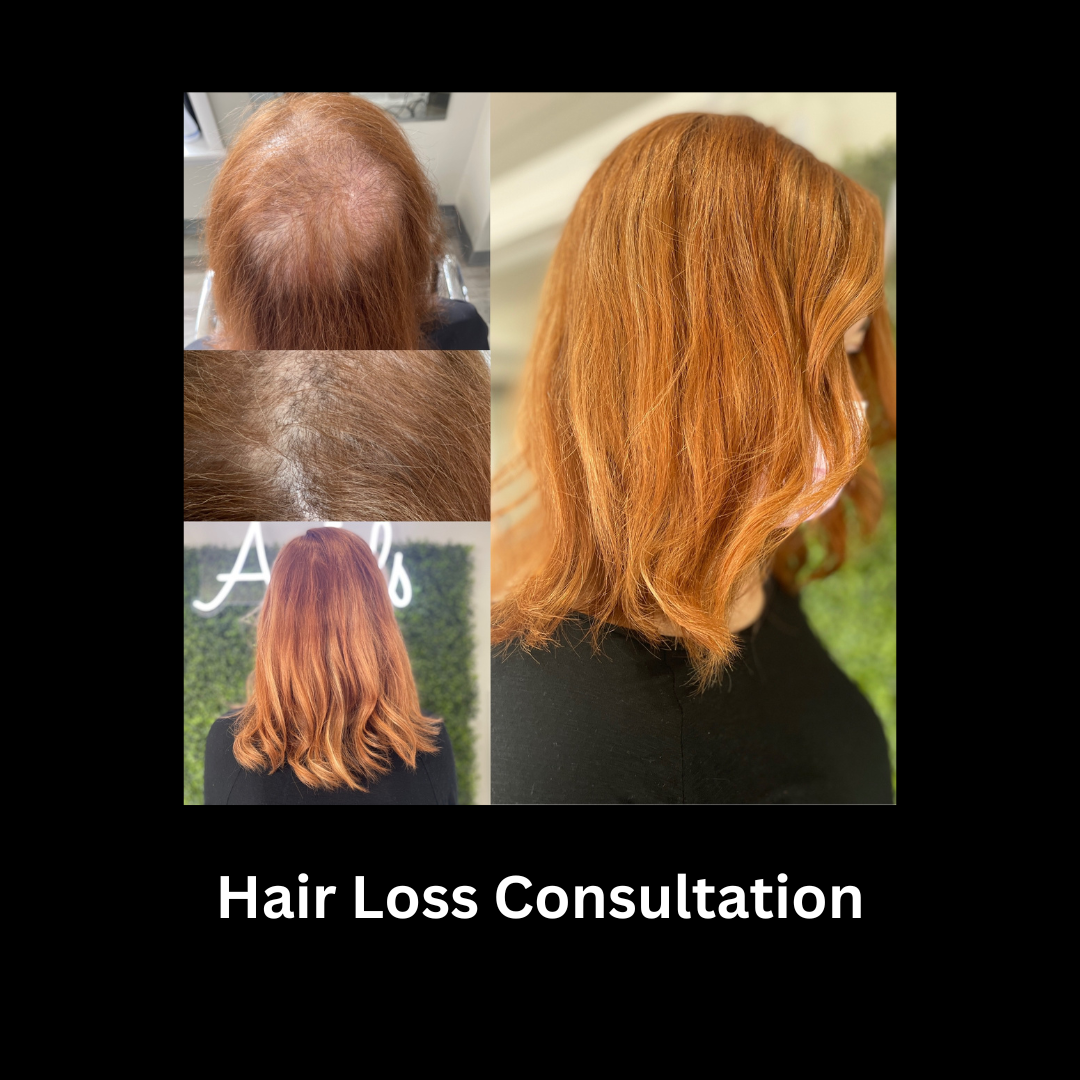
Imagine a client with diffuse thinning across the crown. A custom silk mesh base is designed to add density around the part while letting natural hair breathe through the openings. The stylist selects a blend that mirrors the client’s base shade with soft highlights, so light catches the surface like natural, sun-lifted hair. On styling day, the hair falls into place with minimal effort, and the client moves freely without worrying about a visible scalp. Can you picture how it might feel to tuck hair behind your ear or wear a half-up style without revealing thin spots?
Consider another client managing patchy loss from an autoimmune condition. A strategically placed system restores continuity over the affected area while remaining gentle on surrounding follicles. During maintenance, the stylist monitors regrowth, adjusts coverage if needed, and keeps the look cohesive as the pattern evolves. Would that kind of adaptable plan reduce the stress of unpredictable shedding cycles?
Case Studies of Successful Custom-Made Hair Integration
Personalized projects consistently show improvements in perceived density, blending, and styling freedom. For those with female pattern thinning, rebuilding crown and part line density often restores balanced proportions so styles frame the face again. For clients with traction-related thinning, a low-tension plan can protect edges while reestablishing a smooth hairline silhouette. Seeing fuller shapes in real life helps set expectations: while every journey differs, a customized silk mesh design can return you to familiar hairstyles and reduce the mental load of daily camouflage. Could picturing your go-to cut with natural fullness help you decide on next steps?
Exploring Hair Extensions in Hair Integration
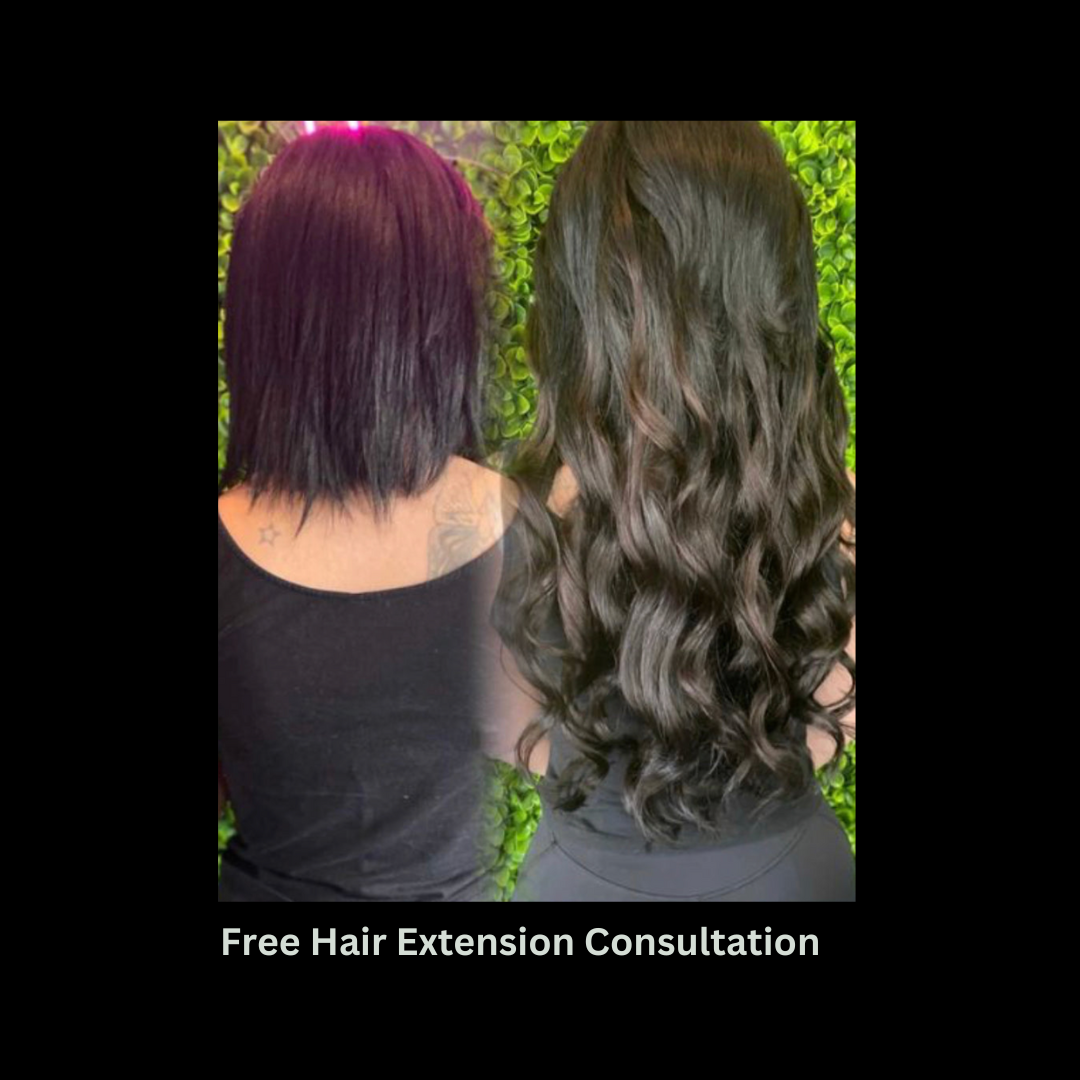
In addition to silk mesh integration, extensions can add length, volume, or targeted coverage so your final style checks every box as part of thinning hair solutions. When extensions are chosen thoughtfully and installed by a specialist, they complement the integration base and finish, extending styling options while keeping the overall look cohesive. Would a little extra length or fullness at the ends help your haircut feel complete again?
Types of Hair Extensions Used
- Weft hair extensions: Sewn into a foundation created in your hair, wefts add significant volume and length with a secure, even distribution of weight.
- Hair toppers: Designed for coverage at the top or part line, toppers blend with your natural hair to conceal sparse areas while maintaining a realistic scalp effect.
- Real human hair extensions: Human hair responds to heat styling and finishing products like your own, enabling a seamless match in texture and movement.
Choosing the Right Hair Extensions for Your Needs
The best extension choice depends on your hair’s current density, desired finish, and maintenance preferences. Shade-matched pieces should blend with your base color and reflect pattern, including highlights or lowlights, so everything moves as one. A specialist evaluates anchor points, weight distribution, and lifestyle to recommend an approach that supports scalp comfort. If you could fine-tune fullness where it’s needed most without overloading delicate areas, would that help you say “yes” to more good hair days?
The Process of Installing an Integration Hair System
Installing an integration system—especially a silk mesh hair integration for the first time—follows a clear path: consultation, prep, fitting, and attachment, followed by fine-tuning for comfort and styling. With a skilled salon owner or integration specialist guiding each step, the experience is structured, efficient, and focused on your comfort and long-term results. Does knowing there’s a step-by-step roadmap make the idea of trying integration feel more approachable?
Pre-Installation Measures
Your initial consultation maps current density, scalp sensitivity, and styling goals. The stylist reviews shade and texture options, discusses maintenance timing, and answers practical questions about daily wear. To prepare, the scalp is gently cleansed, tangles are removed, and any pre-care is applied so attachment points are clean and secure. Would a calm, unrushed prep that addresses your questions help you feel fully ready on installation day?
The Installation Procedure
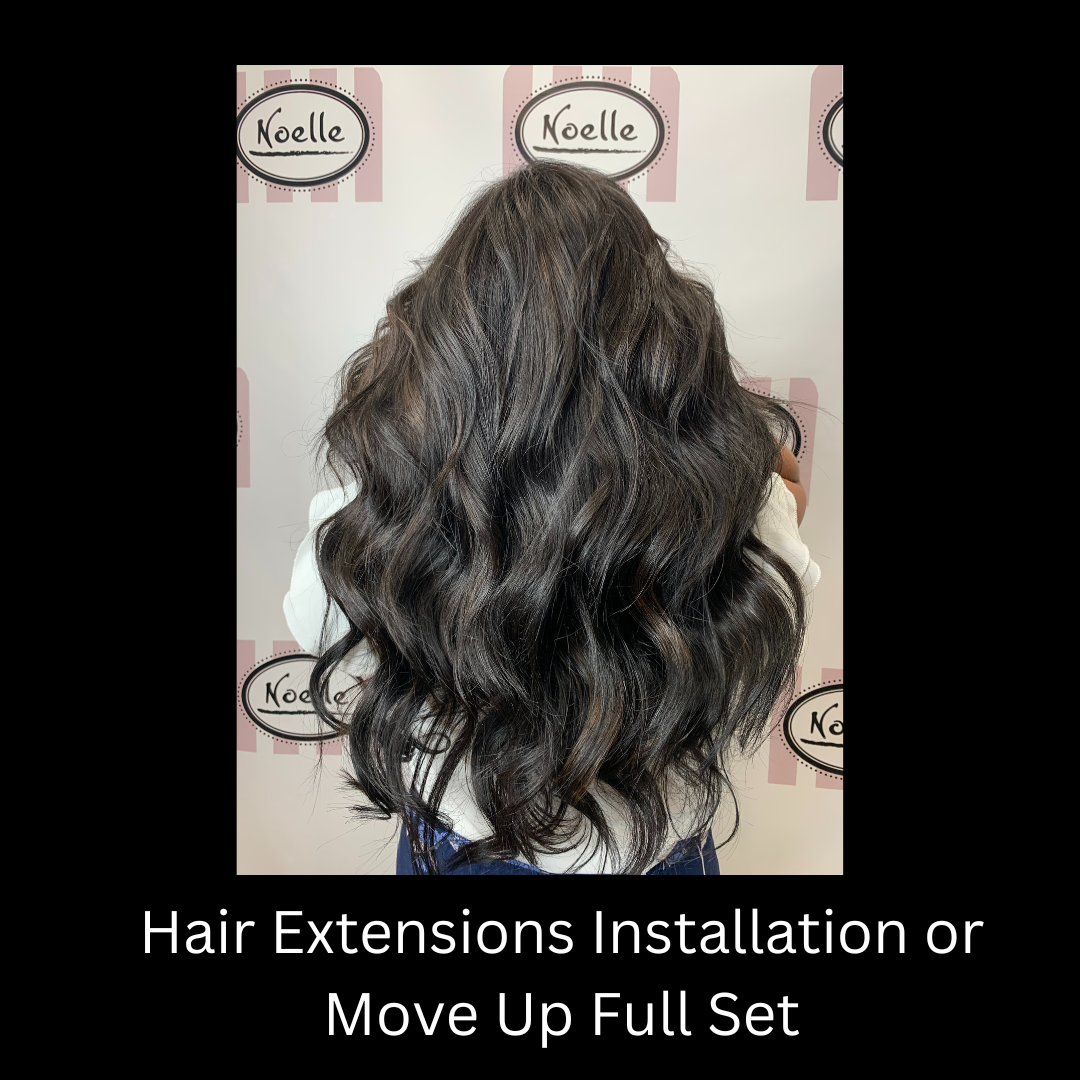
During installation, your stylist positions the custom base, checks alignment with your part and hairline, and attaches the system to your natural hair in a way that feels secure yet gentle. Sections are blended so the transition is invisible; then, the hair is cut and finished in your chosen style. This thoughtful sequence aims to deliver a result that looks natural from every angle and moves like your own. As you run your fingers through your hair afterward, can you imagine the relief of feeling density where you once felt sparse strands?
Maintaining Your Hair Integration System
Long-term success comes from consistent, mindful care. After installation, allow yourself two weeks to adjust. Many find that once the system becomes part of their routine, they feel renewed confidence and don’t want to be without it. With regular maintenance sessions and simple at-home habits, your silk mesh system can keep its shape, shine, and secure feel between appointments. If a few small adjustments could protect your investment and keep styling effortless, would you commit to a steady rhythm of care?
Care and Maintenance Tips
A few thoughtful habits protect both the mesh and your natural hair so everything stays comfortable and polished:
- Follow the recommended guidelines from your integration specialist to keep attachments secure and the base in top condition.
- Use gentle, sulfate-free shampoos and hydrating conditioners focused on mid-lengths and ends, keeping products away from attachment points.
- Limit high heat; use moderate settings with heat protectant when styling to avoid damaging the silk mesh or integrated hair.
- Detangle from ends upward using a soft-bristle or loop brush, supporting the base with your hand to reduce tension.
- Sleep on a smooth pillowcase and consider loosely braiding lengths to reduce friction overnight.
- Schedule regular maintenance so your specialist can tighten, refine blending, and check scalp and hair health.
What to Avoid for Long-Lasting Results
Steering clear of a few common pitfalls helps your system look fresh and last:
- Avoid washing too frequently, which may loosen attachments and shift the silk mesh integration.
- Skip excessive heat or prolonged high-temperature tools that can weaken fibers and alter the base shape.
- Keep harsh chemicals and untested dyes away from the integration hair and base to prevent damage or color transfer.
- Do not pull or tug on the base; treat the integration gently, the way you would your most delicate strands.
- Maintain your appointment cadence so adjustments are proactive rather than reactive, keeping everything comfortable and secure.
Is a Silk Mesh Hair Integration System Right for You?
Silk mesh systems are designed for people who want realistic density, breathable comfort, and everyday reliability—without surgery—making them a strong non-surgical hair restoration choice within broader alopecia treatment options. Whether your thinning stems from female pattern loss, trichotillomania, hormonal shifts, or other factors, the key is tailoring the solution to your goals. Do you prioritize a natural hairline, low-maintenance styling, or the ability to pull hair back? Clarifying your must-haves ensures your stylist can configure the base, density, and finish that suit you best.
During consultation, your professional evaluates the extent of hair loss, your desired coverage, and how the system should harmonize with your natural texture and cut. They’ll also discuss maintenance timing and what daily care looks like, so you know exactly what to expect. If a dependable routine with predictable results sounds appealing, could silk mesh integration be your bridge back to worry-free styling?
Remember, success comes from partnership: your at-home care plus scheduled maintenance keeps everything comfortable, secure, and camera-ready. With guidance and a plan you trust, you can enjoy a fuller look that feels authentically you. As you imagine stepping into a day without hair-related second-guessing, what style would you choose first?
Silk Mesh Hair Integration: Clear Definition, Advantages, and Considerations
Silk mesh hair integration is a semi-permanent, non-surgical method that uses a lightweight, hypoallergenic mesh base to intermix supplemental hair with your own. The mesh is contoured to your scalp, positioned strategically over thinning zones, and attached in a way that is secure yet gentle. Hair is then blended, cut, and finished to match your color and texture, producing a natural-looking result that moves and parts like your own. Would a solution that treats your natural hair as an asset—rather than hiding it—align with how you want to look and feel?
Key advantages include breathability for scalp comfort, a refined finish for believable part lines, and versatility for a broad range of styles. Because the system works with your existing hair, it can support everyday confidence while preserving familiar routines. And through regular maintenance, your stylist can keep fit, blending, and attachments optimized as your hair evolves. If you’ve been searching for an option that balances realism, comfort, and practicality, could silk mesh be the missing piece?
Limitations and Challenges to Weigh
No single solution suits everyone, and a balanced view helps set realistic expectations. Silk mesh integration requires periodic maintenance to stay secure and well-blended. Attachment comfort can vary depending on scalp sensitivity, hair density, and lifestyle. If you prefer zero upkeep or dislike follow-up appointments, would a different approach better match your preferences?
Styling freedom is broad, but some high-tension looks should be approached with care to keep stress off delicate areas. Certain chemical services or high-heat techniques may need to be modified to protect both the mesh and integrated hair. And like any aesthetic solution, there is an adjustment period: you may need a short window to learn new brushing habits, dial in products, and settle into the maintenance rhythm. Would knowing these trade-offs in advance help you feel more confident in your decision?
Daily Styling and At-Home Care: A Simple Routine
- Morning refresh: Lightly mist with water or a leave-in, then detangle from ends up while supporting the base. Would a five-minute reset simplify your mornings?
- Heat and finish: If using tools, choose moderate settings and always apply heat protectant. A soft, flexible hold product can enhance movement without buildup near attachment points. Could a minimal product wardrobe keep your styling predictable and clean?
- Activity proofing: For exercise or windy days, a loose braid or low pony with gentle accessories helps prevent tangles while maintaining a natural shape. Would a couple of go-to protective styles make active days stress-free?
- Night care: A smooth pillowcase and a loose braid or silk wrap reduce friction and preserve the finish. Might a small nighttime habit pay big dividends in morning ease?
Professional Maintenance: What to Expect
At each appointment, your stylist will assess how the base is sitting, check attachment integrity, and look for signs of irritation or stress. They’ll refresh blending, trim as needed, and recommend care tweaks based on how your system is wearing. If something feels less than perfect—tightness, slippage, or visible areas—maintenance is the moment to correct it. Would a proactive partnership help you feel supported throughout your hair journey?
Between visits, note how the hair behaves after washing, during workouts, and in different weather. Sharing small observations leads to tailored adjustments that keep your result looking and feeling natural. Are you ready to treat maintenance as a collaboration that protects both beauty and comfort?
Integration vs. Other Non-Surgical Options
Compared with a full wig, integration highlights your natural hair, which many find more comfortable and realistic for everyday wear. Compared with clip-in pieces, integration is semi-permanent, so you don’t have to apply and remove components daily. And compared with certain volumizing techniques, the silk mesh base offers structure where it’s needed most without overwhelming delicate areas. If you’ve tried temporary fixes and want a calmer, longer-lasting routine, could integration be the steady solution you prefer?
Some clients use integration alongside topical or lifestyle approaches recommended by their clinicians. While integration is not a medical treatment, it can complement a broader plan by restoring appearance while you pursue health-focused steps. Would a dual-track strategy—confidence now, care ongoing—help you feel more in control?
Who Benefits Most from Silk Mesh Integration?
- Individuals with thinning at the crown or part who want realistic coverage without a full wig.
- Those with patchy loss who need adaptable solutions that evolve with their pattern.
- People prioritizing breathable comfort and secure, undetectable wear during daily life.
- Anyone ready to follow a straightforward maintenance plan for consistent results. Do you see yourself in any of these groups, and if so, which benefit matters most to you?
Building Confidence Through Personalized Design
Confidence grows when hair cooperates—when cuts fall into place and you don’t need to strategize around every forecast or photo. A personalized silk mesh system aims to restore that ease. By mirroring your texture and fine-tuning density where you need it most, the final effect is less about wearing something “extra” and more about seeing your reflection align with how you feel inside. If hair became a quiet strength again rather than a source of daily planning, how might that shift your energy and focus?
Clients often share that once they stop micromanaging parts and camouflage, they reclaim time and spontaneity. They try hairstyles they’d set aside and stop avoiding activities they once loved. Would exchanging worry for freedom be a worthwhile trade for a steady care routine?
Conclusion
Silk mesh integration systems offer a natural, breathable, and semi-permanent solution for restoring fullness without surgery. By blending seamlessly with your own hair, they provide realistic coverage that supports both appearance and scalp comfort in everyday life.
Because each system is customized, it can adapt to different patterns of hair loss—from part line thinning to more diffuse or patchy areas—creating a result that feels truly personal. With proper installation, simple daily care, and consistent maintenance, the look remains secure, polished, and easy to manage.
If you’re navigating hair loss and want a solution that feels natural, comfortable, and tailored to you, silk mesh integration can be a powerful step forward.
👉 Book your free hair loss consultation and explore a personalized plan designed to restore both your hair and your confidence.


