
Ethically Sourced Hair Extensions in Boston: Why It Matters for Consumers and the Local Beauty Community
What does it mean for ethically sourced hair extensions in Boston?
Ethically sourced hair extensions are produced from hair that is collected and processed with respect for people and the planet. In practice, this means donors freely consent to providing their hair, are treated with dignity, and receive fair compensation where applicable. It also means every stage—collection, sorting, processing, coloring, and packaging—follows humane labor standards and reduces environmental harm whenever possible. For consumers, this matters because the quality of the product and the integrity of the supply chain are closely linked. Choosing ethically sourced hair extensions supports fair labor, increases transparency, and helps ensure the hair you purchase aligns with your values.
In recent years, extensions have become part of everyday styling for people who want to add length, density, or dimension without waiting for natural growth. Yet the industry’s rapid growth has brought challenges: vague labeling, inconsistent quality standards, and opaque sourcing practices. When a product claims to be “human hair” but is mixed with synthetics, or when its origin is unclear, buyers cannot make informed decisions. Ethical sourcing raises the bar by centering consent, fairness, and traceability—key assurances that comfort today’s conscious consumer.
Remy hair is collected so the cuticles remain intact and aligned from root to tip, preserving its natural direction and performance. Virgin hair, by contrast, has never been chemically processed or altered, which supports predictable coloring and long-term wear. These definitions set the foundation for understanding how sourcing methods affect both quality and ethics.

Mislabeling in the Hair Extension Industry: A Consumer Trust Issue for Boston Buyers
With clear definitions in hand, consumers can better navigate a market rife with mislabeling. Despite soaring demand for human hair, the market remains crowded with products mislabeled as “100% human” that are actually synthetic or heavily blended. Vague terms can often mislead buyers about the true nature of what they’re purchasing, with some items claiming “100% human hair” yet failing to meet ethical sourcing expectations. This misrepresentation creates a cascade of problems. Buyers often experience matting, poor heat tolerance, and limited styling options—issues that would not occur with genuinely sourced remy or virgin human hair. Beyond quality concerns, mislabeling dilutes responsible players’ efforts and blurs the lines for shoppers who genuinely want to support fair, transparent supply chains.
Because no single global authority systematically audits hair imports, many salons and retailers rely on manufacturer honesty. While trust and long-term relationships can be strong safeguards, they are not foolproof. When a supplier prioritizes volume over verification, corners can be cut, leading to misleading claims and lower-grade blends marketed as premium human hair. The result: frustrated consumers and reputational harm across the industry. Understanding these terms not only informs purchasing decisions but also emphasizes that ethical sourcing directly sustains product value and consumer trust.

Human Rights Concerns in Ethically Sourced Hair Extension Production
Ethical sourcing is about more than premium quality; it is fundamentally about people. In some regions, reports describe coercive practices and inadequate payment. When individuals feel pressured to sell their hair or are misled about compensation, the result is exploitation and a cycle of inequity. Responsible brands counter this by building direct, transparent relationships, ensuring informed consent, and verifying that intermediaries uphold fair-pay policies throughout collection and processing. The ethical path also extends to working conditions at sorting and wefting facilities—clean, safe environments, reasonable hours, and protective equipment benefit workers and improve the final product.
The Impact of Mislabeling on Boston Consumers and Ethical Sourcing
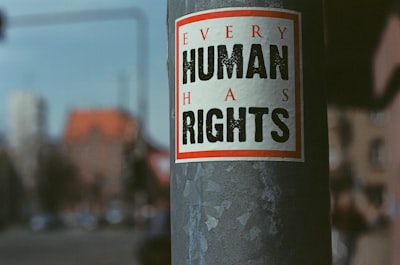
When labels are inaccurate, shoppers pay a premium for hair that fails quickly under heat, resists coloring, or tangles excessively. That disappointment often leads to distrust, returns, and wasted time. More importantly, mislabeling obscures the moral dimension of the purchase: it limits buyers’ ability to choose products that respect donors and workers. When consumers can see how and where their extensions were sourced, they can reward responsible businesses and contribute to fairer practices industry-wide.
Ethical Concerns from Misrepresentation in Boston’s Hair Extensions Market
Misrepresentation can conceal harmful chemical processing and the overuse of harsh bleaching agents. Ethical suppliers disclose how hair is lifted or toned, what dyes are used, and whether processing preserves cuticles. Transparent brands document the journey from collection to weft creation, share quality controls, and explain any color treatments. This clarity helps consumers distinguish between options and select hair that meets performance and ethical expectations.
I work with a factory in India, and they send pictures of the hair that is being sourced from temples in their area, the hair tonsuring ceremony. This ceremony is a sacred tradition in which individuals voluntarily shave their heads as a spiritual offering. Temple authorities then sell the collected hair to reputable manufacturers who prioritize ethics and oversight. Because donations are voluntary and the process is organized, the practice can support fair compensation and traceability when managed responsibly.
By working closely with such manufacturers, we ensure that the hair extensions we offer are truly ethically sourced. The images and documentation we receive create a verifiable chain from temple to factory to salon, assuring that the hair is genuinely and willingly donated. This allows us to offer high-quality human hair while honoring ethical commitments that our clients care deeply about.
Understanding Ethically Sourced Extensions for Boston Consumers: Definitions, Quality, and Standards
To address industry concerns, it helps to clarify exactly what “ethically sourced” means in the context of human hair. Ethically sourced extensions involve human hair obtained through transparent channels that respect donor consent, ensure fair compensation where appropriate, and protect the well-being of workers involved in sorting, wefting, and color processing. Ethical practices also factor in environmental stewardship, from wastewater management during dyeing to minimizing unnecessary chemical exposure. For consumers, these assurances translate into hair that performs better, lasts longer, and reflects conscientious choices.

Defining “ethically sourced,” “remy,” and “virgin hair” for Boston shoppers
Key definitions:
- Ethically sourced hair extensions: Hair obtained with donor consent and, when relevant, fair compensation; handled by workers in safe conditions; and processed with transparent, traceable methods.
- Virgin hair: Human hair never chemically processed—no bleaching, dyeing, or perms—so it colors and styles predictably because cuticles remain intact.
- Remy hair: Human hair collected and kept root-to-tip aligned, reducing tangling, preserving shine, and extending wear; remy can be virgin or gently processed.
Both virgin and remy hair support better wear, less matting, and a more natural blend with your own hair. For ethical sourcing, these definitions matter because misused labels can mask lower-quality or mixed fibers. When a product is advertised as remy or virgin, trusted brands should explain how they confirm those claims and provide collection and processing details.

Increase Transparency in Ethically Sourced Hair Extensions: What Boston Consumers Should Know
Transparency is the backbone of ethical sourcing. It helps buyers understand origin, donation or purchase practices, and factory conditions. Transparent brands share traceable details—sorting by length/thickness, small-batch color lifting, and cuticle preservation. In Boston, this clarity builds trust and helps stylists recommend products for long-term wear and consistent color.
Creating a relationship with our supplier in India allows for open communication about the source of the hair, color consistency, and processing quality. Because some factories in other regions may not provide comparable transparency, we prioritize partners who embrace strict oversight, documentation, and consistent standards for virgin human hair. This approach ensures dependable results for clients and honors the values of our local Boston beauty community.

The Journey of Ethically Sourced Hair Extensions: From Collection to the Boston Client
Understanding the journey clarifies how ethical standards show up in real products. Each step—collection, sorting, weft creation, color processing, packaging, and distribution—offers opportunities to protect donors, safeguard workers, and ensure product integrity. Ethical partners track batches, document processing methods, and share realistic maintenance guidelines so consumers know how to care for their investment.
From source to consumer in Boston: the ethical path explained
Ethical sourcing begins with informed consent and fair compensation. In places like India, temple hair donations can be organized and traceable when transparent systems exist. In other regions, hair may be purchased directly from individuals or through community-driven programs that verify consent and provide fair payment. From there, responsible factories perform careful sorting by length and texture, align cuticles if the hair is remy, and minimize excessive chemical exposure. By the time hair reaches stylists and clients, it should carry documentation and consistent quality markers that reflect the ethical choices made at every stage.
Ensuring quality and fair trade for ethically sourced hair extensions in Boston
- Fair trade principles guide compensation for donors and fair wages for factory workers.
- Remy human hair supports longevity, reduced tangling, and reliable styling performance.
- Coloring and toning should be transparent—disclosing methods, products, and expectations for maintenance.
- Traceability and batch-level tracking help confirm origin and consistent standards.
- Remy alignment protects the cuticle, promoting softness, shine, and durability.
- ISO certification and documented quality systems reinforce process discipline and continuous improvement.
A hypothetical scenario: the path of an ethically sourced bundle to Boston
Imagine a bundle that starts at a temple in India, where a donor voluntarily participates in the tonsuring ceremony. The temple carefully documents the donation and partners with a vetted factory. At the factory, trained workers sanitize and sort the hair by length, then create remy bundles with aligned cuticles. A small team performs gentle toning to achieve a popular brunette shade used often in Boston salons, recording each step in a lot-tracking system. Quality inspectors check for uniform wefting, even density from root to tip, and color consistency. The bundle ships with batch records and care instructions. A stylist in Boston reviews the documentation, confirms the shade, and installs the hair with confidence—knowing that the donor’s dignity was respected and that the factory team worked in safe conditions. The client notices the difference in movement and manageability, and the stylist provides maintenance tips that preserve the hair’s integrity for months of wear.
How to Distinguish Ethically Sourced Hair Extensions in the Boston Market
Finding ethically sourced extensions requires a blend of product knowledge and healthy skepticism. Because Boston clients often need hair that can withstand weather shifts, active commutes, and professional styling routines, understanding markers of authenticity ensures value for money and peace of mind. Are you aware of where your hair extensions come from and the implications of your choices?
Working with larger, transparent factories in India helps ensure that hair does not bypass proper donation channels and that all parties are respected. When you encounter vague or inconsistent details about origin or processing, treat those as red flags and ask more questions.
Identifying marks of ethically sourced hair extensions for Boston buyers
When evaluating options, consider the following:
- Clear definitions and proof for terms like “virgin” and “remy”; these are often associated with ethical collection and consistent quality standards.
- Transparency about the coloring process and fair compensation practices—responsible brands can explain both in plain language.
- Evidence of community benefit and respect for donors, including accountability measures that prevent exploitation.
- Documentation that follows hair through sourcing, processing, and shipping—lot numbers and batch tracking are helpful tools.
- ISO certification and robust quality systems that reinforce sustainability, traceability, and worker safety.

Verifying the claims of brands in Boston’s hair extension market
Before you commit, compare what a brand says with what it can show. If a line claims virgin hair, ask about processing; if it promotes remy, request an explanation of how cuticle alignment is preserved. When a company touts “100% human hair,” consider whether it provides detail on origin countries and how it prevents synthetic mixing. Look for brands that openly state when hair is sourced from Europe, India, or China and explain how they protect donors and workers. Ask for batch consistency details—strand thickness, texture pattern, and color matching procedures. What steps do you take to ensure the hair you purchase is ethically sourced?

The Role of Boston Consumers in Advancing Ethical Sourcing for Hair Extensions
Consumers drive the direction of the market. When buyers value transparency and reward brands that do the right thing, responsible practices spread. In the Boston area, where clients and stylists frequently collaborate on long-term maintenance plans and color strategies, ongoing conversations about sourcing can influence which lines salons stock and which factories grow.
Consumer awareness in Boston and its impact on change
Awareness transforms habits. Informed clients ask for batch details, verify labels, and challenge vague claims. Those questions push brands to improve documentation and refine quality controls. When shoppers choose products aligned with fair labor and consent-based collection, demand shifts in favor of ethical supply chains. Over time, this supports better wages, safer factories, and higher-quality hair for everyone.
How Boston consumers can support ethically sourced brands
- Support brands like Veila Hair Extensions that emphasize ethical sourcing, transparent documentation, and respect for donors and workers.
- Favor companies that share processing details, including color methods, and that outline maintenance expectations honestly.
- Look for product lines that explain origin and provide consistent thickness, texture, and shade information.
- Encourage salons to stock brands that invest in community well-being and uphold clear labor standards in every facility.
- By purchasing from companies committed to ethical practices, consumers help elevate quality, accountability, and worker protections across the industry.

Checklist for Choosing Ethically Sourced Hair Extensions in Boston
- Donor consent verified; for temple or community hair, documentation confirms voluntary participation.
- Fair compensation practices where hair is purchased, with safeguards against coercion.
- Clear definitions and proof for “virgin” and “remy” claims, plus cuticle alignment methods.
- Facility safety: protective gear, clean workspaces, reasonable hours, and training for workers.
- Transparent processing, including dyes used, bleaching limits, and wastewater handling.
- Traceability from collection through shipping—batch numbers, inspection records, and consistent specifications.
- ISO certification or comparable quality systems to standardize procedures and drive improvements.
- Responsible packaging and realistic aftercare guidance to prolong the life of the extensions.
Ethically Sourced Hair Extensions in Boston: Trends, Expectations, and Quality
Boston’s beauty community values reliability, longevity, and professional outcomes. Ethically sourced extensions align with these expectations by offering consistency in density, cuticle alignment, and color responsiveness. Stylists can plan color services more accurately, and clients can commit to aftercare with confidence, knowing their hair’s origin and processing are well-documented.
Common red flags Boston consumers should question when shopping for ethically sourced hair extensions
- Labels that promise “100% human hair” without any documentation or clarity on origin.
- Inconsistent bundle density, unusual synthetic sheen, or a plastic-like smell when heat is applied.
- Overly aggressive bleaching that weakens hair dramatically before it reaches the salon.
- Vague responses to questions about donor consent, factory conditions, or batch tracking.
When you encounter these signs, ask for specifics. If explanations are evasive, consider a different brand. What steps do you take to ensure the hair you purchase is ethically sourced?
The Future of the Hair Extension Industry in Boston: Ethical Momentum and Practical Challenges
As the hair extension industry evolves, momentum is building around ethical sourcing and traceability. Consumers expect responsible practices that deliver both performance and peace of mind. Brands that invest in verified supply chains, worker safety, and realistic product education will continue to stand out.
Trends toward more ethical practices in Boston’s hair extensions market
Clear labeling, batch tracking, and consent verification are becoming more common. Salons increasingly ask for processing disclosures and performance tests before bringing in a line. Education is central: stylists who can explain the differences between synthetic blends, remy, and virgin hair help clients make better choices. That education, paired with consumer demand, is pushing transparency deeper into the supply chain.
Challenges and opportunities ahead for Boston salons and consumers
Challenges remain, including the cost of rigorous oversight, the complexity of global sourcing, and the persistence of misused labels. Yet each challenge is also an opportunity. Stronger partnerships between salons and ethical factories create better products and documentation. Ongoing audits, ISO-aligned quality systems, and investment in worker training improve both safety and consistency. For consumers, continued questions and thoughtful purchases keep the pressure on for sustained change. Only we can make a difference; because many goods are produced abroad, demanding transparency in manufacturing—including labor standards and quality controls—is essential.

Consumer Questions That Encourage Better Practices in Boston’s Ethically Sourced Hair Extensions Market
- Can you document donor consent or explain how consent is verified in your sourcing model?
- Is this hair virgin, remy, or processed? How do you preserve cuticle direction?
- What chemicals or dyes are used during color processing, and how is wastewater handled?
- How do you ensure safe working conditions in factories that sort, weft, and color the hair?
- Do you track hair by batch or lot number? Can I see records for consistency and quality checks?
- If the hair is labeled “100% human,” how do you prevent synthetic mixing?
Conclusion: Ethical Sourcing, Boston Consumer Responsibility, and the Road Ahead
Ethical sourcing and transparency are fundamental to a trustworthy hair extension market. When labels are accurate and methods are clear, consumers can align purchases with their values and get the performance they expect. Misrepresentation erodes confidence, contributes to unfair labor practices, and frustrates clients who invest in what they believe is premium hair. Ethically sourced extensions prioritize fair exchange, humane conditions, environmental responsibility, and honest communication—standards that benefit donors, workers, stylists, and clients alike.
As consumers, we can look for the identifying marks of ethically sourced products and seek verification when claims are unclear. By asking questions, supporting transparent brands, and choosing reliable lines, we help drive the industry toward fairer systems and stronger quality controls. The future of the hair extension space will be shaped by growing demand for sustainability, consent-based collection, and robust oversight. ISO-aligned quality frameworks and open documentation can guide that evolution while improving consistency and longevity for end users.
Are you ready to be part of that change? Start by reflecting on your current products, speaking with your stylist about sourcing, and prioritizing brands that earn your trust through proof, not promises. Let us champion transparency and ethically sourced hair extensions together—so every bundle tells a story of respect, quality, and care from the first strand to the final style. How do you think mislabeling affects consumer trust in the beauty industry?