

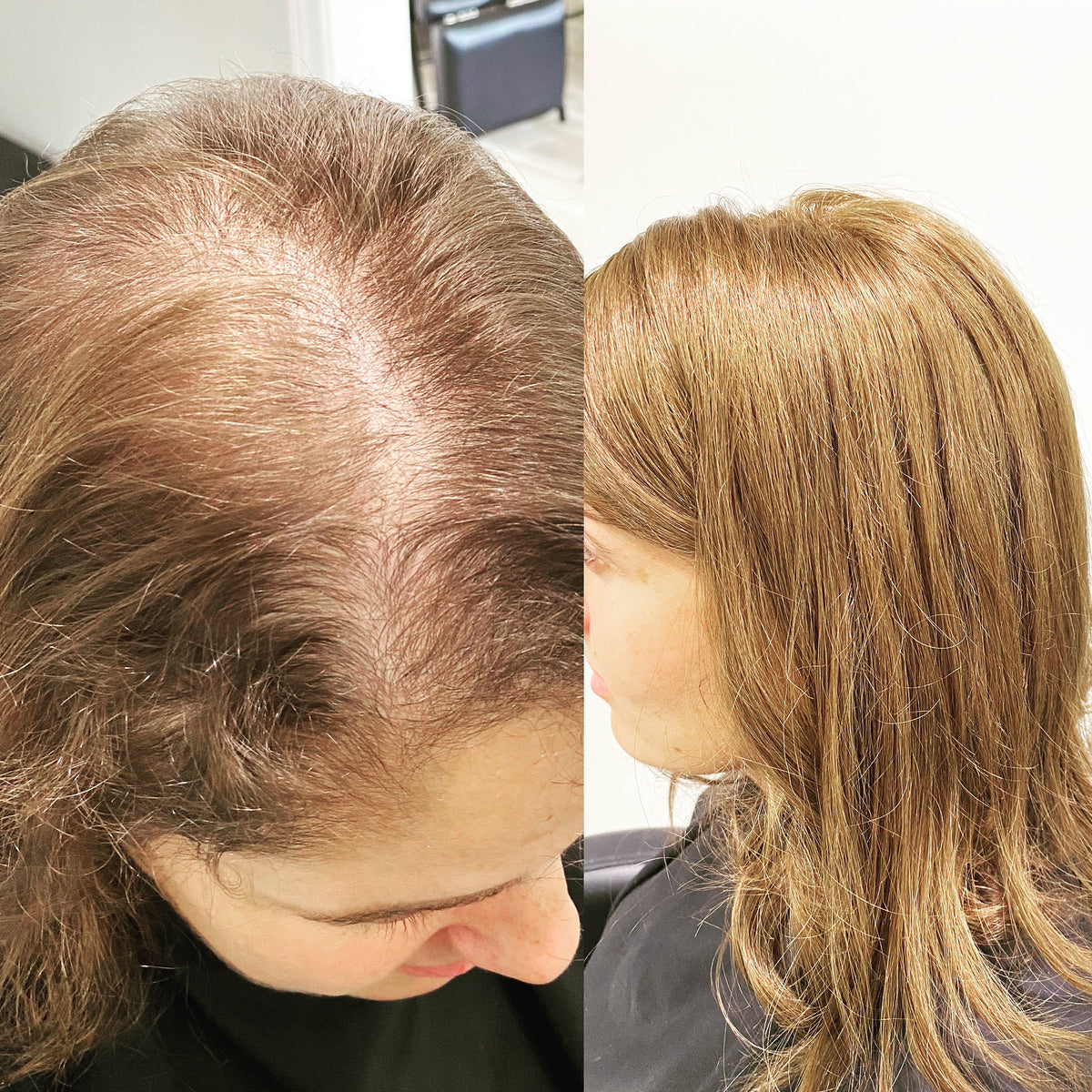


Vegan Hair Extensions: Top Picks for a Harm-free Style

Key Highlights
Vegan hair extensions offer an animal-friendly, cruelty-free way to transform your look without using human or animal hair. If you live a vegan lifestyle or simply prefer ethical, low-maintenance options, synthetic hair is a practical choice that’s easy to care for and budget-conscious. There are many vegan hair extensions made from synthetic fibers or plant-based materials, and each has unique benefits. Consider texture, color, length, and density so the extensions blend seamlessly with your hair. Synthetic hair extensions stand out for affordability and minimal upkeep, while plant-derived fibers appeal to eco-conscious wearers. What factors do you prioritize when selecting hair extensions—feel, shade match, longevity, or ease of styling?

Introduction
Have you ever considered how your beauty choices align with your values? Step into the world of cruelty-free, vegan hair extensions in Boston and discover styles that look stunning while staying kind to animals and the planet. Vegan options use synthetic or plant-derived materials, giving you freedom to experiment with length, volume, and color—without animal byproducts. From everyday wear to special occasions, you can find options that match your ethics and your personal style. In this guide, you’ll learn how to choose, style, and maintain vegan hair so it looks fresh and feels comfortable day after day. Ready to elevate your look while keeping it compassionate?
What Are Vegan Hair Extensions?
Vegan hair extensions are made without animal-derived ingredients or byproducts and follow cruelty-free principles. Instead of human or animal hair, these extensions use synthetic fibers or plant-based materials engineered to mimic the look and movement of natural hair. Available in a wide range of shades, textures, and weights, they let you customize your style without compromising your ethics. Understanding how different vegan fibers behave—how they move, hold curls, or respond to care—helps you choose extensions that complement your routine and your desired finish.
What Makes Hair Extensions Vegan?
Extensions qualify as vegan when they are produced without animal hair or animal-derived components such as silk or keratin, and when brands emphasize cruelty-free practices. Materials are selected to deliver a realistic appearance and comfortable wear while honoring ethical standards.
The Importance of Cruelty-Free Beauty Choices
Choosing cruelty-free, vegan hair extensions supports a kinder beauty industry and reduces reliance on animal-derived inputs. It’s a way to express personal style while advocating for more responsible production. By opting for vegan alternatives, you help encourage brands to prioritize ethics, transparency, and eco-minded innovation—small choices that collectively promote a gentler approach to beauty. What matters most to you when weighing style against sustainability?
Types of Vegan Hair Extensions Available
You’ll typically find two main categories of vegan hair extensions: synthetic fibers and plant-based fibers. Synthetic options are widely available, versatile, and cost-effective—great if you love experimenting with new looks. Plant-derived fibers appeal to those seeking biodegradable, earth-conscious materials. Before choosing, think about how you style your hair, how much volume you want, and the finish you prefer—sleek, blown-out, wavy, or curly—so your selection fits your routine.

Synthetic vs. Plant-Based Fibers
Synthetic vegan hair extensions tend to be more affordable, come in many shades, and hold pre-set textures well. Plant-based fibers, often derived from renewable sources, appeal to eco-conscious users and can feel lightweight. Consider tactile feel, density, and styling flexibility. If you use hot tools frequently, confirm whether your chosen fiber tolerates heat and at what settings. Matching fiber performance with your day-to-day routine helps you get the look you love with less effort.
Pros and Cons of Each Type
Synthetic extensions are budget-friendly and available in a wide color range, but they can tangle more easily and may have heat limits. Plant-derived options are lighter and align with eco values, yet some may require more delicate handling with hot tools. Balance maintenance needs with your styling habits so you pick a fiber that supports your goals. Curious which trade-offs you’re most comfortable with—cost and convenience, or environmental considerations and a gentler routine?
How to Pick the Best Vegan Hair Extensions for You
Selecting vegan hair extensions starts with four essentials: texture match, shade accuracy, length, and volume. Decide whether you want synthetic hair for ease and affordability or plant-based fibers for an earth-forward choice. Confirm the weight and width of each piece to blend naturally, and choose textures that mirror your hair pattern for a seamless finish. As you compare options, visualize how you’ll wear them day to day, how often you’ll style, and how much time you want to spend on upkeep.

Matching Texture and Color
Aim for a close texture match so vegan hair extensions blend invisibly. Compare curl patterns, strand diameter, and sheen to your natural hair. For color, choose a tone that complements both your roots and ends; some prefer mixing two near shades for dimension. If you’re between hues, go slightly lighter and add depth with styling rather than risk a stark contrast. When the texture and shade are aligned, the extensions enhance volume and length without calling attention to themselves.
Length and Volume Considerations
Identify your target length and the fullness you want to achieve, then select sets with the right piece widths and weights to distribute volume evenly. Synthetic options often deliver bold fullness with minimal styling, while plant-based fibers may feel airier for everyday wear. Avoid mixing non-vegan materials if cruelty-free beauty is your priority; for instance, options like human remy hair are not vegan. What length and density will complement your face shape, lifestyle, and favorite hairstyles?
Caring for Your Vegan Hair Extensions
Consistent, gentle care keeps vegan hair extensions looking smooth and fresh. Build a simple routine that protects fibers, prevents tangling, and preserves texture.
- Choose sulfate-free cleansers to reduce dryness and protect synthetic or plant fibers.
- Detangle with a wide-tooth comb, starting from the ends and working up.
- Store pieces laid flat or on a hanger to prevent creasing and knots.
- Limit high heat; confirm fiber heat tolerance before styling.
- Deep condition as directed for your fiber type to maintain softness and shine.
Maintenance and Styling Tips
Follow these practical, cruelty-free care habits to maximize longevity and keep your style consistent:
- Minimize hot-tool use; favor heatless methods for waves and curls.
- Use gentle shampoos and silicone-free conditioners formulated for synthetic hair when applicable.
- Detangle from the bottom up with a wide-tooth comb, especially before washing and storage.
- Select styling products compatible with your fiber type to avoid buildup.
- Spot-refresh between washes with a light mist of water and a soft brush.
If you need tailored advice, a stylist familiar with vegan fibers can suggest the best routine for your texture, lifestyle, and goals. Imagine you have an important event this weekend—would you choose a low-heat, brushed-out wave for an elegant look, or a sleek, straight finish that stays polished for hours?
- Regular, gentle care is the secret to keeping extensions looking their best day after day.
Washing and Conditioning Best Practices
Handle vegan hair extensions with care to extend their lifespan. Use sulfate-free shampoo and a compatible conditioner, gently cleansing without rough motions that can cause matting. Rinse with lukewarm water and blot dry—don’t rub. Apply a light oil or fiber-safe serum from mid-lengths to ends if recommended for your material. Carefully detangle with a wide-tooth comb and allow the pieces to air-dry completely before storing or styling. If you notice frayed ends, a minimal trim can prevent further wear. What part of your care routine could you simplify to keep maintenance stress-free?
Care Checklist for Vegan Hair Extensions
- Before wear: Detangle, check clips or seams, and confirm the parting looks natural.
- During wear: Avoid heavy oils near roots and secure pieces to prevent shifting.
- After wear: Brush gently, remove any product residue, and store flat or hung.
- Weekly: Assess for tangles, refresh style with low-heat or heatless techniques.
- Monthly: Inspect stitching, wefts, or clips and address minor repairs quickly.
Materials You’ll Need
If you’re assembling vegan extensions at home or refreshing pieces, gather these basics first:
- Vegan Synthetic Hair: Choose high-quality cruelty-free fibers that match your hair’s texture and color.
- Wefts or Clips: Decide between sew-in or adhesive wefts for longer wear, or clips if you want removable, flexible styling for long hair looks.
- Fiber-Safe Haircare: Use cleansers, conditioners, and detanglers formulated for synthetic or plant-based materials to keep pieces looking fresh.
- Styling Tools: Keep a tail comb, soft brush, and any approved heat tools on hand—and always use a heat protectant suitable for your fiber type.
With the right materials ready, creating vegan-friendly hairstyles becomes a rewarding process—simple to learn and easy to repeat for everyday wear or special moments. Imagine prepping for a photoshoot or celebration: would you reach for face-framing pieces for softness, or fuller back wefts for red-carpet drama?
Conclusion
Vegan hair extensions make it possible to elevate your style while supporting cruelty-free, ethical beauty. Whether you prefer synthetic fibers for low maintenance or plant-based materials for an eco-minded approach, focus on texture, shade match, length, and volume so your look feels authentic and effortless. Seek out brands known for vegan options and responsive support, and consider simple DIY adjustments if you enjoy customizing your pieces. With consistent care, vegan hair can deliver lasting length, fullness, and versatility—without compromising your values.
If you’re ready to explore options that align with your values and your style, you can book a free hair extension consultation to get personalized guidance on the best fit for your hair and lifestyle.
Frequently Asked Questions
Can Vegan Hair Extensions Be Dyed or Bleached?
Some vegan hair extensions can be toned or colored, but proceed carefully. Synthetic and plant-based fibers don’t absorb color like human hair, so results vary. When in doubt, consult a stylist experienced with vegan fibers, follow your product’s instructions precisely, and always test on a small section first before treating a full set. How has your view on beauty products evolved as you’ve learned more about ethical choices?


