

Boston’s Best Non-Binary Haircuts Guide | Gender Affirming Hair Service Boston
Embracing Non-Binary Hair: Express Yourself
Non-binary hair is about more than style—it’s about identity, autonomy, and feeling aligned with how you present to the world.
At a hair salon Boston offering gender affirming hair service Boston, we see firsthand how the right haircut, color, or styling approach can help clients feel more confident, seen, and comfortable in their own skin.
Non-binary hair moves beyond traditional gender expectations. It can be subtle or bold, structured or fluid—but most importantly, it’s personal. From soft, androgynous cuts to textured, shape-shifting styles and expressive color choices, every detail is an opportunity to reflect who you are.
This is not about following trends—it’s about creating a look that feels right for you.
In this guide, we’ll explore:
- Androgynous and non-binary haircut styles
- Ways to use texture, length, and shape for fluid expression
- How extensions can customize and enhance your look
- Bold and natural color options that align with your identity
- Maintenance routines to keep your style feeling intentional and affirming

What Non-Binary Hair Means for Identity Expression
Hair is a visible language that can affirm who you are. For many non-binary people, styling choices become a way to challenge norms and represent nuance. Non-binary hair encompasses a wide array of looks—from ultra-short crops to flowing lengths, from soft waves to tight coils, from classic silhouettes to avant-garde shapes. Think of it as wearable art that reflects inner truth and celebrates the spectrum of gender presentation.
Whether you prefer the flexibility of longer hair, the sharp lines of a short cut, the charm of curls, or the sleekness of straight styles, non-binary hair invites play. It’s about amplifying what you love—accentuating cheekbones, balancing face shape, or drawing attention to eyes and jawline—while staying true to how you want to be seen. Understanding this perspective means recognizing that style is not just aesthetic; it’s a daily affirmation.

Debunking Myths Around Gender and Hair
Hair does not define gender identity, and there is no single “right” style for anyone. Many long-held ideas about who “should” wear a particular cut are outdated. Non-binary people—and truly, people of any gender—can choose whatever style aligns with how they feel and how they want to present.
By letting go of rigid assumptions, you gain permission to try lengths and shapes that once felt off-limits. This shift doesn’t just broaden style possibilities; it dismantles limiting beauty standards. The result is more room for authenticity, more visibility for diverse expression, and greater confidence.
The Importance of Expressing Identity Through Hair
Choosing a haircut or color that aligns with your sense of self can be profoundly affirming. It can help you feel seen and reduce the disconnect some experience between inner identity and outward presentation. Whether you gravitate toward flowing layers, a sharp undercut, soft fringe, or a close shave with crisp sideburns, your selection becomes a daily reminder of autonomy.
Expression also builds connection. Shared experiences with barbers, stylists, and community members who understand the nuances of non-binary presentation can foster belonging. Celebrating your look, in turn, empowers others to explore their own voice and reshape what beauty means.
Exploring Non-Binary Hair Styles
Androgynous and gender-inclusive cuts are on the rise because they offer flexibility and resist categorization. Non-binary people frequently experiment with length and shape—sometimes switching between soft and sharp lines, or toggling from minimal styling to high texture—to reflect how they feel at any moment. A middle-part cut with curtain bangs works beautifully on shorter lengths, enhancing symmetry and drawing attention to eyes and cheekbones. This kind of balance-forward style highlights features without leaning into gendered stereotypes.
Non-binary styles emphasize personality over prescriptions. A side part with subtle lift, micro bangs for a futuristic edge, or an asymmetrical pixie that plays with negative space can each project a distinct mood. The power of these looks lies in the freedom to shift direction—wear it sleek one day and tousled the next—so that your hair moves with you, not against you. Salon pros can help refine silhouettes to fit bone structure and lifestyle, turning broad inspiration into everyday wearability. Which hairstyle resonates with your true self?

The Rise of Androgynous Haircuts
Androgynous haircuts blur the boundaries commonly associated with “masculine” and female hairstyles, creating space for play and nuance. Many of these looks pair cleanly faded or shaved sides with length and shape on top, producing silhouettes that are sharp yet adaptable. The appeal spans communities because these cuts focus on proportion, movement, and texture rather than gendered labels.
Opting for an androgynous base can serve as a canvas for ongoing experimentation—switching parts, adding volume, introducing waves, or going ultra-minimal. Over time, subtle adjustments can refresh your presentation without a full reshape, making these cuts both expressive and practical.
Embracing Fluid Hair: From Shaved Sides to Long Locks
Fluidity is about permission: permission to buzz, grow, clip, tuck, twist, braid, or slick back as you please. Shaved sides can deliver a fierce, sculptural edge; longer lengths invite movement and softness; and switching between them reflects identity that evolves. For some genderfluid people, being able to lengthen or remove weight strategically is liberating because it makes space for changing expression.
Experimenting with hair textures—adding definition to curls, diffusing waves, or smoothing for gloss—opens further options. With supportive products and flexible routines, you can transform a single cut into multiple moods that align with your day-to-day energy.

The Magic of Hair Extensions in Non-Binary Styles
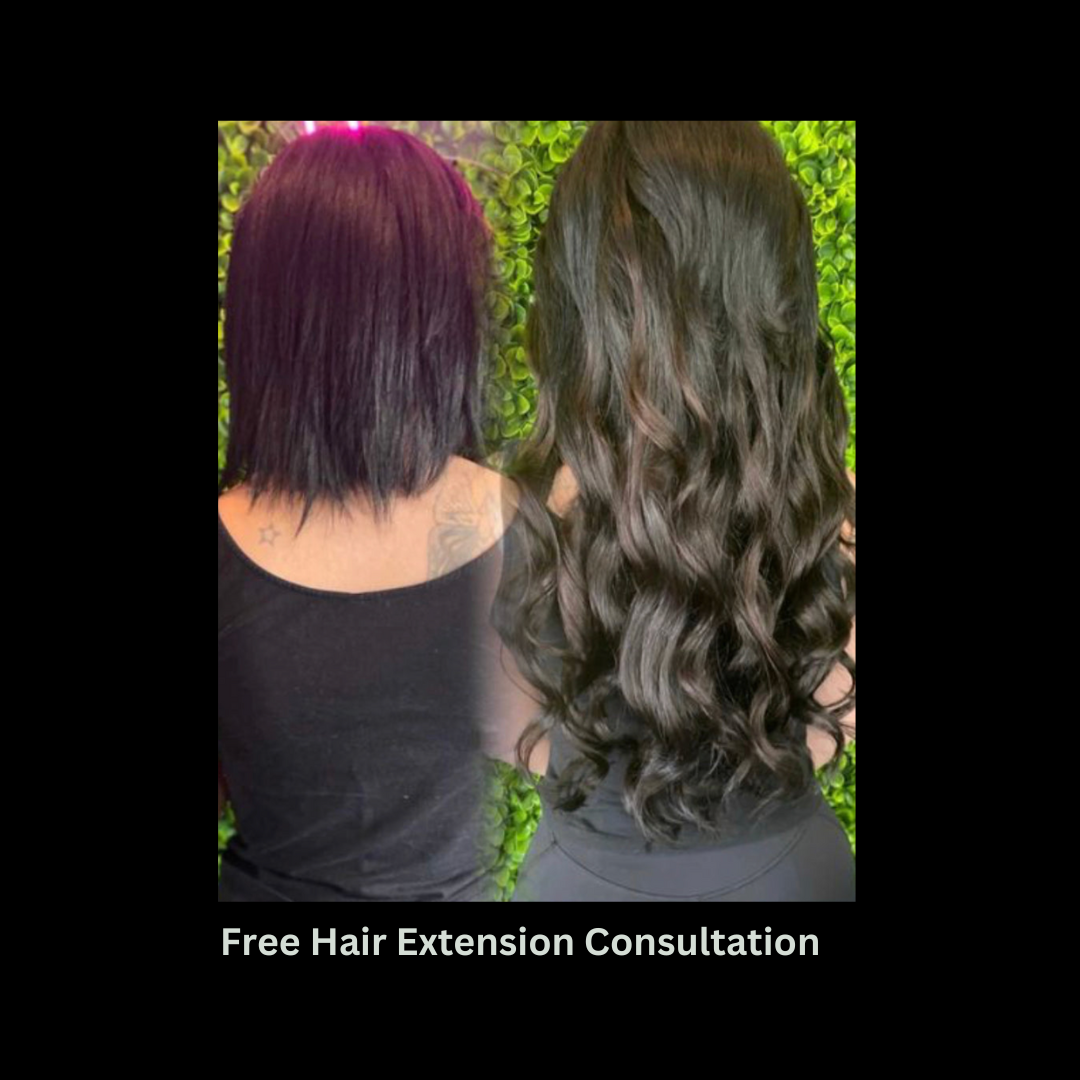
Extensions expand what’s possible. Want extra fullness, a dash of length for a braided moment, or color without commitment? Extensions make quick transformations achievable and reversible, supporting identity exploration at your pace. They can elevate a minimalist crop, amplify a tousled shag, or add contrast to a sharp undercut.
From creating micro bangs or a whisper fringe to building out an asymmetrical shape or soft wolf-inspired layers, extensions allow precise tailoring. With the right placement and blend, they can highlight eyes, soften angularity, or add structure where you want emphasis—so the cut feels designed for you.

How Extensions Can Transform Your Look
Craving instant change? Extensions can add volume to fine hair or bring dramatic length to short hair, and they’re great for trying different colors or textures without long-term processing. They also invite style shifts—sleek one day, sculpted curls the next, or a bold, asymmetrical pixie silhouette made fuller with strategic pieces.
Extensions help emphasize bone structure and facial balance, especially when used to build shape at the crown or soften along the jawline. Work with a skilled stylist at asalon to map placement that supports your goals and daily routine. You’ll walk out with a cohesive look that blends naturally and reflects your personal expression.
Choosing the Right Extensions for Non-Binary Styles
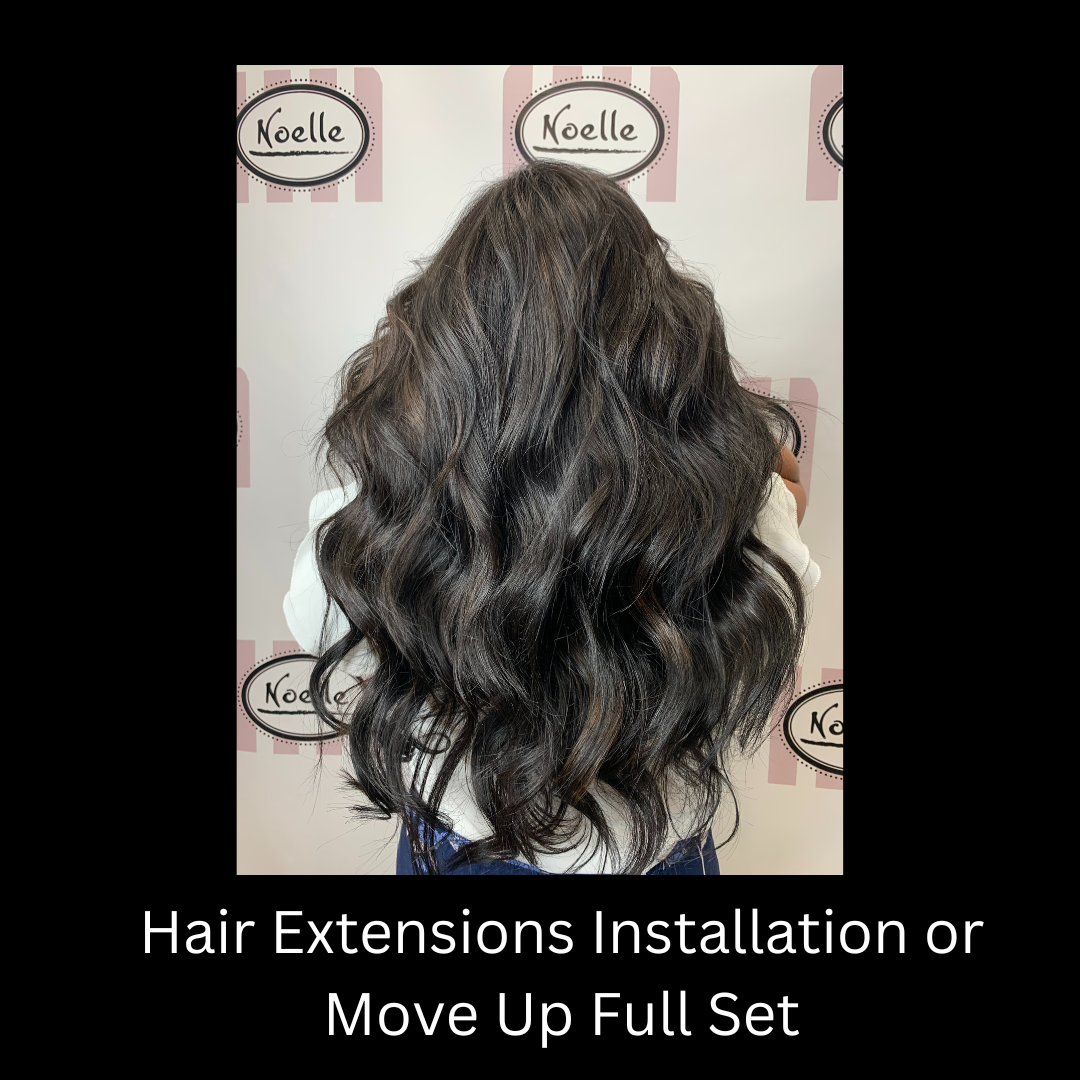
Selecting extensions that align with your hair goals is essential. Match texture for seamless movement, choose color blends that echo or artfully contrast your base, and consider your styling habits. Clip-ins are flexible and low-commitment for occasional wear or rapid changes, while tape-ins create a more sustained transformation with everyday ease.
Consulting a professional can refine your plan—density, strand placement, and maintenance cadence matter. Prioritize quality so your extensions look natural, feel comfortable, and hold up to daily styling. With the right choices, extensions become creative tools that keep pace with your evolving presentation.
Diving into Cool Hair Colors
Color is a statement and a mood. Many non-binary people gravitate to pastels, jewel tones, and metallics for their expressive impact. These choices can spotlight texture, reshape how a cut reads, or become the focal point of your look. Whether you’re after a luminous pastel bob, teal streaks through curls, or glimmering silver accents, color gives you language to signal energy and intention.
Strategic placement—panels, peekaboo sections, or gradient effects—lets you tailor intensity. Pairing color with shape can heighten contrast: a saturated crown above a tight fade, a vivid fringe on a shag, or jewel-toned layers that enhance movement. Color becomes part of the architecture of your style.
Breaking Gender Norms with Bold Colors
Bold hues can challenge expectations and reclaim space. Embracing vibrant color has less to do with category and more to do with resonance—what feels right on you. Saturated tones or high-contrast palettes can signal confidence, playfulness, or quiet rebellion. If you’re experimenting for the first time, try a contained pop—fringe, tips, or an underlayer—then scale up as you discover what you love.
Consider skin undertone and wardrobe palette as guides rather than rules. Most importantly, choose colors that support how you want to be perceived. Your hair can communicate power, softness, mystery, or joy—sometimes all in the same month.

Inspiration: Iconic Non-Binary Hair Styles
Looking for direction as you refine your cut or color? Draw from iconic androgynous silhouettes and then tailor them for your hair type, density, and lifestyle. Here are options many people adapt into non-binary presentations:
- Buzz cut: Pure shape, low maintenance, high impact. Great canvas for color or designs.
- Pixie and bixie: Feathered or choppy, with room to style sleek or tousled.
- Shaved sides with length on top: Flexible parting and height; easy to modulate daily.
- Wolf cut and shag: Movement-forward, perfect for waves and curls, thrives with texture.
- Bowl-inspired shapes: Graphic and modern when softened with layers or made edgy with weight removal.
- Middle-part with curtain bangs: Symmetry-enhancing and adaptable across lengths.
- Asymmetrical bob or pixie: Plays with balance and negative space for a contemporary feel.
- Natural texture focus: Coils, curls, and waves celebrated with shape-specific cutting and hydration.
Notable Figures and Their Signature Styles
Popular culture offers many examples of non-binary-affirming styles. Think bowl-inspired shapes, confident buzz cuts with shaved sides, and longer looks with curtain bangs or choppy layers that blend softness with edge; some artists, like Miley Cyrus, showcase this fluidity by shifting between cropped shapes, graphic fringe, and transformative color.
- Sam Smith: Cropped cuts and occasional vivid color—clean, confident lines.
- Janelle Monáe: Sleek pompadours and slicked-back undercuts—polished yet playful.
- Avery Jackson: Longer, textured bobs—classic lines with fluid movement.
- Jonathan Van Ness: Big, natural curls and length-forward looks that celebrate texture.
Use these touchpoints as starting places, not prescriptions. Borrow elements you like—texture, volume direction, color contrast—and adapt them to your features so your inspiration fuels a style that’s fully your own.
Popular Non-Binary Haircuts: Quick Picks
- Minimalist crop with faded sides for crisp structure and easy upkeep.
- Soft shag with face-framing layers to amplify movement and texture.
- Asymmetrical pixie that highlights cheekbones and jawline.
- Curly top with tapered sides to spotlight coils while keeping edges clean.
- Long layers with curtain fringe for balance and everyday versatility.
- Graphic bowl-inspired cut with subtle layering for a modern twist.
- Wolf cut that mixes volume at the crown with diffused edges.
Practical Tips: A Checklist for Choosing Your Style
- Face shape and features: Decide what you want to highlight or soften.
- Hair texture and density: Match the cut to how your hair moves naturally.
- Styling time: Be honest about daily routine and heat-tool use.
- Versatility: Prefer multiple modes (sleek/tousled/curly) from one cut?
- Color commitment: Explore semi-permanent or placement color if testing.
- Extension goals: Consider clip-ins for flexibility or tape-ins for longevity.
- Lifestyle and environment: Hats, helmets, workouts, or humidity all matter.
Maintaining Your Style
Good maintenance keeps your look intentional. Follow a schedule that respects your hair’s health, protect strands from heat, and trim thoughtfully to preserve shape. Use products that support your goals—lightweight hydration for fine hair, rich moisture for curls, hold for sculptural silhouettes, and shine agents for sleek finishes. When in doubt, consult a stylist who understands your identity expression and can align care with your presentation.
This research looks at the prevalence of LGBQ and transgender individuals in the United States using statistics from the Generations and TransPop studies. To keep your hair looking its best, follow a regular hair care routine and consult with a professional hairdresser who can provide personalized advice on maintaining your unique hairstyle. Use products that enhance your natural hair texture and help maintain its shape, whether you have long hair, curly hair, or thick hair. Regular trims from a skilled hairdresser are a great way to keep your haircut looking fresh and well-maintained, especially if you have short sides or an asymmetrical pixie. Protect your hair from heat damage by using heat-protectant products and minimizing the use of styling tools. By following these tips, you can ensure that your non-binary hairstyles continue to reflect your individuality and make you feel confident in expressing your true self. Additionally, if you are looking for a trans-affirming hairdresser, check out "Strands for Trans" for a directory of local professionals who support and cater to the trans community.

How often should you change your hair color to maintain its health?
Frequent color changes can stress hair. Ask a professional about a touch-up cadence that respects your hair’s condition and goals. Consider semi-permanent or temporary shades to reduce processing demands, and use color-safe shampoo and conditioner to preserve tone. Building recovery time between services helps prevent dryness and breakage while keeping your color vibrant.
Choosing Bold Colors with Care
When opting for dramatic shades, plan for upkeep. Porous or previously lightened hair may need more moisture and protein balance. Toning, glosses, and targeted masks can stretch time between services. If you’re testing the waters, start with a contained placement—fringe, underlayer, or accent panels—so you can assess how it feels and looks before committing to a full transformation.
Texture and Identity: Celebrating Natural Patterns
Embracing your natural texture can be deeply affirming. Sculpted cuts for curls and coils put movement first and reduce the need for daily heat. Diffusing can enhance volume, while finger-coiling, rake-and-shake, or twist-outs give definition. On straighter textures, strategic soft layering builds airiness without losing polish. The right cut makes styling feel like a choice, not a chore.
Extensions: More Tips for Building Custom Looks
- Clip-ins for experimentation: Great for trying length, volume, or bursts of color.
- Tape-ins for continuity: Ideal if you want a longer-wear transformation.
- Placement strategy: Add fullness at the crown, temple, or nape to rebalance shape.
- Blend smartly: Texture and tone matching keep the effect cohesive.
- Care routine: Gentle detangling, protective sleeping, and extension-safe products extend life.
Color Ideas to Spark Creativity
- Pastel gradients for softness: lilac into silver or blush into peach.
- Jewel-tone panels: emerald, sapphire, or garnet underlayers for drama.
- Metallic accents: chrome, rose gold, or pewter to highlight angles.
- High-contrast fringe: vivid bangs paired with a neutral base.
- Curly color mapping: lighter tones on curls’ outer curves to emphasize shape.
Questions to Guide Your Next Cut
- How much styling time do you want most mornings?
- Do you prefer structure (crisp lines) or softness (diffused edges)?
- Which facial features do you want to foreground?
- How important is the ability to switch between multiple looks from one cut?
- What role do color and extensions play in expressing your identity?
Care Basics for Longevity
- Heat protection: Always use a protectant before hot tools; lower settings when possible.
- Hydration plan: Balance moisture and protein based on texture and color history.
- Smart trims: Dust ends to keep shape crisp and prevent splits from traveling.
- Product fit: Choose hold, slip, and finish based on your hair’s density and goals.
- Night routine: Silk or satin accessories reduce friction and preserve definition.
Reflect and Refine Your Look
Hair is a conversation between how you feel and how you want to be seen. Periodically re-evaluate: Does your style still reflect you? Do you want more softness, more structure, or a different color language? Are there elements you once avoided that now feel exciting? As identity evolves, your hair can evolve with it—subtly or dramatically.
Engage Your Perspective
How do you think your hairstyle affects how others perceive your gender identity? What signals feel empowering to send, and which feel limiting? Using these reflections as a compass can make your next haircut or color choice even more affirming.

Conclusion
Non-binary hair is a powerful form of self-expression—one that challenges outdated norms and celebrates individuality. By exploring androgynous cuts, fluid shapes, customized extensions, and expressive color, you can create a look that feels aligned, authentic, and entirely your own.
As your identity evolves, your hair can evolve with you. The right routine, the right styling approach, and the right support make all the difference in maintaining a look that continues to feel affirming and intentional.
At a hair salon Boston specializing in gender affirming hair service Boston, we focus on creating personalized styles that reflect who you are—without limitations or assumptions.
If you’re ready to bring your vision to life in a supportive, expert environment, it’s time to book a gender affirming hair consultation and take the next step toward a style that truly feels like you


