



What are hand-tied hair extensions?
Hand-tied extensions are created by carefully tying strands of hair onto a thin weft by hand, resulting in a much finer, more flexible track compared to traditional machine-sewn wefts. This allows the extensions to lay flatter against the scalp, creating a more natural, seamless blend.
Another key difference is the quality of the hair itself. Most hand-tied extensions use Remy human hair, meaning the cuticle is kept intact and aligned in the same direction it naturally grows. This helps prevent tangling and keeps the hair smooth, soft, and manageable over time.
In contrast, non-Remy hair—often collected from brushes or mixed sources—can become dry, tangled, and difficult to maintain once the initial silicone coating wears off.
At Noelle Salon, specializing in hair extensions Boston, we focus on high-quality, properly sourced hair and expert placement to ensure your extensions not only look beautiful—but stay that way.
The Benefits of Beaded Sew-In Hand-Tied Hair Extensions
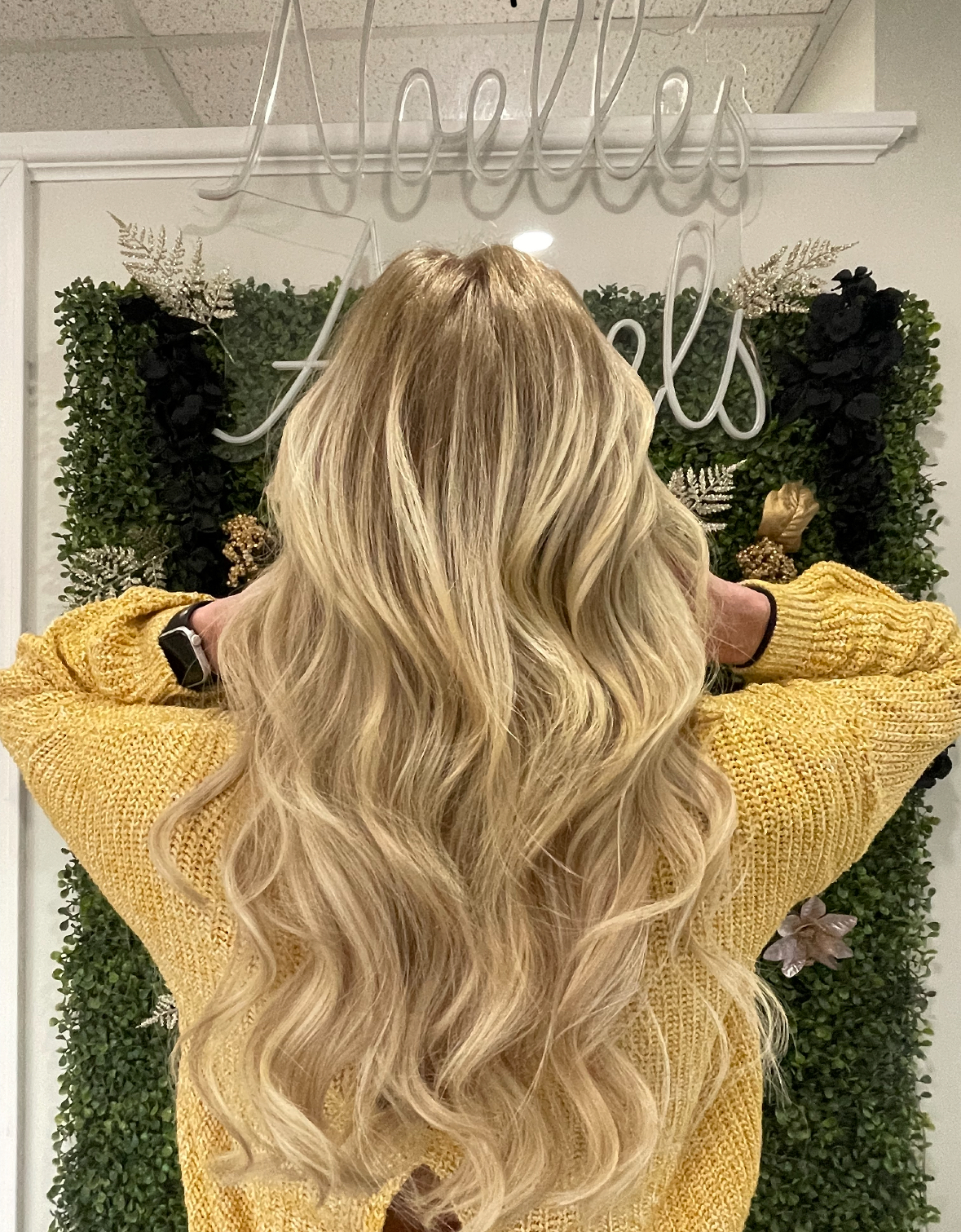
Hand-tied hair extensions have been used for decades. The most popular method takes several tracks of hair, sews them together (based on the client's needs and hair thickness), and links them into the hair using tiny micro links. For additional security, we sew through each link to ensure the hair does not move. Hand-tied hair extensions lay extremely flat and are undetectable in average-density hair. The hair is reusable, taken out and reinstalled every few months. Many of our clients love the fact that there is no glue or heat used in the application process.
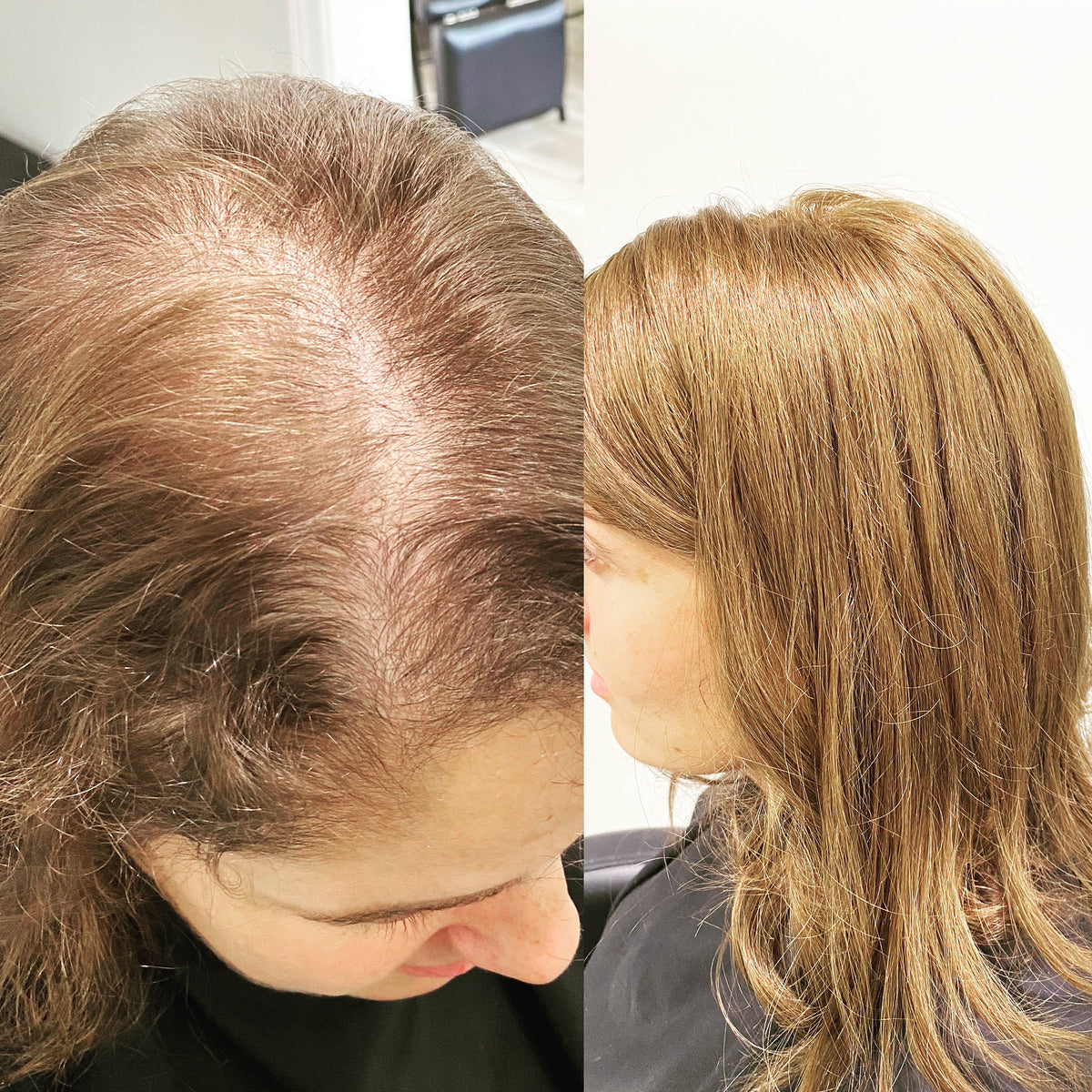
Hand-Tied Hair Extensions for Very Fine Hair
Hand-tied hair extensions are a game-changer for those with very fine hair. The lightweight nature of hand-tied wefts makes them ideal for blending seamlessly with thinner strands, providing natural-looking volume and length without weighing down the hair. Additionally, the flat lay of hand-tied extensions ensures they remain discreet even in delicate or sparse hair. For individuals with fine hair looking to enhance their locks, hand-tied extensions offer a safe and reliable solution that avoids damage from glue or heat commonly associated with other extension methods.
Understanding the Installation and Removal Process of Hand-Tied Extensions
Installing hand-tied extensions is a detailed process that requires precision and expertise. First, your stylist will prepare your natural hair by creating a foundation using small silicone-lined beads. These beads are secured to your natural hair with a bead threader, allowing for a secure hold without causing damage. Once the foundation is established, the hand-tied wefts are meticulously sewn onto the beads using a special stitching technique. This method ensures that the extensions lay flat against your scalp, providing a natural look.
When it's time to remove the hand-tied extensions, the process is quick and gentle. A certified stylist will open the beads with specialized tools and carefully detach the wefts, minimizing any potential stress on your natural hair. This process usually takes less than ten minutes, making it a hassle-free experience. After removal, the wefts can often be reused, provided they are well cared for, ensuring both the hair extensions and your natural hair remain in optimal condition.
Comparing Hand-Tied Extensions with Other Types
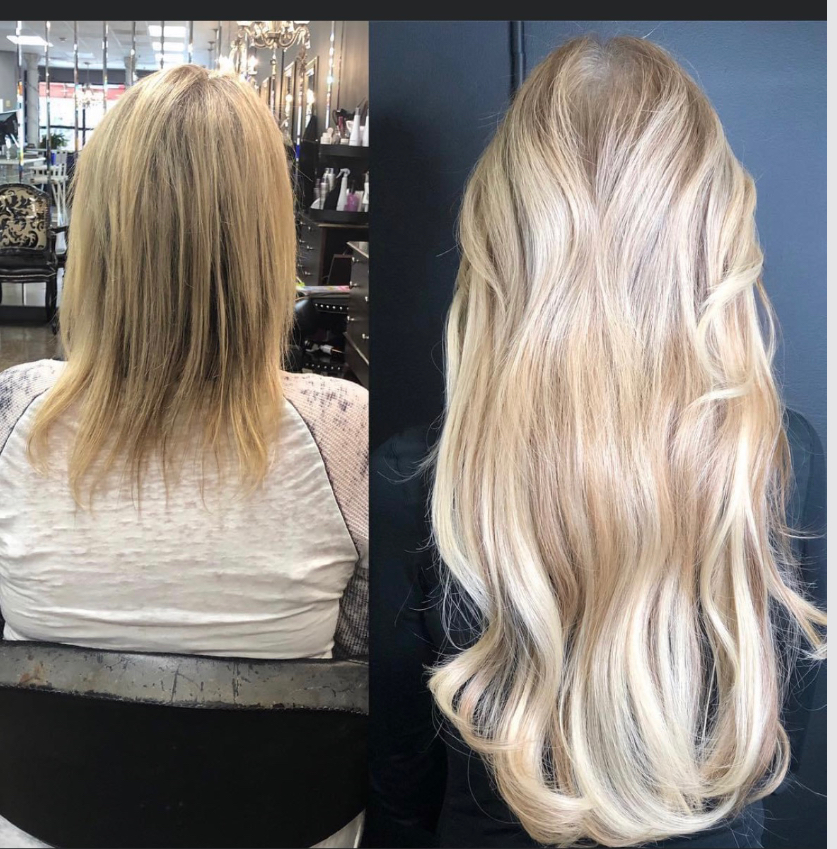
When comparing hand-tied extensions to other types of hair extensions, such as tape-ins or machine wefts, several key differences emerge. Hand-tied extensions are known for their lightweight and flat application, which allows for a more natural look and feel. Unlike tape-ins, which use adhesive to attach hair, hand-tied extensions are sewn into place, eliminating the risk of adhesive damage to your natural hair. This method is particularly beneficial for those with fine or thinning hair, as it reduces tension and stress on the scalp, providing a truly natural look.
Additionally, hand-tied extensions provide versatility in styling. With their discreet application, you can wear your hair in various hairstyles without worrying about visible tracks or beads. In contrast, machine wefts may be bulkier and more noticeable, especially in finer hair types.
Hand-Tied vs. Tape-Ins
| Factor | Hand-Tied Extensions | Tape-Ins |
|---|---|---|
| Application Method | Sewn onto beads | Adhesive strips |
| Comfort Level | Low tension, no heat | Moderate tension |
| Visibility | Undetectable | Can be visible |
| Maintenance | Every 6-8 weeks | Every 4-6 weeks |
| Hair Goals | Length and volume | Length, thickness, and hair color |
Hand-tied extensions differ significantly from tape-ins in several aspects. Primarily, the installation process involves sewing wefts onto a row of beads, which allows for a flatter and more natural appearance. This method is especially advantageous for those with fine hair, as it minimizes tension on the scalp and blends seamlessly with natural hair. On the other hand, tape-ins sandwich sections of natural hair between two adhesive strips, which can sometimes lead to discomfort or noticeable bulking.
When it comes to maintenance, hand-tied extensions typically require visits every 6-8 weeks, while tape-ins might need adjustments every 4-6 weeks due to the adhesive losing its grip. This factor can influence your decision based on how often you're willing to visit the salon for upkeep, especially considering the longer intervals between move-ups with hand-tied extensions.
Essential Maintenance Tips for Your Hand-Tied Extensions
Proper maintenance is crucial for ensuring the longevity and beauty of your hand-tied extensions. Use a sulfate-free shampoo and conditioner specifically designed for extensions. This helps preserve the integrity of the hair while preventing tangling. Additionally, make sure to detangle your hair gently, starting from the ends and working your way up to avoid damaging the wefts.
Schedule regular maintenance appointments with your stylist every 6-8 weeks. During these appointments, your stylist will reposition the extensions as your natural hair grows, ensuring that they remain secure and comfortable.
Evaluating the Cost and Quality of Hand-Tied Extensions
When considering hand-tied extensions, it's essential to evaluate both cost and quality to ensure you're making a wise investment. Hand-tied extensions typically range from $500 to $2,000 or more, depending on factors like the salon's location, the quality of the hair used, and the complexity of the installation process. It's crucial to select high-quality extensions made from 100% Remy human hair, as these provide the most natural look and feel.
Conclusion
Hand-tied hair extensions continue to stand out as one of the most natural-looking and versatile methods available—especially for clients who want seamless blending without added bulk or damage. From their lightweight feel to their ability to be reused and customized, they offer a long-term solution for achieving both volume and length while maintaining the health of your natural hair.
What truly makes the difference, though, isn't just the method—it's the quality of the hair, the precision of the installation, and the consistency of proper maintenance. When all three are done right, hand-tied extensions don't just enhance your hair—they elevate your entire look with comfort and confidence.
If you're considering hand-tied extensions and want to know if they're the right fit for your hair type and lifestyle, book a free hair extension consultation and we'll create a fully customized plan to give you the most natural, seamless results possible.


