

Hybrid Weft vs. Hand-Tied Weft: Understanding the Key Differences
Understanding Hybrid Weft and Hand-Tied Weft
Clients often ask, “What is the difference between a hybrid weft and a hand-tied weft?” To make it simple: a hand-tied weft is crafted by tying small bundles of hair to a thin thread by hand, creating an ultra-flat track that lays close to the scalp. A hybrid weft—sometimes called a “Genius weft”—is the newer generation of hair extensions, made by machine to emulate the thin, flexible profile of hand-tied hair while adding durability and custom-cut versatility. Have you ever wondered which type of hair extensions would fit your lifestyle, hair type, and styling goals best?
Hand-tied wefts have been trusted for nearly two decades for their comfort and discreet finish, and in the past were even used to create individual strand extensions because of their consistent quality. Hybrid wefts were developed later to deliver many of the same lightweight, seamless benefits—while addressing a few limitations that stylists and clients experienced with traditional hand-tied wefts. Below, we break down what each option offers so you can confidently choose the best path for fuller, longer, and beautifully blended hair extensions.
What is Hand-Tied Weft?
made of hair literally tied onto a micro string by hand. The weft is extremely small, flexible, and—when installed using a sew-in technique—sits close to the scalp for a nearly undetectable finish. Typical hand-tied hair extensions range in weight from about 18 to 24 grams per weft depending on whether the hair is double drawn (fuller from root to tip) or single drawn (a more natural taper). The amount of hair used varies with each client’s density; thicker natural hair usually requires more rows and more wefts than finer hair to achieve a balanced, blended result.
Because the wefts are very thin, multiple hand-tied wefts can be safely stacked to add fullness without creating bulk, and mixing shades across stacked rows makes it easy to achieve a seamless color blend. Many customers favor the hand-tied method because the track is flatter and easier to hide, delivering a comfortable feel that is especially appreciated by those with fine or medium hair. Compared to machine wefts of earlier generations, which were two to three times thicker, hand-tied wefts tend to be gentler in delicate hair and produce a softer, lighter grow-out.
Who benefits most from hand-tied wefts? Clients who want a barely-there feel, those who prioritize an ultra-slim track for high ponytails or updos, and anyone who enjoys a soft, moveable finish often gravitate to this type of hair extensions. Stylists can customize the number of rows and hues for exact color matching, and the stacked, micro-thin design supports a natural look even when adding noticeable volume or length.
Pros and Considerations for Hand-Tied Wefts
Pros of hand-tied wefts
- Ultra-thin, flexible track that’s easy to conceal and comfortable to wear.
- Lightweight feel, ideal for fine to medium hair types seeking discreet hair extensions.
- Excellent for stacking and mixing colors to fine-tune dimension and blend.
- Soft movement that mimics natural hair flow after a proper sew-in application.
Considerations for hand-tied wefts
- Wefts cannot be cut; cutting causes unraveling and eventual shedding if not handled correctly.
- Return hairs (the short “hair beard” near the stitch line) may feel itchy to some and can tangle into natural hair if not maintained.
- Less durable for repeated reuse compared to newer machine-made options when installed and removed frequently.
What is Hybrid Weft? (Genius Weft)
What if you could choose a hair extension that blends seamlessly like a hand-tied weft but offers more strength, custom sizing, and a smoother finish near the scalp? That is the promise of the hybrid weft. The hybrid weft was created to deliver all the benefits of hand-tied hair with several key enhancements that matter in day-to-day wear and during maintenance cycles.
1) Since Hybrid Weft hair extensions are made by a machine, they are stronger than hand-tied hair and will last longer when re-used. This added resilience supports repeated installations, careful removals, and regular styling routines without sacrificing the micro-flat look clients expect from premium hair extensions.
2) Hybrid hair extension wefts do not have return hairs (a.k.a. “hair beard”). The lack of return hair reduces scalp irritation and the chance of short hairs tangling into your natural hair, improving comfort for sensitive scalps and making the base of the weft feel smoother against the head.
3) The hybrid hair extension weft can be cut, while hand-tied hair extensions will unravel when cut. If a stylist accidentally trims a hand-tied weft, the weft can be compromised and begin to shed, often rendering it unusable over time. Because a hybrid weft can be cut, your stylist can tailor the width of each track to match the exact shape and size of the head, creating a clean, custom application and efficient placement from temple to nape.
4) The hair extension wefts contain more hair per square inch since they are double drawn. You can still stack hybrid wefts to mix colors and increase density, but you will also get a fuller look from each individual track. They are sold in 120-gram packages, which helps reduce waste and streamlines ordering for a comprehensive install when planning a full transformation.
The major difference between hybrid wefts and hand-tied wefts is longevity. Hybrid wefts are more resilient, will not shed as quickly as hand-tied wefts, and still deliver the advantages of a micro-thin, flexible track. For clients who want the featherlight feel of hand-tied with durability engineered for repeated reuse, the hybrid weft offers a compelling balance.
Pros and Considerations for Hybrid Wefts
Pros of hybrid wefts
- Stronger construction for extended reuse without sacrificing a slim profile.
- No return hairs for a smoother, more comfortable base against the scalp.
- Can be cut to precise widths for fully customized placement and clean finishes at the edges.
- Double drawn density provides more fullness per track while still allowing color stacking and blending.
Considerations for hybrid wefts
- Although micro-thin, hybrid wefts may feel slightly different than traditional hand-tied due to construction; consultation helps set expectations.
- Installation still requires a skilled sew-in technique to achieve the flattest, most secure result.
- Choosing high-quality hair remains essential for longevity, movement, and a natural finish across maintenance cycles.
Real-world scenario: how hybrid wefts can help
Imagine a client with fine hair who wants seamless volume through the mids and ends, plus a flawless blend around the face. A hybrid weft can be cut into shorter segments to follow the natural curve of the head, then stacked in strategic zones for fullness without a bulky ridge. The lack of return hairs helps minimize itch, and the double drawn structure ensures consistent thickness from root to tip, producing a uniform, polished look that still feels airy and light.
Hand-Tied Hair Hybrid Weft

Installation Methods
How crucial is it to tailor your hair extension application to individual hair types? Extremely. With both hand-tied wefts and hybrid wefts, the sew-in method and row mapping should reflect your hair’s density, strand thickness, scalp sensitivity, and styling preferences. The number of rows, placement of anchor points, and distribution of weft weight determine how naturally your hair extensions move and how comfortable they feel day to day. Thicker natural hair typically benefits from more rows and more wefts to achieve balanced fullness, while fine hair may call for lighter stacking and careful color placement to maintain a discreet line of demarcation.
For those seeking a mixed-method approach, we also offer the “hybrid application,” which allows us to combine several hair extensions methods on one head. This is different from the hybrid weft itself. The hybrid application technique lets us tailor coverage and weight across zones—using, for example, micro-thin sew-in rows where the hairline is fragile and fuller placement where more density is needed—to match each client’s unique hair texture and goals.
Color Matching and Customization
Both hand-tied and hybrid wefts are excellent for blending multiple shades, lowlights, and highlights to achieve a precise color match with the natural hair left out of the extensions. Because the tracks are thin, stylists can stack hues to add dimension without creating a heavy feel. Clients enjoy freedom to style: wear hair smooth with a flat iron, air-dry for a natural wave, or embrace curls. The key is choosing high-quality hair extensions so the movement, shine, and longevity remain consistent through everyday styling.
Longevity and Maintenance
Hand-tied wefts are prized for comfort and a super-slim base; hybrid wefts build on that comfort with increased resilience and a smooth edge free of return hairs. If you are sensitive to irritation or want an option that can be reshaped by cutting the weft to size, the hybrid weft offers clear advantages. If your top priority is an ultra-fine track and a whisper-light feel, hand-tied wefts remain a beautiful choice. In both cases, expert installation and proper maintenance appointments are essential for lasting wear.
Pricing and client experience
If you have experienced a difficult time with hand-tied hair extensions, we strongly recommend trying the hybrid weft. In our salon, client feedback has been favorable, and hybrid wefts are often the preferred hair used in the sew-in method of hair extensions. The price of hybrid wefts is the same as hand-tied hair extensions, making it easier to choose based on comfort, longevity, and maintenance preferences.
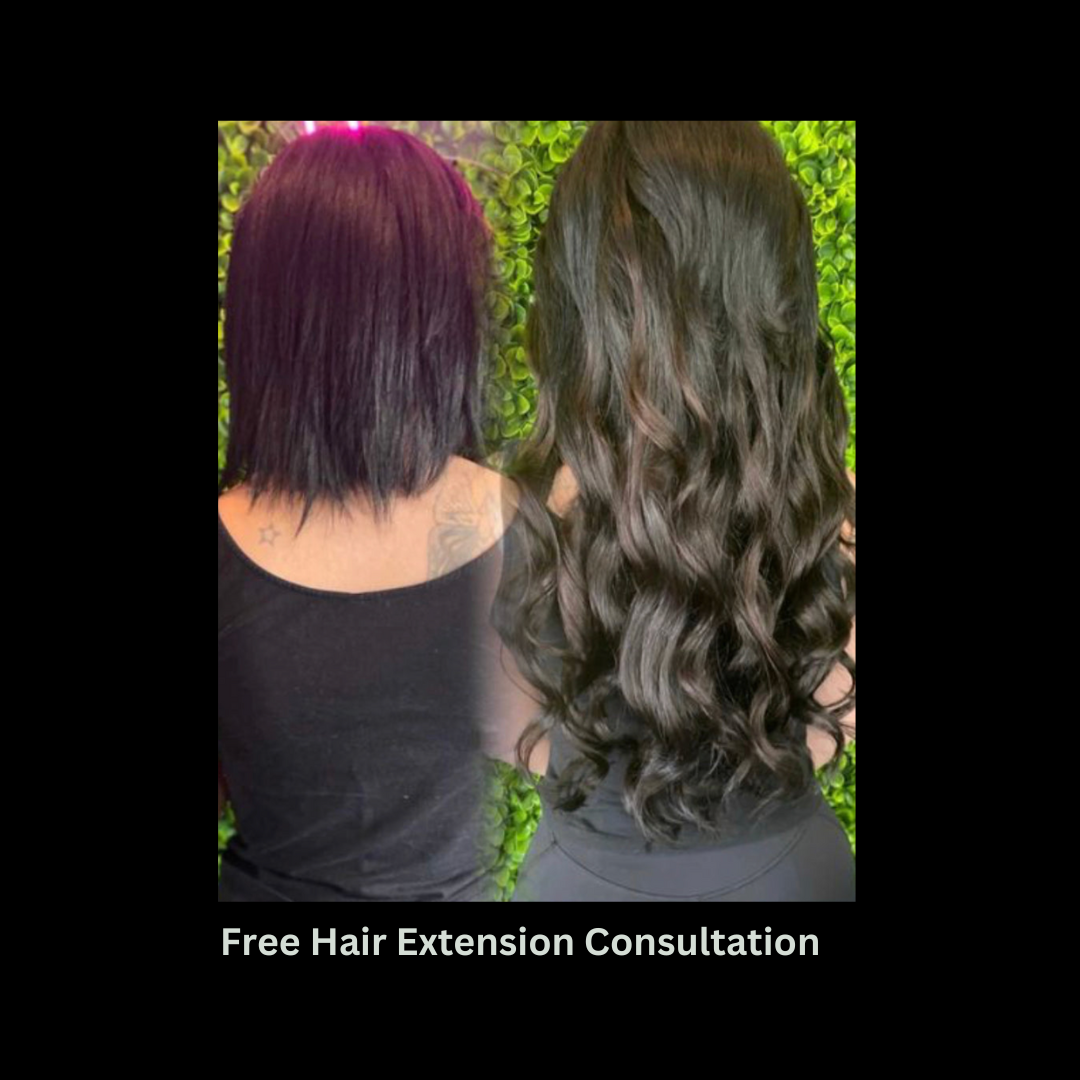
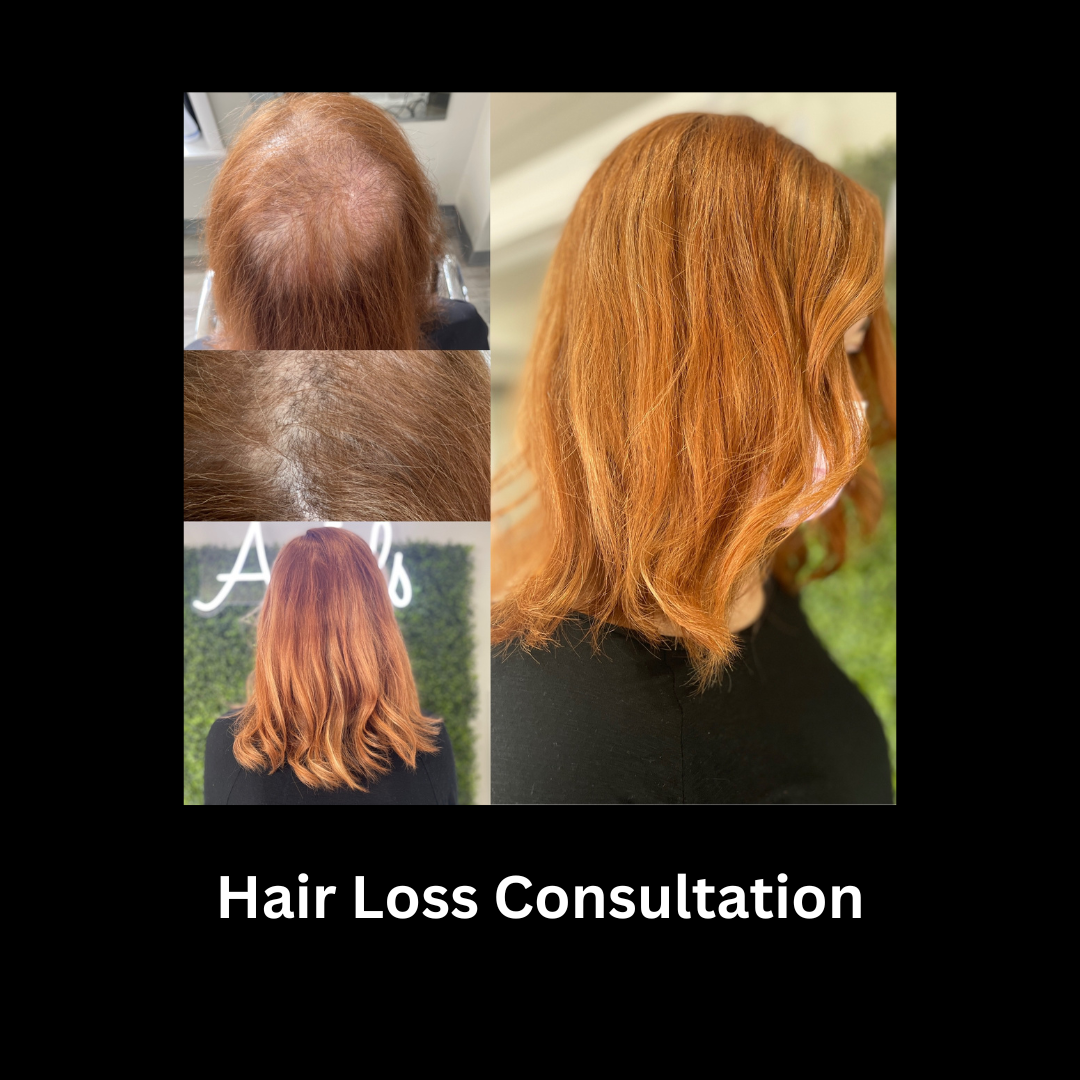
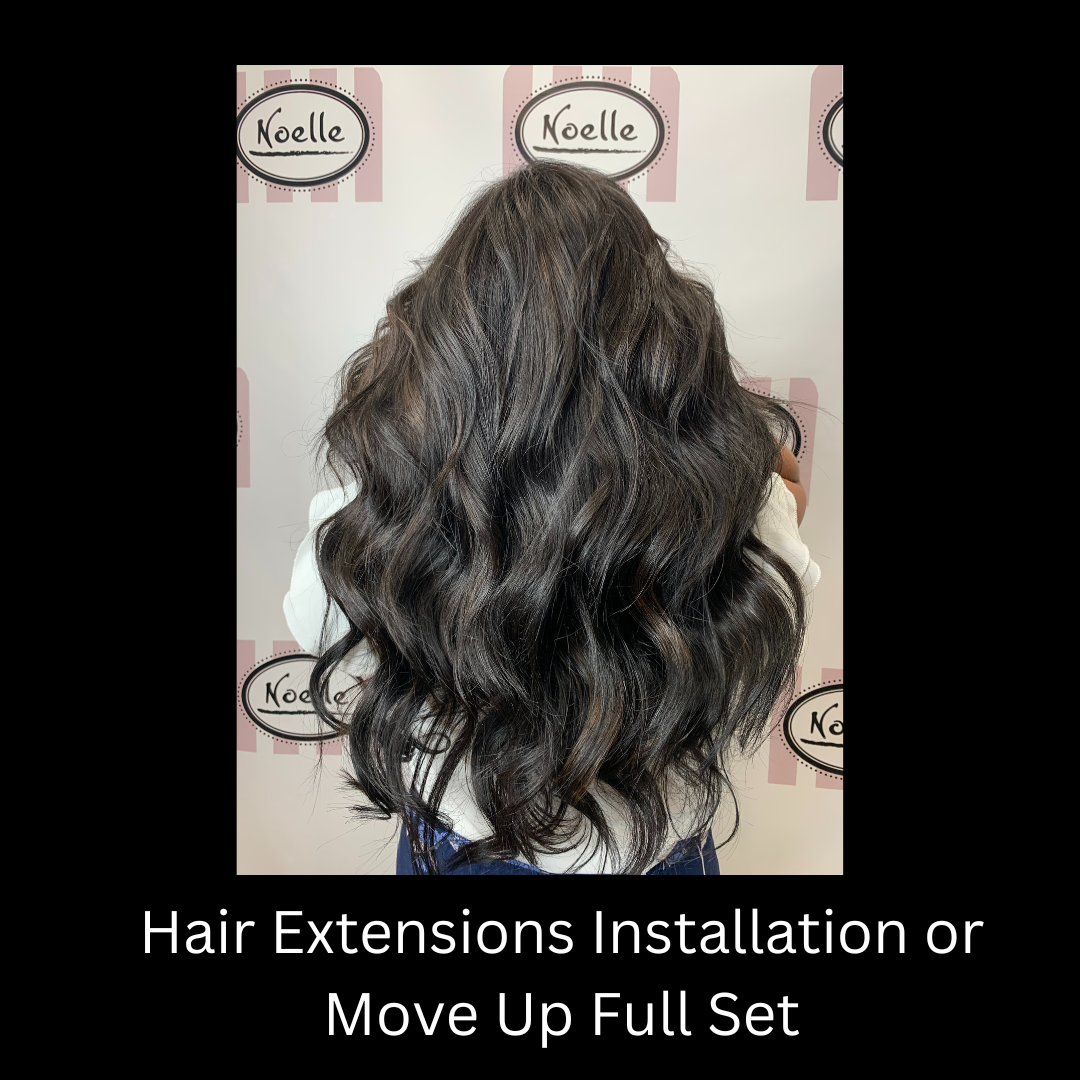
With amazing results, this is how your hair could look!

Hair quality and consultation
As with all hair extension methods, choosing premium hair is the best path to natural movement and longevity. We stock both Remy and virgin hair, widely considered among the best options in the industry. During a free consultation, we evaluate your natural hair, discuss styling goals, select the ideal shade, and determine the most suitable method—hand-tied weft, hybrid weft, or a thoughtfully planned hybrid application. You can see, touch, and feel the hair before installation, and same-day application is available when appropriate.
Final Comparison
- Look and feel: Both offer a slim, low-profile track; hand-tied is featherlight, hybrid is smooth with no return hairs.
- Customization: Hand-tied stacks beautifully but cannot be cut; hybrid can be cut to size for precise shaping.
- Durability: Hybrid generally offers enhanced resilience for reuse; hand-tied delivers time-tested comfort with careful maintenance.
- Color blending: Both allow multi-shade stacking for a seamless match to natural hair.
- Ideal candidates: Hand-tied suits clients prioritizing a super-flat track; hybrid suits those wanting added durability and a beard-free base.
Conclusion
Hand-tied wefts and hybrid wefts both provide beautiful, discreet hair extensions with a natural look. Hand-tied wefts excel in ultra-thin comfort and effortless stacking for color dimension. Hybrid wefts carry those benefits forward while adding strength for reuse, a beard-free base to minimize irritation, and the ability to cut the weft for truly custom placement. Not sure which is right for you? Reach out to schedule a consultation so we can evaluate your hair, discuss your routine, and tailor the perfect plan for seamless length and volume.
Also Read: Ultimate Guide: Types of Weave Extensions
Hair Extensions Background
At Noelle Salon, we evaluate your natural hair and listen closely to your styling goals, color preferences, and desired finish. We use human hair extensions such as 100% Remy human hair or virgin hair (unlike Bellami hair). Hair extensions can enhance short hair or deliver dramatic length—whether you want everyday wear or a special-event transformation—and we work with a variety of methods including tape-in extensions, clip-in hair extensions, Keratin, and our Pull-thru Veila Hair Extensions, which are designed for easy at-home hair care. Styling can range from sleek with a flat iron to embracing your natural curl pattern. If you want a one-day change like a clip-in ponytail, a high-quality ponytail extension offers an instant refresh. With proper protective styling and regular maintenance, your natural hair journey and hair growth can be supported while enjoying the versatility that hair extensions provide. You can change your look in a single appointment—feel free to reach out and explore the possibilities.
Final thought for salon owners
Have your clients expressed any preferences between hybrid and hand-tied wefts? Noticing patterns in comfort, longevity, and satisfaction can help refine consultation questions and guide clients toward the best-fitting option for their hair type and lifestyle.


