

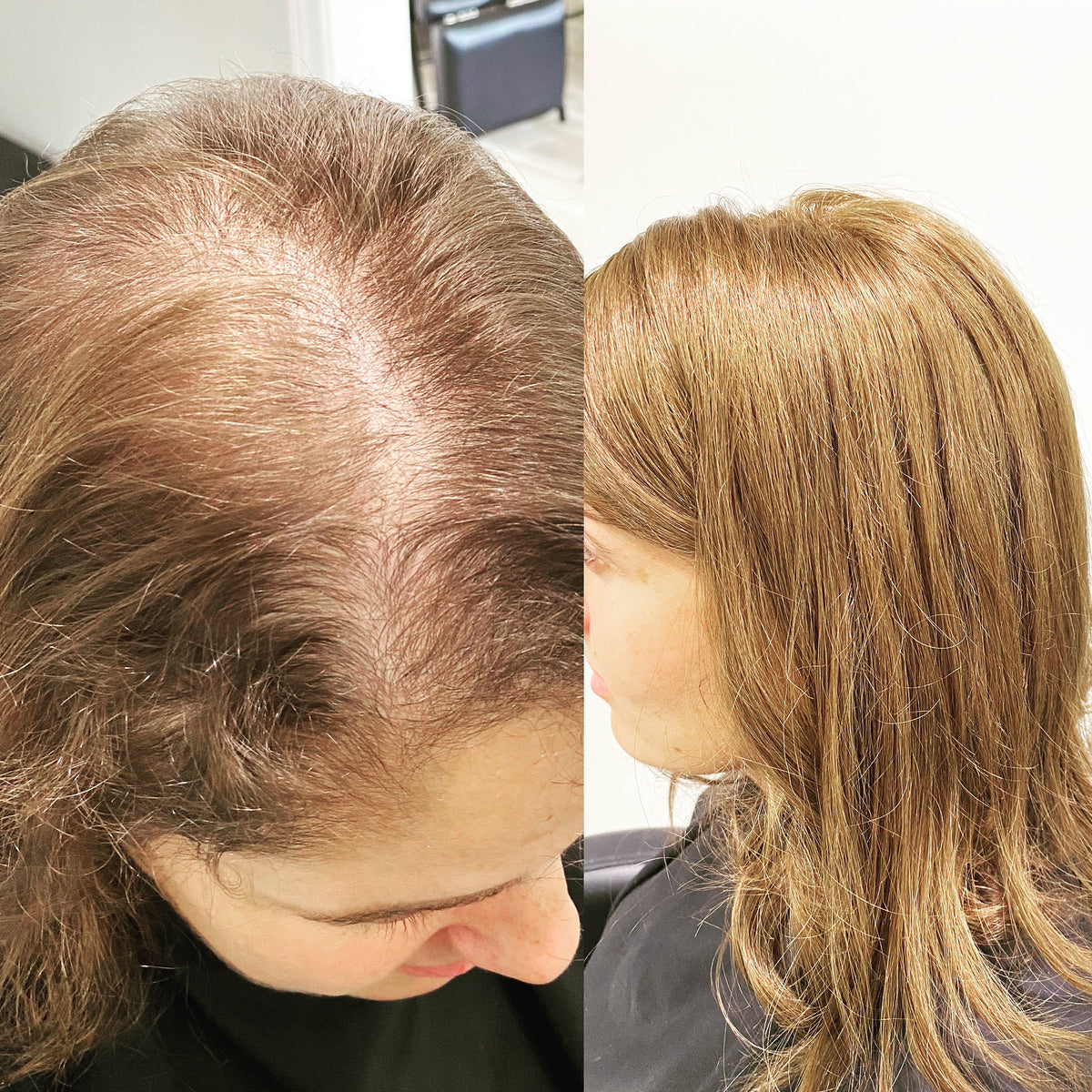


Understanding Why Hair Extensions Turn Orange: Effective Solutions to Preserve Your Look
Warm weather, pool days, and tropical getaways often bring a surprising concern: some clients notice their natural blonde hair extensions taking on orange or even pinkish hues. This shift shows up most on light shades—think medium blonde through the palest blonde—where any underlying warmth becomes more visible. These are classic signs of brassy extensions after sun or pool exposure. This guide is organized into two parts—first the causes, then the solutions—so you can quickly move from understanding the issue to prevention and correction. At Noelle Salon use only the finest hair extensions in Boston that do not change in color easily.
Understanding the Causes of Hair Extension Discoloration
Before diving into details, here’s a quick overview of the most common triggers:
- Quality and Origin of the Hair: Many extensions start as darker hair that’s lightened, which can expose inherent red/orange/pink pigments over time.
- Environmental Factors: Sun exposure, chlorine from pools, saltwater, and hard water minerals accelerate pigment shift and buildup.
- Product Interactions: Self-tanners and certain sunscreens can react on porous, lightened hair, leading to orange or pink staining.
Quality and Origin of the Hair
One frequent reason is the quality and origin of the hair itself. Many extensions begin as darker hair that is lightened through a chemical process before being toned to the desired shade—often with a fabric dye system. When the cuticle is stripped or overly processed, the innate red, orange, or pink pigment that lives beneath the surface can show over time, especially after the protective silicone coating washes away. Understanding processing helps with color correction for extensions when warmth resurfaces.
To make this more relatable, imagine a scenario: a client spends a week by the ocean, diligently wearing hats but also applying rich body sunscreen and a fresh self-tanner. By the time she’s home, her once-icy extensions appear peachy, with a faint blush near the ends. She hasn’t changed shampoos, but her environment, products, and exposure did—highlighting how fast discoloration can sneak in.
Caption: Light blonde extensions can skew orange after sun, saltwater, or product exposure.
Product Interactions (Self‑Tanner and Sunscreen)
One major culprit is self-tanner from spray tans or store-bought self-tanning products. Most self-tanners use DHA, a compound that reacts with the skin’s outer layer to create a bronze effect. When it transfers onto blonde extensions, it can deposit a warm, peachy cast.
Another common trigger is sunscreen—specifically formulas containing Avobenzone (Butyl Methoxydibenzoylmethane), a chemical UV filter that helps absorb UVA rays. On light hair, Avobenzone can interact with minerals, salt, or chlorine, leading to visible orange or pink discoloration. In simple terms, it’s the protective sunscreen chemistry mingling with environmental elements and landing on porous, lightened extension hair.
Clarifying the chemistry: Avobenzone is a UVA-absorbing sunscreen filter that can oxidize on porous, lightened hair—especially in the presence of minerals, salt, or chlorine—and leave orange or pink staining. Self-tanners rely on DHA (dihydroxyacetone), which can transfer to extensions and react on the hair surface, subtly bronzing blonde fibers.
Prevention helps. Coat your hair with fresh water before swimming to create a light barrier that reduces absorption of Avobenzone, chlorine, and salt. Tie hair up, use protective accessories, and keep leave-in conditioner on hand to add slip and reduce contact.
Effective Solutions to Prevent Hair Extensions from Turning Orange
Match each cause to a clear action so solutions are easy to apply:
- For Quality Issues: Regularly assess the condition of your extensions and choose higher-grade hair that maintains color stability.
- For Environmental Protection: Wear UV-protective hats and use products designed to shield hair from sun, chlorine, and salt exposure.
- For Product Interactions: Avoid direct contact with self-tanners and sunscreen, or use protective sprays formulated for extensions.
How to Correct Existing Discoloration (orange or pink hues)
If poor hair quality is at the root of the issue, darkening the extensions can be an option, but very porous hair often resists even professional treatments and may not hold toners evenly.
When discoloration stems from self-tanner, Avobenzone, minerals, or hard water, begin by removing buildup. A trusted salon option is a Malibu C treatment. This gentle, professional chelating service helps lift mineral and product deposits from the hair without aggressive stripping. It’s widely used to address mineral-heavy hard water—where calcium and magnesium are frequent offenders—and can refresh both natural hair and extensions.
A milder at-home step is a clarifying shampoo, but it should be used sparingly to avoid dryness. Follow with a deep conditioning mask to restore softness, and consider scheduling your first clarifying session with a stylist so they can gauge how your extensions respond.
Once buildup is removed, a gentle toner or a carefully chosen blue shampoo or best purple shampoo for extensions can neutralize warmth. Blue targets orange, while violet targets yellow; some formulas include ash pigment to enhance cool tones. Always strand test first, especially near the top of the hair extensions, to confirm timing and intensity. After neutralizing, use a nourishing hair mask to help reseal the cuticle and maintain softness.
Maintenance Tips: Managing Environmental Exposure
Environment plays a powerful role in color stability, especially for blonde hair extension care. Prolonged sunlight can break down pigment and exaggerate brassy tones. Pools introduce chlorine, and the ocean brings salt—both can roughen the hair surface and leave deposits. Heat styling and mineral-heavy water compound these effects, accelerating dullness and warmth.
Being proactive helps. Rinse with fresh water before swimming, secure hair in a braid or bun, and apply a leave-in with slip to reduce contact with water. After exposure, rinse again, cleanse gently, and condition to restore balance. These simple moves are part of protecting hair extensions from the sun, salt, and chlorine.
The Role of Minerals and Water Quality
Water quality is a quiet but potent factor. In regions with hard water, calcium and magnesium can cling to hair, building a film that dulls brightness and nudges color warmer. Salt water can compound the effect by dehydrating hair and leaving behind residue, especially on already-porous extensions. Over time, this accumulation interacts with products and UV exposure, tilting tones toward orange.
Installing a shower filter can reduce mineral deposits on extensions and help preserve a cooler hue. Occasional chelating treatments—such as a Malibu C Hard Water service—can remove stubborn buildup and revive shine. Between services, a gentle, sulfate-free routine will keep hair comfortable while avoiding over-stripping.
Think of water types and their impact this way: hard water tends to cause discoloration and a lackluster finish, while a quick rinse with clean, fresh water before a swim limits the absorption of minerals and salts. For hard water, use a compatible filter, clarify periodically, and replenish moisture afterward; for pool or ocean exposure, pre-rinse, secure hair, and follow with a thorough fresh-water rinse and conditioner.
In short, managing water quality and mineral exposure supports the vibrancy and feel of your extensions, helping them stay bright, soft, and consistent.
Protective Products and Techniques for Sun and UV
Sunlight and UV exposure can degrade pigment in lightened strands, leading to the discoloration of luxurious hair extensions. UV rays penetrate the hair shaft and break down color molecules, leaving hair faded, brassy, and more fragile over time. When finely toned blonde extensions spend hours in direct sun, warmth becomes more prominent, and orange or pink tones can surface.
To counteract this, use styling products formulated with UV filters, wear hats or scarves during peak sunlight, and avoid placing extensions in direct sun to dry. Pair these habits with regular conditioning to maintain elasticity. These straightforward hair extension care tips make outdoor time less risky for tone.
Caption: Shade and UV-filtered products help preserve blonde tones outdoors.
Protective Products and Techniques
Silicone-based serums can create a micro-barrier against UV exposure and environmental stress, helping extensions retain moisture and a smoother cuticle. They also add slip that reduces tangling and friction—two contributors to surface wear that make warmth show more quickly.
Nourishing oils like argan or coconut oil can soften and condition ends, limiting dryness that amplifies brassiness. Focus application from the mid-lengths down to avoid loosening attachment points. Combine this with minimal heat styling and consistent conditioning to keep hair resilient.
When you know you’ll be outdoors, plan ahead: secure hair, use UV-aware products, and carry a soft brush to detangle gently. Small, steady habits prevent cumulative damage that later requires more aggressive correction.
Caption: Avobenzone and self-tanner residue can cling to blonde extensions and shift tone.
Maintenance Tips
Day-to-day care heavily influences color stability. Over-washing, harsh shampoos, frequent high heat, and incompatible styling products can all increase porosity and expose warm undertones. Light or blonde extensions—already processed to remove darker pigment—are most at risk.
Opt for sulfate-free shampoos and conditioners made for color-treated hair to reduce stripping. Gentle washing preserves the topcoat and helps cool toners last longer. If you color your natural hair, avoid overlapping permanent dyes onto extension hair, which can push warmth and cause uneven results.
Consequences of Improper Hair Extension Storage
Storage matters. Sunlit windowsills, steamy bathrooms, and fluctuating temperatures can fade, oxidize, or warp hair, while moisture invites unwanted odor or microbial growth. Storing extensions flat or loosely coiled in a breathable bag—such as silk or satin—minimizes friction, helps preserve the cuticle, and supports long-term color integrity.
Always ensure extensions are clean and fully dry before storing. Brush gently from ends upward, secure wefts or pieces to avoid tangling, and tuck away from direct heat sources. Thoughtful storage reduces stress on fibers, so toners and masks you invest in last longer.
Combine these habits with periodic professional check-ins. A stylist can spot early signs of porosity, recommend targeted masks, and fine-tune maintenance to your lifestyle, preventing minor warmth from becoming a bigger correction.
Actionable Steps to Prevent and Correct Orange Tones
Prevention and correction work best together. Consider this priorities list and choose what fits your routine:
- Pre-swim prep: Rinse with fresh water, apply a leave-in, and secure hair; post-swim, rinse well and condition to help prevent extensions from turning orange.
- Sunscreen awareness: If Avobenzone appears on your label, keep hair off the neck and shoulders, and cleanse gently at day’s end. Have you tried applying sunscreen before styling so it fully absorbs first?
- Self-tanner strategy: Apply carefully, let it set fully, and avoid direct contact with hair; sleep with hair up to limit transfer. Do you notice transfer around your hairline the morning after tanning?
- Water quality management: Add a shower filter and schedule periodic chelating services; follow with hydrating masks. Would setting a reminder for a quarterly treatment help?
- Targeted toning: After clarifying, use blue formulas or the best purple shampoo for extensions suited to your visible warmth; strand test to dial in timing—a simple color correction for extensions step.
- Gentle daily care: Choose sulfate-free cleansers, minimize heat, and use protective serums and oils on mid-lengths and ends—everyday hair extension care tips that preserve tone.
Example User Journey
Consider a client returning from vacation who finds her extensions brassier than ever. She takes three simple steps:
- She checks the quality of her hair extensions and decides to invest in a higher-grade product.
- On her next vacation, she wears a wide-brimmed hat to minimize sun exposure and applies a UV protectant spray.
- After avoiding contact with tanning products, she notices improved vibrancy and better color retention when she returns home.
By stacking small, consistent habits, you support color longevity and reduce the need for strong corrective services.
Conclusion
In conclusion, hair extensions can turn orange due to hair quality, interactions with self-tanner and Avobenzone-based sunscreen, and environmental exposure (sun, chlorine, salt, and hard water). Understanding these causes empowers you to take proactive steps in care and protection to maintain the vibrancy of your extensions.
Remember to audit product labels, build a simple pre-/post-exposure routine (fresh-water rinse, gentle cleanse, conditioner), manage hard water with periodic chelating care, and work with a trusted professional; when buying, consider virgin remy (one-donor) hair from reputable sources. A concise summary like this reinforces the key points for better retention—so you’re equipped to prevent and correct discoloration. What steps will you take today to protect your hair?
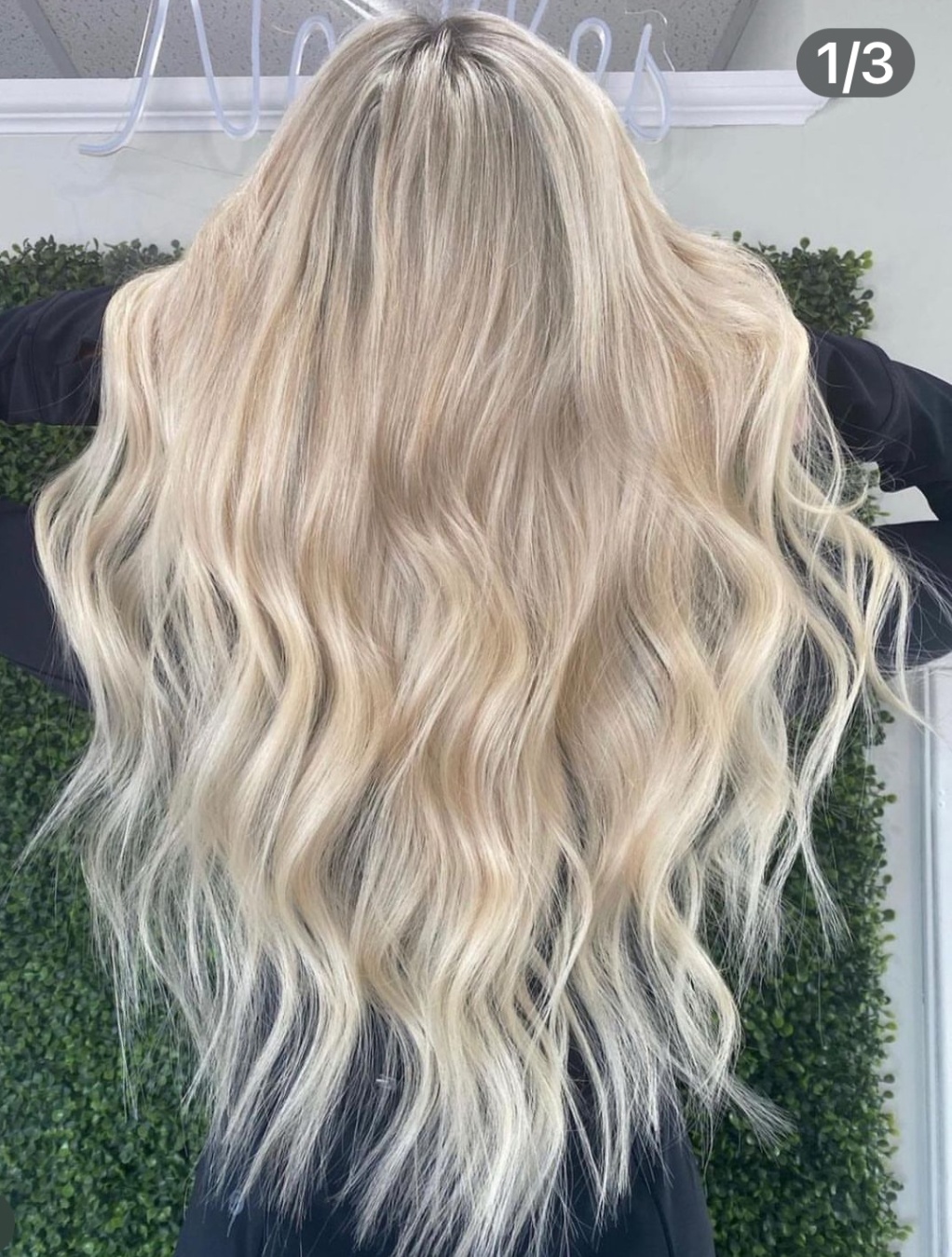
About Noelle Salon
At Noelle Salon, the team evaluates your natural hair and listens closely to your goals for styling, color match, and overall look. They use human hair extensions such as 100% Remy human hair or Virgin Hair, and work with different methods including tape-in extensions, clip-in hair extensions, Keratin, and the Veila Pull-thru technique with Veila Hair Extensions for easy maintenance. Whether your style calls for flat ironing, natural texture, or defined curls, their approach supports your day-to-day routine. Looking to change your style for a day with a Clip-in ponytail or build fullness for longer-term wear? With protective styling and regular upkeep, extensions can complement your natural hair journey and growth—including maintenance for blonde extensions. What look are you hoping to create next—and how can expert guidance make the process seamless? Meet with us at a free hair extension consultation where we will personalize the perfect extensions for you.


