



How Hair Extensions Work
Hair extensions are one of the most effective ways to add length, volume, and fullness—but understanding how they actually work is key to choosing the right method.
For clients searching for hair extensions Boston, different extension types, application methods, and hair qualities all impact how natural the final result looks and how long it lasts.
From temporary options like clip-ins to long-lasting methods like keratin bonds and wefts, each type of extension works differently depending on your hair type and goals.
What are hair extensions, and how do they work?

Hair extensions are individual strands added to your natural hair, made from either human or synthetic hair, designed to boost the length, volume, or fullness of your natural hair. They can be applied in several ways, including clip-ins, adhesive tape, microbeads, keratin bonds, or by sewing them onto braided sections of your hair.
For the most natural look, extensions are carefully matched to your hair’s color and texture, and often applied in fine strands to blend seamlessly.
Let's take a look at how different hair extensions work:
How Do Hair Extensions Work on Short Hair?

Extensions can work well on short hair, but blending is key for achieving the desired hair length effect. If your hair is shorter than shoulder length, choose extensions that match your color and texture exactly.
Layered or blunt cuts may make the transition between natural and added hair more visible, so ask your stylist to trim the extensions after installation for a smoother blend.
What are the best options for short hair?
-
Tape-ins
-
Micro-links
-
Custom-trimmed clip-ins
Types of Hair Extensions and How They Work
There are several types of hair extensions available, and each method works differently depending on how long you want them to last and how they are applied.
- Clip-In Extensions: Temporary extensions that can be clipped in and removed daily. Best for occasional use or styling flexibility.
- Tape-In Extensions: Lightweight extensions applied using medical-grade adhesive. They sit flat against the scalp and are ideal for fine to medium hair.
- Weft Extensions (Hand-Tied or Machine): Installed by attaching a track of hair to the natural hair, often using beads or sewing. Best for adding volume and length to medium to thick hair.
- Keratin (Fusion) Extensions: Individual strands bonded to the natural hair using keratin. These offer the most natural movement and longer-lasting results.
- Microlink (Bead) Extensions: Attached using small, silicone-lined beads without heat or glue. These allow for flexibility but require proper maintenanceThe best type of extension depends on your hair type, density, and lifestyle—not just the method itself.
How Do Extensions Work with Curly Hair?

Extensions can absolutely work with curly or textured hair—you just need the right match in curl pattern and texture.
Using straight extensions on curly hair will look unnatural unless you plan to heat-style your hair regularly. Many brands offer curly and coily extension options, both in human hair and synthetic.
Sew-ins and wefts are often preferred for curly hair because they offer strong hold and can handle volume well. If you’re blending your natural curls with extensions, make sure to maintain both with moisturizing products and curl-defining techniques.
What are the best options for curly hair?
-
Sew-ins with curly wefts.
-
Curly clip-ins or tape-ins that match your curl pattern.
-
Custom bundles (human hair) for natural blending.
Conclusion: Understanding How Hair Extensions Work
Hair extensions work by adding length, volume, and fullness through different application methods tailored to your hair type.
The key to achieving natural, long-lasting results is choosing the right extension method and having it applied correctly.
If you’re considering hair extensions Boston and want to understand which option will work best for your hair, a personalized consultation can help guide the decision.
👉 Book a free hair extensions consultation to find the right method for your hair and goals.
Looking for more options? Explore the full range of hair extensions in Boston at Noelle Salon.
Frequently Asked Questions
Can hair extensions cause damage to natural hair?
If you apply extensions the wrong way or do not care for them, you can get breakage or even hair loss. For the best chance to avoid risk, you should always have a hair professional put them in and stick to the right aftercare steps. Extensions need to be light and soft so your scalp and the tiny follicles are safe.
How often should hair extensions be replaced?
How often you need to replace your extensions depends on hair growth and wear. Tape-Ins need to be moved up every 6 to 8 weeks. Long-term extensions like Fusions can last up to 6 months. You should have regular consultation with stylists to talk about your hair type and help keep them in for longer. Take good care of them to help with longevity and make them last even more.
How do hair extensions attach to natural hair?
Hair extensions can be attached using various methods depending on your hair type, lifestyle, and desired look. Common techniques include tape-ins, sew-ins, micro-links, fusion, and clip-ins. Each method involves securing the extensions close to the scalp to blend seamlessly with your natural hair, adding length, volume, or both.
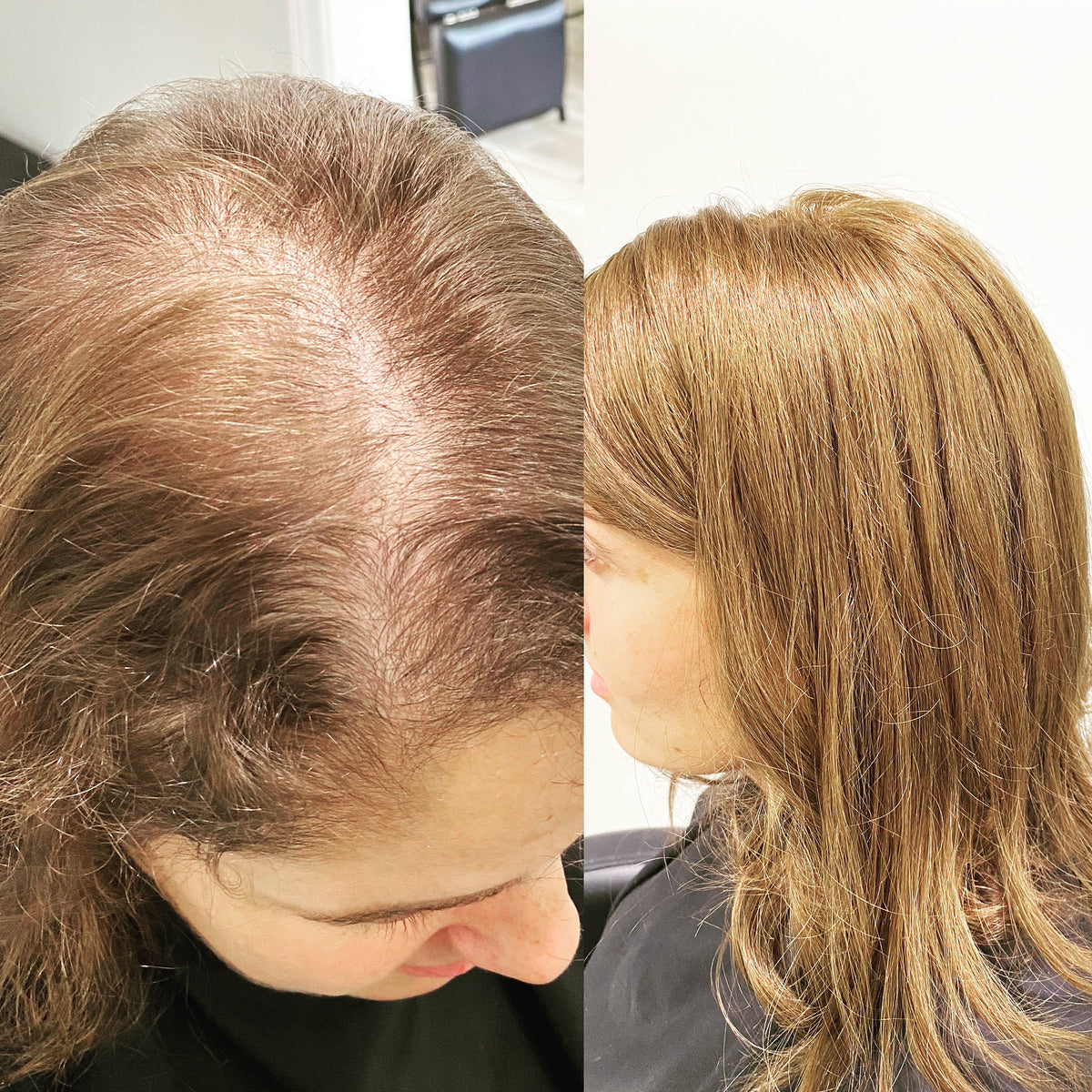
Are there extensions suitable for thinning hair or hair loss?
Absolutely. Specialized techniques like mesh integration and lightweight tape-ins are ideal for thinning hair or conditions like alopecia or trichotillomania. These methods are designed to be gentle and discreet, offering volume and coverage without stressing the scalp.


