

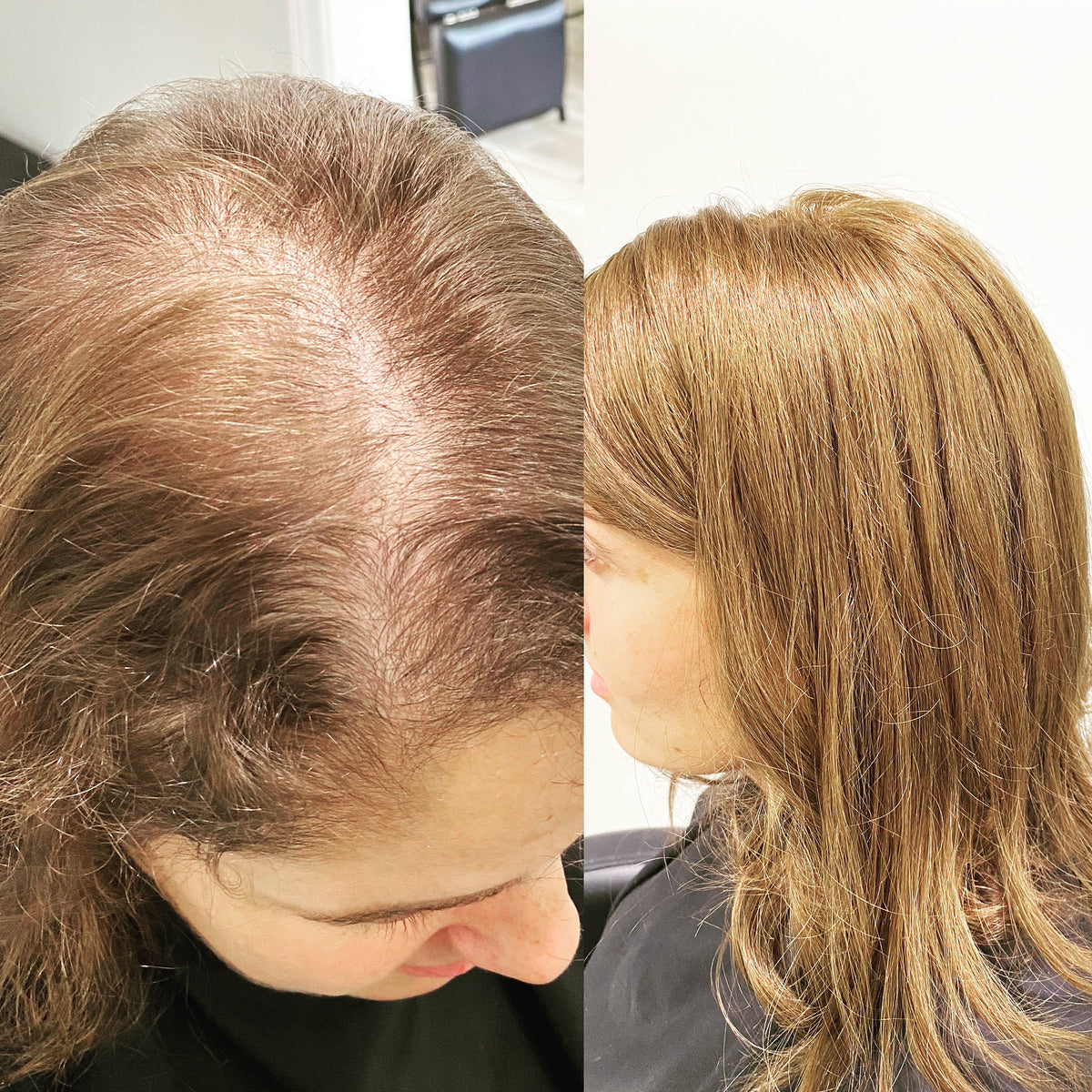


Is Women’s Hair Restoration Effective For Hair Loss?
Hair thinning has a way of showing up quietly. One day, your part looks wider, your ponytail feels lighter, or you notice more hair in the shower than usual. For many women, these changes trigger worry, frustration, and a constant search for answers that actually make sense—especially when looking for trusted solutions for hair loss Boston.
What makes it harder is that hair loss rarely comes with a clear explanation. Hormone shifts, stress, lifestyle changes, health conditions, or genetics can all play a role, often at the same time. Add to that the overload of products and promises online, and it becomes difficult to know what is worth trying and what may only lead to disappointment.
That is where women’s hair restoration comes in. This blog breaks down why hair loss happens, the treatment options available today, and how to choose an approach that fits your needs and expectations. Whether you are noticing early thinning or dealing with more advanced loss, the goal is to help you move forward with clarity and confidence.
What Is Women’s Hair Restoration?
Women’s hair restoration refers to a range of treatments designed to address thinning hair, excessive shedding, and visible scalp while supporting natural regrowth. Unlike one-size-fits-all solutions, hair restoration for women focuses on identifying the underlying cause of hair loss and creating a personalised plan that works with a woman’s hair pattern, lifestyle, and long-term goals.
From non-surgical therapies to advanced medical and cosmetic options, hair restoration for women is about restoring both hair density and confidence. The right approach helps improve scalp health, strengthen existing hair, and encourage healthier growth over time, all while delivering results that look natural and feel sustainable.
What Are The Common Causes Of Hair Loss In Women?

Hair loss in women rarely has a single cause. It is often the result of internal changes, external stressors, or a combination of both, which is why understanding the root trigger is essential before choosing any hair restoration treatment for women.
Here are the most common causes of hair loss in women and how they affect hair health over time.
1. Hormonal Changes
Hormonal shifts caused by pregnancy, postpartum recovery, menopause, or conditions like Polycystic Ovary Syndrome can disrupt the natural hair growth cycle. When hormone levels fluctuate, hair may shed faster than it can regrow, leading to noticeable thinning.
2. Genetic Predisposition
Female pattern hair loss can run in families and typically shows up as gradual thinning along the crown or a widening part. This type of hair loss progresses slowly and often becomes more noticeable with age.
3. Stress And Lifestyle Factors
Physical stress, emotional stress, poor sleep, and sudden weight changes can push hair follicles into a resting phase. This often results in excessive shedding a few months after the triggering event.
4. Nutritional Deficiencies
Low levels of iron, protein, vitamins, or essential minerals can weaken hair strands and slow regrowth. Hair is often one of the first places the body shows signs of nutritional imbalance.
5. Medical Conditions And Medications
Thyroid disorders, autoimmune conditions, and certain medications can interfere with healthy hair growth. In these cases, hair loss is usually a symptom of a broader health issue.
6. Hair Styling And Chemical Damage
Frequent heat styling, tight hairstyles, chemical treatments, and harsh products can damage the hair shaft and stress the scalp. Over time, this weakens hair and increases breakage and thinning.
To restore women's hair loss, understanding what is driving hair loss makes treatment more effective and more sustainable. When the cause is clearly identified, women’s hair restoration solutions can be tailored to support healthier regrowth and long-term results.
When Should You Consider Hair Restoration?

Hair changes can happen gradually, which makes it easy to dismiss early signs or assume they will resolve on their own. Knowing when to take action can make a meaningful difference in both results and long-term hair health.
Here are the most common signs that indicate it may be time to explore hair restoration options.
1. Persistent Hair Thinning
If your hair continues to thin over several months despite lifestyle changes or home remedies, it may signal an underlying issue that needs targeted treatment rather than temporary fixes.
2. Increased Hair Shedding
Noticing excessive hair on your pillow, shower drain, or hairbrush can be an early warning sign. Ongoing shedding that does not stabilise should be evaluated before it progresses further.
3. Widening Part Or Visible Scalp
A widening part line or increased scalp visibility, especially at the crown, often indicates pattern-related thinning. Early intervention can help preserve existing hair and improve density.
4. Reduced Ponytail Volume
When your ponytail feels noticeably thinner or lacks its usual fullness, it may reflect overall density loss rather than breakage alone.
5. Hair Loss After Hormonal Or Health Changes
Hair loss following pregnancy, menopause, illness, or major stress is common, but prolonged thinning after recovery may require professional support.
6. Lack Of Results From Over-the-Counter Treatments
If topical products or supplements have not delivered visible improvement, it may be time to consider more structured and personalised solutions.
Acting early allows hair restoration treatments to work with existing follicles rather than trying to reverse advanced loss. Timely evaluation often leads to better outcomes and more natural-looking results.
What Are the Different Types Of Women’s Hair Restoration Treatments?

Women’s hair restoration includes a range of approaches that work differently depending on the cause, severity, and progression of hair loss. Breaking these treatments down by type makes it easier to compare options and understand what each solution is designed to address.
Here is a clear, comparison-ready overview of some of the best hair restoration for women:
1. Non-Surgical Hair Restoration Options
Non-surgical soultions focus on improving scalp health, strengthening existing hair, and supporting regrowth without procedures or downtime.
-
Topical treatments that help stimulate hair follicles and reduce shedding
-
PRP therapy that uses growth factors from your own blood to support follicle activity
-
Low-level laser therapy to encourage circulation and follicle stimulation
-
Scalp treatments that target buildup, inflammation, or poor scalp health
-
Nutritional supplements to address deficiencies linked to hair thinning
-
Lifestyle-based approaches such as stress management, dietary improvements, and sleep optimisation
These options are often recommended for early to moderate hair loss and are commonly combined for more consistent results.
2. Surgical Hair Restoration For Women
Surgical solutions are designed for women with stable hair loss patterns and adequate donor hair.
-
Hair transplant techniques that move healthy follicles to thinning areas
-
Personalised candidacy assessment based on hair density, scalp health, and loss pattern
-
Treatment planning that considers natural hairline design and coverage needs
-
Recovery timelines that involve gradual healing and staged regrowth
-
Long-term results that improve density when expectations are set realistically
Surgical hair restoration requires careful evaluation and works best when performed by an experienced specialist.
3. Cosmetic And Non-Invasive Solutions
Non-invasive treatment options focus on immediate visual improvement and are often used as supportive or transitional solutions.
-
Hair systems designed to blend with natural hair
-
Hair toppers for targeted coverage in thinning areas
-
Hair extensions that add volume and fullness where hair density is reduced
-
Scalp camouflage techniques that minimise the appearance of visible scalp
Cosmetic solutions help restore confidence quickly and are often used alongside medical or non-surgical hair treatments.
Understanding the strengths of each treatment category allows women to choose solutions that align with their hair goals, comfort level, and lifestyle. A thoughtful combination often delivers the most natural and sustainable outcome.
How To Choose The Right Hair Restoration Solution?

Choosing the best women's hair restoration solution becomes easier when each decision point is matched with the type of treatment that typically works best. A personalised approach helps ensure the solution supports both hair health and long-term satisfaction.
Here are the key factors to consider and the restorative options commonly recommended for each.
1. Identify The Underlying Cause
When hair loss is linked to hormones, stress, nutritional gaps, or medical conditions, non-surgical hair loss treatments are usually the first line of care. These may include topical therapies, PRP therapy, supplements, scalp treatments, and lifestyle-based changes that address the root trigger.
2. Assess The Severity Of Hair Loss
Mild to moderate thinning often responds well to non-surgical hair restoration options used consistently over time. More advanced or pattern-related female hair loss may require surgical hair restoration combined with supportive therapies for optimal coverage and density.
3. Consider Your Lifestyle And Comfort Level
Women who prefer low-commitment solutions may benefit from topical treatments or cosmetic options like natural toppers and extensions. Those comfortable with procedures and recovery time may consider PRP therapy or surgical restoration for longer-lasting results.
4. Set Realistic Expectations
If the goal is gradual improvement and preservation of existing hair, non-surgical treatments are typically recommended. For women seeking visible density changes in specific areas, surgical restoration or cosmetic solutions can offer more noticeable results when expectations are aligned.
5. Factor In Budget And Long Term Commitment
Budget-friendly approaches often start with topical treatments, supplements, and lifestyle adjustments. Higher investment options, such as PRP therapy or hair transplant procedures, are better suited for women prepared for ongoing hair care and long-term planning.
Matching each decision factor with the right restorative option helps create a balanced and achievable hair restoration plan. This clarity leads to better adherence, more natural outcomes, and greater confidence throughout the process.
What To Expect During The Hair Restoration Process
The hair restoration process typically begins with a detailed consultation to understand your hair concerns, medical history, and lifestyle factors. A specialist evaluates scalp health, hair density, and patterns of thinning before recommending a personalised treatment plan designed to address the underlying cause of hair loss.
Once treatment starts, progress is gradual rather than immediate. Some solutions focus on reducing shedding first, followed by visible improvement in thickness and regrowth over time. Ongoing monitoring, plan adjustments, and consistent maintenance are key to achieving natural-looking, long-term results.
Why Choose Noelle Salon For Women’s Hair Restoration?
When it comes to women’s hair restoration, at Noelle Salon we believe the experience should feel personal, supportive, and empowering. For women searching for hair restoration for women in Boston, our approach is built around listening first and recommending only what truly fits your hair needs and lifestyle.
Here’s what makes our hair restoration experience different at Noelle Salon.
-
Personalized Treatment Planning: We create customised hair restoration plans based on your hair loss pattern, scalp health, daily routine, and long-term goals.
-
Advanced Non Surgical Solutions: Our custom hair toppers, mesh integration systems, and hair systems are designed to blend seamlessly with your natural hair.
-
Scalp Health And Regrowth Support: We offer low-level laser therapy and PRP therapy to support follicle health and encourage natural regrowth when appropriate.
-
High Quality Human Hair Systems: Our solutions use premium human hair that can be washed, styled, and worn comfortably in everyday life.
-
Confidence Boosting Cosmetic Support: We provide extensions and volume enhancements to help restore fullness while longer-term restoration plans are in progress.
-
Discreet One-On-One Consultations: Our private consultations are focused on comfort, honesty, and setting realistic expectations from day one.
What truly sets Noelle Salon apart is our commitment to natural-looking results and genuine care. If you are exploring hair restoration for women Boston, we are here to guide you with experience, empathy, and solutions designed to help you feel confident again.
Final Thoughts
Women’s hair restoration goes beyond addressing visible hair loss; it’s about understanding how hair care habits, hormonal changes, lifestyle, and overall well-being affect long-term results. With the right approach, many women experience new growth and improved density as hair follicles are supported over time.
The best treatments are personalized and guided by professional advice. Consulting a healthcare provider ensures that treatment choices meet both physical and emotional needs, especially when hair loss impacts confidence. Thoughtful care makes hair restoration a step toward healthier hair and renewed self-confidence book a free hair loss consultation.
Frequently Asked Questions
What is the best method for hair restoration?
The best method depends on the cause and stage of hair loss. Some women benefit from non-surgical therapies, while others need clinical care. A professional evaluation helps identify the right treatment that supports long-term improvement and realistic results.
Do hair restoration processes really work?
Hair restoration processes can work when used consistently and chosen correctly. Most treatments focus on slowing shedding first, followed by gradual hair regrowth. Results vary based on genetics, health factors, and how early treatment begins.
Are there over-the-counter products that help restore hair for women?
Some women’s hair restoration products can support scalp health and reduce shedding. Options may include hair products like topical minoxidil or minoxidil solution, rosemary oil, hair serum, vitamin D support, or a hair growth supplement, depending on individual needs.
What medical options are available for women with thinning hair?
Medical options may include prescription treatments, in-office therapies, or supervised topical solutions. A healthcare provider evaluates hormone levels, nutritional gaps, and scalp health to recommend options while monitoring for possible side effects during treatment.
What is the difference between FUE and PRP treatments for women’s hair restoration?
FUE involves transplanting hair follicles to thinning areas, while PRP uses platelets from your blood to stimulate follicles. PRP focuses on improving blood flow and follicle activity, while FUE is a surgical solution for more advanced loss.
Are there FDA-approved hair regrowth treatments specifically for women?
Yes, certain FDA-approved treatments are available for women and are designed to support new hair growth. These options typically require consistent use and medical guidance to improve density while maintaining scalp and follicle health.
How do Boston salons approach hair restoration for women?
Salons offering women’s hair restoration near me often combine non-surgical treatments with cosmetic support. Many use scalp therapies, custom systems, or hair extensions to create a fuller look while clients follow longer-term restoration plans.


