



Are Bead Extensions Bad for Your Hair? Find Out Here
Individual bead hair extensions in Boston are also known as i-tip hair or micro link extensions. Here’s how they work: a stylist takes a few strands of your hair, slides on a tiny bead, adds a small piece of extension hair, then squeezes the bead shut to hold it in place. No glue, heat, or tape is used, so the process is gentle on your hair. Pieces are added one at a time, allowing your stylist to place them exactly where you want more volume or length. The beads can be opened later to adjust or remove the extensions as needed.
What Are Bead Extensions and How Do They Work?
Bead extensions are small strands that attach to a few of your own hairs with tiny beads. The stylist threads your hair through the bead, adds the extension, and squeezes the bead closed to secure it. No glue, heat, or tape is used. The bead can be opened later to move or remove the hair. This simple, clean method makes wear and upkeep straightforward.
Why the Placement Matters
Individual hair extensions are attached to a few of your own hairs at a time. They sit a little away from the scalp so they do not pull as your hair grows. This helps prevent discomfort and keeps daily wear easy. Your stylist can choose how many pieces to add and where to place them to fill thin spots or boost fullness where you want it. Could simple, thoughtful placement give you the look you want without weighing your hair down?
Benefits of Bead Extensions
- You can wear your hair up and keep the attachments hidden. You get easy movement for ponytails, buns, and half-up styles without hardware showing.
- The hair can be reused when cared for well, which many find cost-effective over time.
- Removal is simple: a stylist opens each bead and slides the hair out—no residue to scrub away.
- With no heat, glue, or tape at install, upkeep stays cleaner and simpler for both you and your stylist.
These advantages make micro link extensions appealing if you value flexibility, reusability, and a clean application process. Do you prefer an extension method that allows for easy adjustments and removals as your style evolves?
Wearing Individual Micro Link Hair Extensions: Pros and Cons
Potential Drawbacks to Keep in Mind
- The beads can slide more easily than with some other types of hair extensions, especially if application or aftercare is not ideal.
- Maintenance appointments can be more frequent and may cost more since there are many small attachment points to adjust over time.
- Compared with keratin-bonded extensions, which are often kept in for longer stretches, micro links typically need attention around the eight-week mark on average.
- Extra care is required during blow-drying and heat styling, as excessive pull or heat near the bead can loosen the attachment.
- Minimizing oils at the scalp and using lighter products help prevent slipping; some people prefer more frequent shampooing for this reason.
- Medium to thick hair often needs a larger number of extension pieces to achieve dramatic length and volume, which can add time in the chair.
Individual bead hair extensions are gentle on the hair for many wearers, yet they may not feel as locked-in as tape-ins, sew-ins, the keratin bonds method, or pull-thru systems. Are you comfortable trading a little security for a lighter, glue-free attachment that can be adjusted as needed?

Who Is a Good Candidate for Micro Links?
Bead extensions often work well for fine hair because they are light and can be hidden easily among delicate strands. However, because fine hair can be slippery, beads may slide if not properly closed. The key is a precise clamp: tight enough to hold the extension, yet gentle enough to avoid pinching the hair. Are your strands fine or silky, and do you need a method that blends without bulky seams?
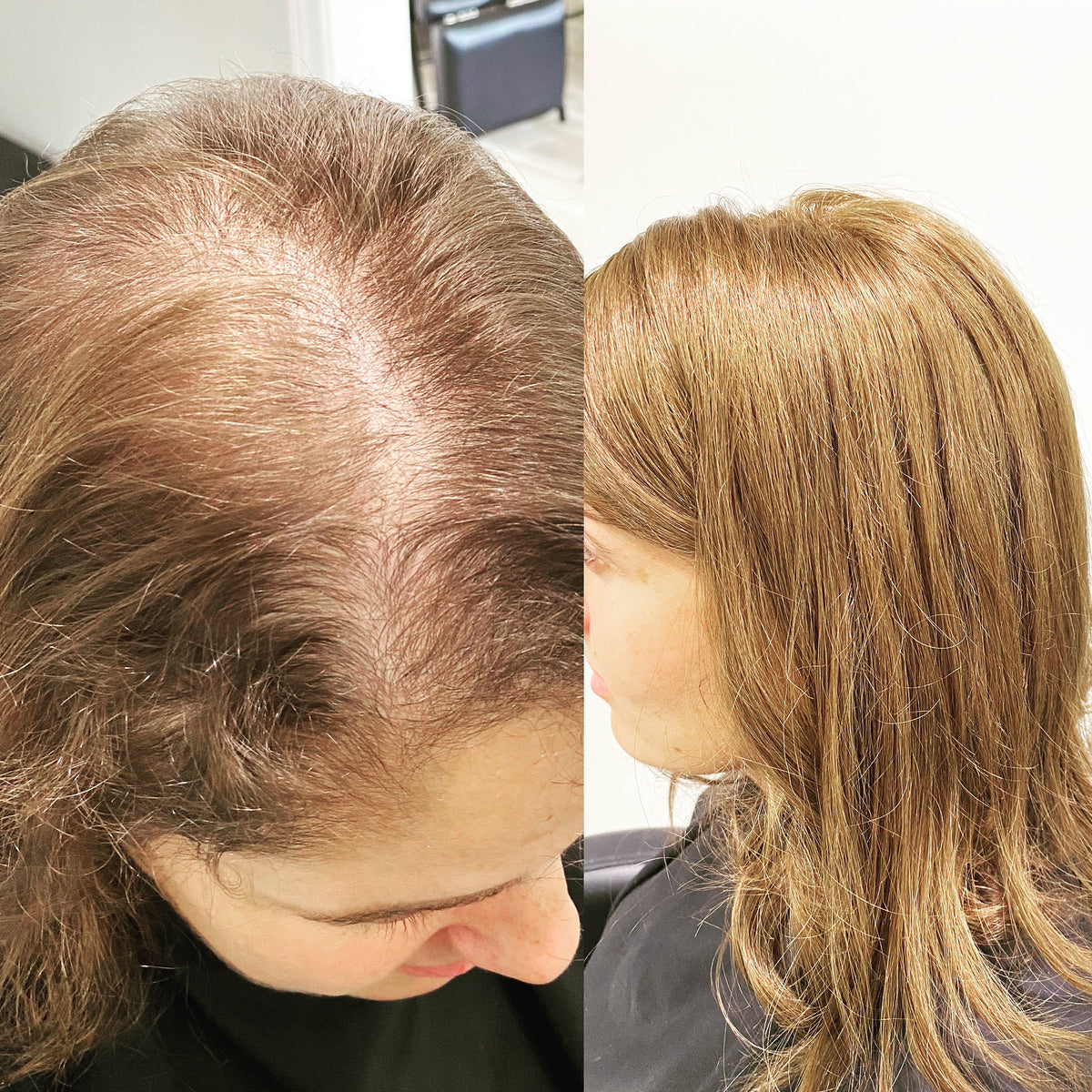
Micro-link extensions can be especially helpful for mild hair thinning, allowing a stylist to add fullness selectively and conceal sparse areas. They avoid adhesive and can be adjusted, which many find reassuring when hair is fragile. Veila Pull-Thru extensions offer a similar no-glue, no-tape approach with minimal tension, providing another option for delicate hair that needs thoughtful placement. Would a lighter-touch method give you confidence to wear added hair without worrying about extra stress?
Types of Hair Extensions Explained
Choosing extensions starts with understanding how different systems attach and what that means for comfort, longevity, and aftercare. A clear grasp of the options can help you match the method to your goals and day-to-day routine. Which approach fits your lifestyle best: quick changes you manage at home or a longer-wear technique you maintain with your stylist?
Clip-in Extensions: Flexible and DIY-Friendly
Clip-in Extensions are temporary pieces you clip onto your hair for instant length or volume. Because they go in and out the same day, there is minimal long-term stress on your hair. They are ideal for events, photos, or trying a new look without commitment. Pros include convenience and low risk when used properly; cons include the need to remove them before sleeping and careful placement to keep clips hidden. If you love changing your style on a whim, could clip-ins be the easiest entry point?
Tape-in Extensions: Seamless Look with Salon Care
Tape-in Extensions are semi-permanent pieces with thin adhesive strips that sandwich small sections of your hair. When installed and removed by a pro, they can lie flat and feel light. Pros include a sleek finish and quick install time; cons include potential residue and the need for careful removal. Because adhesive is involved, professional consultation is essential to reduce risk. Does a smooth, discreet finish sound appealing if you are ready for scheduled maintenance?
Weave/ Sew-in Extensions: Secure, With Tension Considerations
Weave Extensions involve braiding your natural hair and sewing the extensions onto the braids. This method is very secure and can offer long wear, but the base braids can create tension, especially if installed too tightly. Pros include long-lasting wear and robust styling; cons include potential scalp stress if tension is not managed. Would a sew-in feel reassuringly secure, or do you prefer a lighter-feeling method?
Fusion/Keratin Bonded Extensions: Long Wear with Precision
Fusion (keratin bond) extensions use small, pre-tipped strands that are attached to your hair with a specialized tool. When expertly installed, they look natural and can be worn for an extended period. Pros include a custom blend and longevity; cons include heat during application and a more involved removal process. If you prefer to set your style and keep it for months, could fusion be your match?
Micro Link/Bead Extensions: Adjustable and Glue-Free
Micro links use tiny beads to secure small strands to your natural hair, avoiding adhesives. They are adjustable during maintenance and relatively tidy to remove. Pros include flexibility and no glue; cons include potential slipping and more frequent check-ins. For those who want balance between lasting wear and a clean removal, do beads strike the right compromise?
When deciding among these choices, think about your hair texture, how you style day-to-day, and how often you can visit the salon. Ask yourself: Do you want maximum security, or do you value easy adjustments and minimal residue?
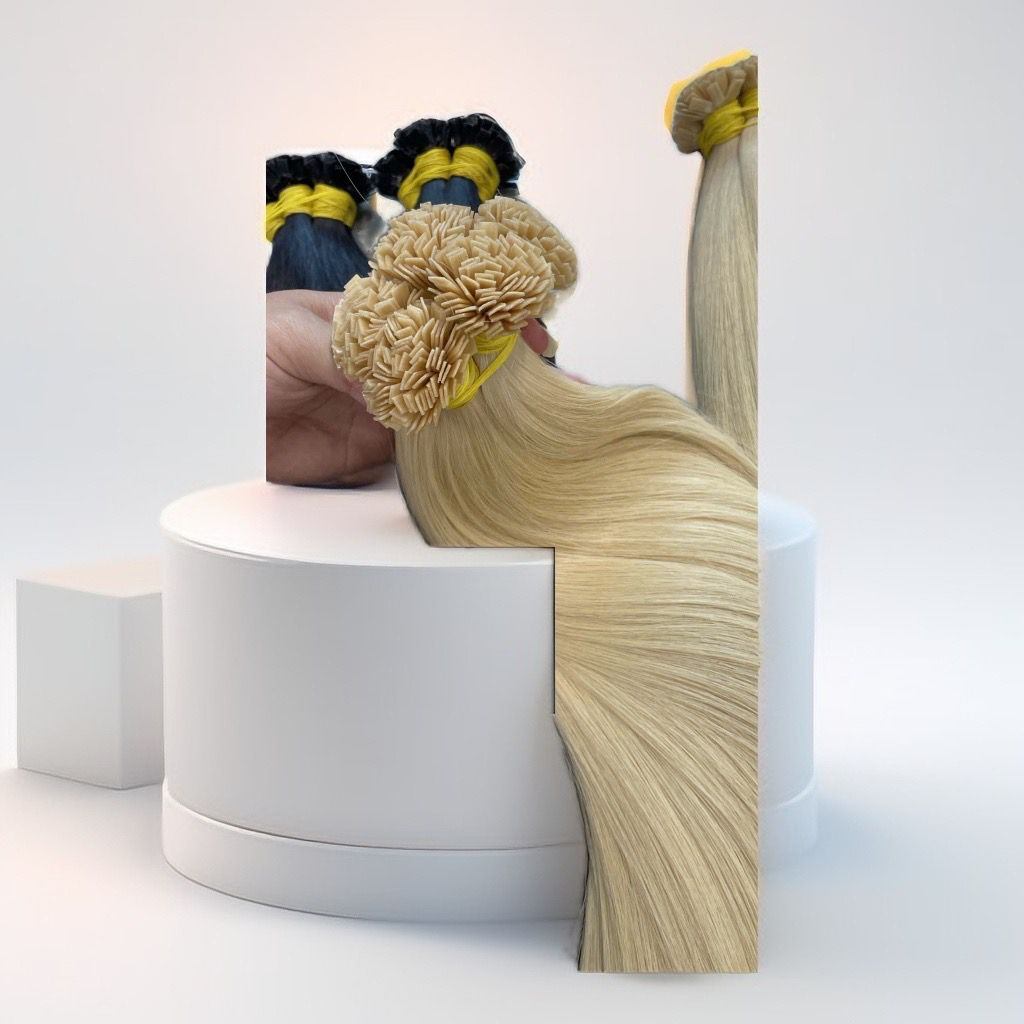
Clip-in, Tape-in, Weave, Fusion, and Microbead Extensions Overview
Some people experience tangling, scalp sensitivity, or breakage when wearing micro links, especially if the install was rushed or aftercare is inconsistent. Knots can form near the beads if the hair is not separated and brushed beneath the attachments. With beaded weft extensions, consistent tension or overly heavy rows may contribute to stress over time. Have you thought about how your scalp reacts to weight and movement, particularly when wearing high ponytails or tight updos?
Common Mistakes to Avoid with Hair Extensions
The best results start with the right method and an expert application. One of the most common pitfalls is skipping a professional consultation. Hair density, scalp condition, growth patterns, and styling habits all influence which system will be the most comfortable and durable for you. A skilled stylist evaluates these details to reduce risk, improve longevity, and set realistic expectations. Would a personalized plan help you feel more confident before committing?
Another frequent mistake is overusing heat. Repeated high heat can dry out both your hair and the extensions. Using a heat protectant and keeping hot tools away from attachment points can preserve the integrity of the bond or bead. If you notice increased dryness or brittleness, could dialing back heat be the simplest fix?
Skipping Professional Consultation, Overusing Heat, Ignoring Signs of Damage
- Skipping Consultation: Without expert guidance, you might choose a method that does not suit your hair type or lifestyle. A pro considers your goals and daily routine, then recommends the most compatible approach.
- Overusing Heat: Excessive heat can shorten the life of the extensions and harm your natural ends. Use shields, lower temperatures, and keep irons away from attachment points.
- Ignoring Signs of Damage: Tangling, tenderness, shedding, or sudden slipping are signals to act. Timely adjustments can prevent small issues from becoming bigger problems.
By noticing early warning signs and addressing them quickly, you can maintain healthy hair and extend the life of your investment. What subtle changes—like extra shedding or tightness—deserve attention before they escalate?
Questions to Ask Your Stylist
- Based on my hair texture and density, which method offers the best balance of security and comfort?
- How many pieces or rows should I start with to keep weight manageable?
- How often should I book maintenance, and what are the signs I should come in sooner?
- Which products will support my attachments without build-up or slipping?
Arriving with clear questions helps your stylist tailor a plan. What are your top concerns—comfort, longevity, or the ability to wear your hair up?
Common Signs It’s Time for Maintenance
- Beads begin to slide or twist, especially around the hairline or behind the ears.
- Tenderness near a few attachments or a heavy feeling in one area.
- Persistent tangling at the base, even after diligent brushing and separation.
Early adjustments are faster, gentler, and can extend the life of your extensions. Would scheduling your next visit before leaving the salon keep you on track?
Conclusion: Are Bead Extensions Bad for Your Hair?
Bead extensions can be a safe, flexible, and natural-looking option when applied correctly and tailored to your hair type. With no glue, heat, or tape, they offer a lighter, adjustable approach—but they do require proper placement, maintenance, and attention to scalp health to perform at their best.
For hair extensions Boston clients trust, choosing the right method is just as important as the installation itself. Book a free hair extensions consultation to evaluate your hair, compare methods, and determine whether bead extensions—or a lower-tension alternative—are the best fit for your lifestyle, comfort, and long-term hair health.


