

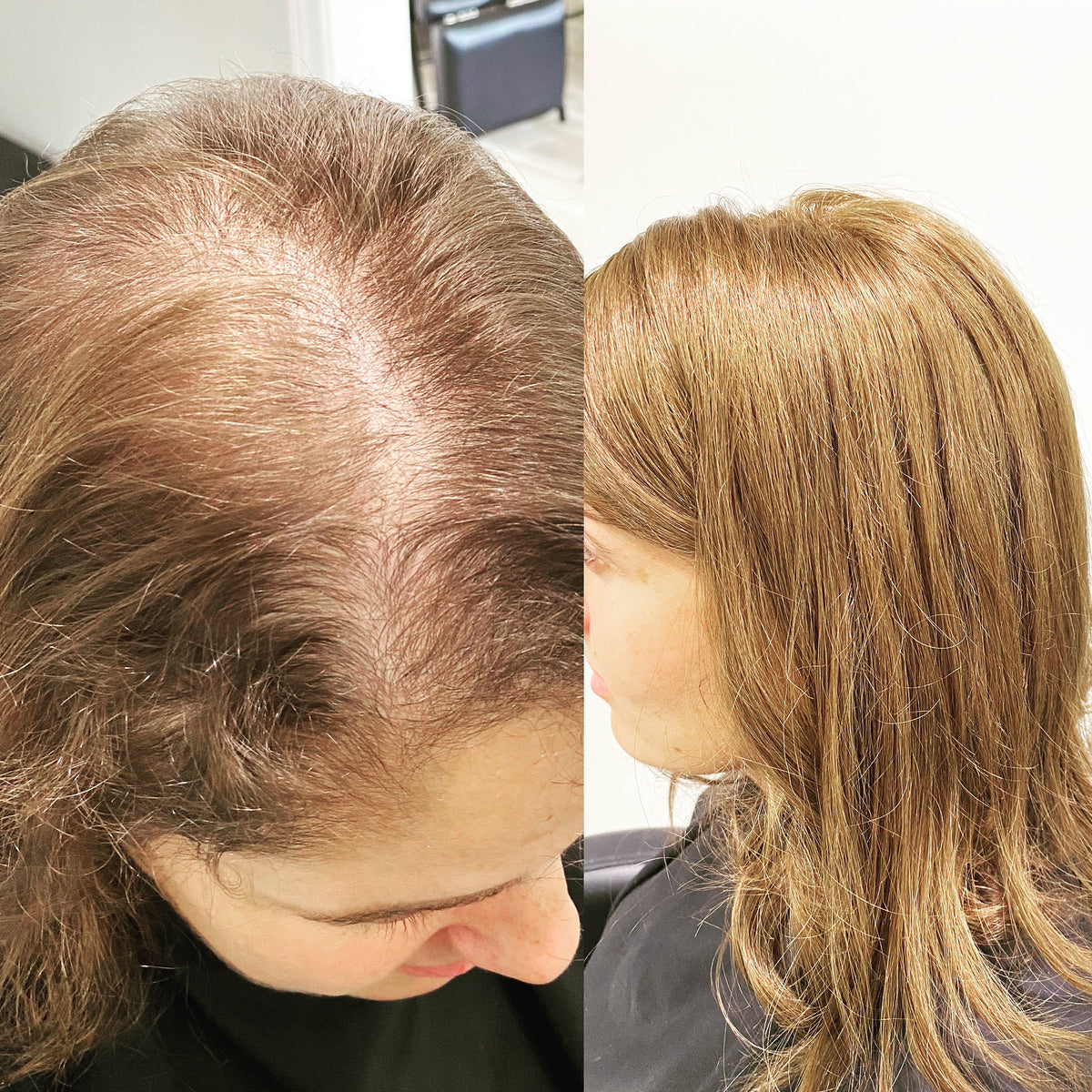


Understanding the Difference: Bio Hair vs. Wig Hair

Bio hair refers to the natural hair that grows directly from your scalp, shaped by factors like genetics, overall health, and daily habits. It’s unique to you—varying in texture, density, and growth patterns—and often requires consistent care to maintain its strength and appearance.
Wig hair, on the other hand, is designed to replicate the look and feel of natural hair while offering more control over style and volume. Wigs can be made from either real human hair or high-quality synthetic fibers, each offering different benefits in terms of realism, maintenance, and longevity.
For those navigating hair loss Boston, understanding the difference between bio hair and wig hair is key to choosing the right solution. A well-made wig can seamlessly blend with or fully replace natural hair, providing a natural appearance while giving you flexibility, confidence, and a break from daily styling challenges.
Defining Bio Hair: The Natural Crowning Glory
Bio hair is appealing because it looks natural. Since it grows directly from the scalp, it matches well with your current hair. This makes it hard to copy with fake hair. However, it can still thin out because of genetics, hormone changes, or health issues.
Bio hair comes from a part called the dermal papilla found in your scalp, which is essential for hair transplant procedures. This living part gets blood from vessels that help your hair to grow. This shows how closely bio hair is linked to your body's health.
The look and health of bio hair rely a lot on things like what you eat, how you feel, and your overall health. Taking good care of your hair is important to keep it strong and shiny.
Understanding Wig Hair: Types and Origins
Wig hair has changed a lot in the past few years. New technology and skilled work have created very realistic options. The market has two main types: human hair wigs and synthetic wigs.
Human hair wigs are valued for their very natural look and feel. They come from ethical sources and are available in many textures, colours, and styles. You can heat-style, dye, and treat them just like real hair, giving you lots of choices.
Synthetic wigs are a more affordable option that still looks stylish. Made from special fibres that imitate natural hair, these wigs keep their shape and style very well. They also need less care and upkeep.

Differences Between Bio Hair and Wig Hair
Bio hair and wig hair each have their own benefits. It's important to know their differences when deciding about your hair. These differences go beyond just what they look like. They include things like how they feel, how they react to the weather, and how you take care of them.
By learning these details, people can choose what works best for their life and what they want, especially when considering options such as hair transplantation, where understanding the donor area is crucial. Whether you are looking for a long-term fix like hair transplantation or a quick change with a wig, knowing these details is very important.
Texture and Quality Variations
Bio hair comes from a natural source. It has a unique texture and quality that make it special to each person. The way the hair feels, its curl patterns, and how it responds to styling are shaped by genetics and outside factors.
On the other hand, wig hair's texture and quality rely mainly on the kind of fiber used and how it is made. Human hair wigs usually feel more natural and hang nicely because they share the qualities of real human hair.
To blend bio hair and wig hair well, you should think carefully about texture and quality. The best way to get a natural look is to choose either human hair wigs or synthetic wigs that closely match your natural hair.
Response to Environmental Factors and Styling Products
Bio hair is a living part of our body. It reacts to changes in the environment, like humidity, sunlight, and pollution. This natural reaction means we need to change our hair care routines depending on the weather and conditions around us.
Wig hair, especially made from synthetic fibres, is usually tougher against these environmental factors. It keeps its style and feel no matter the weather. This makes it more predictable, which many people like.
Caring for Your Bio Hair and Wig Hair
To keep your hair healthy and looking great, whether it’s bio hair or wig hair, you need to follow good care practices. It is important to know the different needs of each type so you can take care of them in the best way.
Using the right products and methods for each kind of hair helps meet their specific needs. By maintaining them regularly, you can enjoy your hairstyle for a long time, whether you prefer the natural look of bio hair or the flexible style of wig hair.
Tips for Extending the Life of Wig Hair
Extending the life of your wig hair, whether it is human or synthetic, needs careful treatment and special products that fit their needs. When you are not using your wigs, store them on wig stands. This helps keep their shape and stops tangles and frizz.
Gently untangling the hair with a wide-tooth comb or a wig brush can lower breakage and shedding. This way, your wig stays full and lasts longer. Avoid using too much heat when styling, especially with synthetic wigs, because high heat can harm the fibres.
Wash your wig with special shampoos and conditioners made for human hair or synthetic hair. This helps clean dirt and product build-up without hurting the hair. Following these steps will help your wig look great and support your hair journey.
Conclusion
Understanding the difference between bio hair and wig hair is key to making the right choice for your lifestyle, styling needs, and level of hair loss. While bio hair reflects your natural texture and growth patterns, wig hair offers flexibility, consistency, and the ability to achieve looks that may not be possible otherwise.
For those navigating hair loss Boston, the right solution often comes down to personalization—choosing a wig or hair system that matches your features, feels comfortable, and fits seamlessly into your routine. Both options require proper care, whether it’s maintaining the health of your natural hair or extending the life of your wig.
At Noelle Salon, expert guidance ensures you get the best of both—healthy hair practices and customized wig solutions that look completely natural. Book a free hair loss consultation to get personalized recommendations and find the right option for you.
Frequently Asked Questions
Can wig hair be treated the same as bio hair?
No, wig hair is not the same as bio hair. Human hair wigs can be styled, but they do not grow. They need different care compared to bio hair. Synthetic wigs are even more delicate when it comes to heat and products, so special wig care is very important.
How often should wig hair be washed compared to bio hair?
Washing your wig often depends on how you use it, the styling products you use, and your lifestyle. Usually, wigs should be washed after 6 to 8 wears. This is different from bio hair, which might need washing more often. If you use the best way to wash a wig, you will help it last longer and look good.
Can wig hair achieve the same styles as bio hair?
Human hair wigs allow for many different styles. Getting looks that are the same as bio hair depends on how the wig is made, the type of hair, and how good the stylist is. Still, with so many colours and textures to choose from, it's easy to get a similar look.
How can I blend my bio hair with wig hair?
Blending bio hair with a wig is an art. It starts with picking a wig that looks like your natural hair in both color and texture. Good hairstylists can cut and style the wig so it matches your hairline and the way your hair flows. This creates a smooth and undetectable look.


