



Can You Safely Wear Keratin Bonds with Coil-Textured Hair?
What are keratin bonds and how do they work?
Keratin bonds hair extensions in Boston are tiny extension strands attached to your natural hair using keratin, the same structural protein present in human hair. During application, a small point of keratin at the tip of each extension is softened with controlled heat, then shaped around a small section of your own hair to create a discreet, secure seal. Once cooled, the bond hardens and sits close to the scalp, allowing the extension hair to move naturally with your own strands for a seamless blend.
Because keratin behaves similarly to our hair’s own protein, many find the method gentle and versatile—offering precise placement and customizable volume/length. However, the success of keratin bonds depends on proper sectioning, the health of your natural hair, and realistic maintenance.
Heat is used only at the bond tip during installation, and removal requires a professional who can safely break down the keratin without pulling at your roots.
Keratin bonds work best on hair that lies flat. With coil-textured hair—especially 3C–4C—density and spring-back can lift bonds away from the scalp. Optimal results rely on small, precise sections, clean, thoroughly dried roots, and tailored aftercare.
Some stylists recommend a light blowout or gentle stretching before application to help bonds sit flatter, but consistent smoothing is a commitment; many coily clients ultimately prefer alternative methods that are lower maintenance and more practical for everyday care.
- Compatibility: Looser patterns lie flatter; tighter coils (3C–4C) lift bonds—use small, precise sections to reduce bulk.
- Maintenance: Oil can soften bonds; keep roots clean and thoroughly dried to limit slippage.
- Styling: Stretch or lightly blow out near wash days only as needed to support discreet placement.

If bonds poke out post-wash, compare your section size to Figure 1 and aim for smaller, more uniform sections at your next appointment.
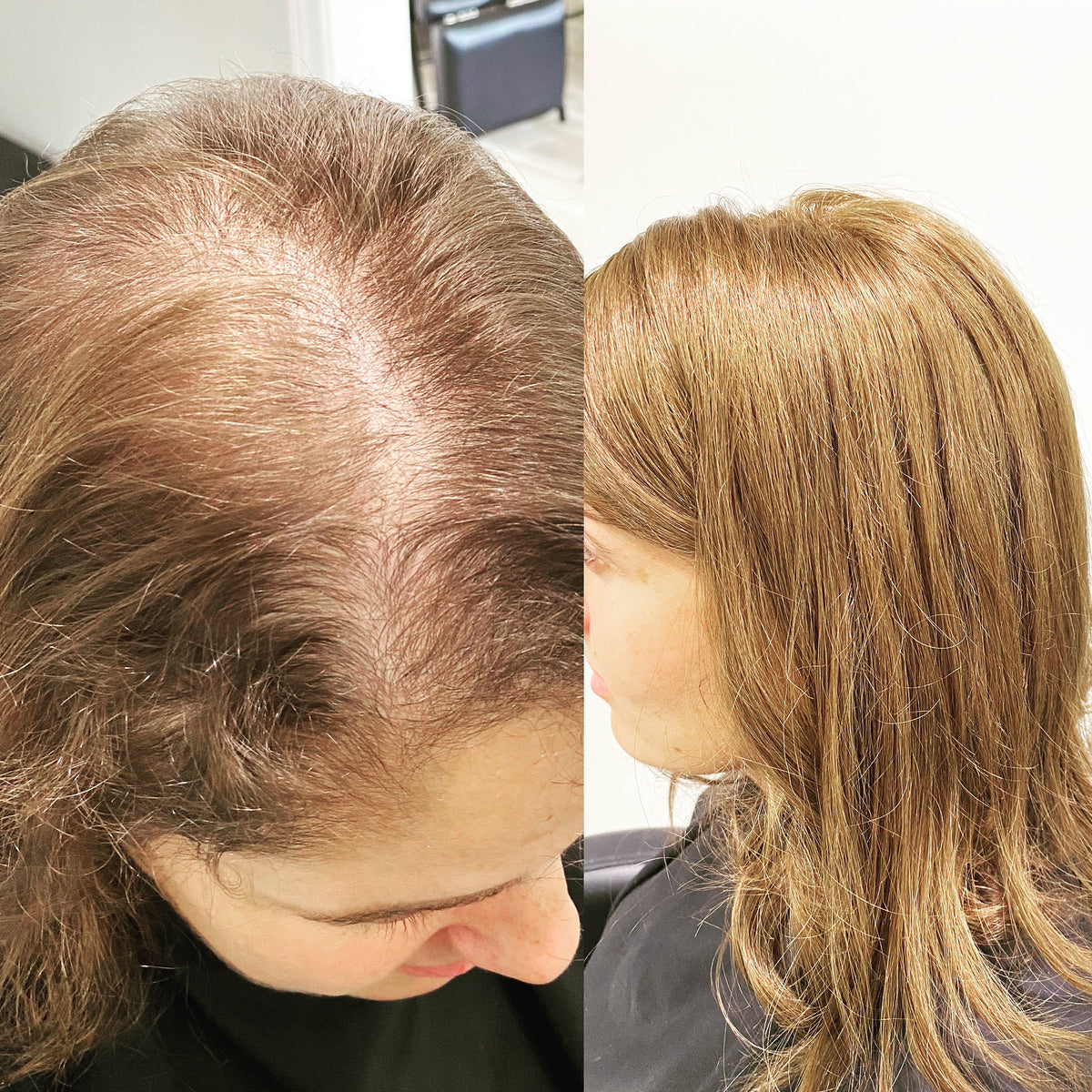
For a quick visual check, snap a before-and-after photo on wash day—before smoothing and after drying—to confirm bonds sit flatter and spacing remains consistent. Suggested caption for a side-by-side: Before and after applying keratin bonds on coil-textured hair, showcasing the difference in volume and length achieved through proper technique.
Bottom line: straighter to loose-curly patterns (1–3B) usually blend with minimal smoothing, while tighter coils (3C–4C) can expose bonds between washes unless roots are routinely stretched. Not sure where you land? Try a single test row and reassess after a wash to see how bonds settle within your curls.
Individual strands are appealing because of even weight distribution and customizable placement across the head, which helps minimize concentrated tension on any single area.
If your scalp is dry and you frequently use oils or heavy butters—or you manipulate roots often—keratin bonds can soften or loosen prematurely. For best results, bonds require a balanced scalp routine that avoids excessive oils at the attachment points and respects your hair’s natural pattern between salon visits.
How do curl patterns influence keratin bond suitability?
While charts help categorize curls, real-life hair often includes mixed textures, varied porosity, and different densities on the same head. In general, bonds sit most flush on straight-to-wavy hair; loose curls benefit from smaller sections and occasional stretching; tight curls and coils often reveal bonds unless tiny, uniform sections and clean, dry roots are maintained—many in the 3C–4C range opt for alternatives.
For example, imagine looser curls at the crown and tighter coils at the nape: a pro might use smaller, closer-set bonds low down and slightly larger, more spaced sections up top to keep everything balanced and discreet. If porosity varies, section size and tension are micro-adjusted so each area moves naturally without bulk.
Question for you: which curl category best describes your hair—do you lean more wavy, curly, or tightly coiled—and how has your texture shaped your extension choices in the past?
What Does Noelle Salon Offer For More Glam
If you plan to wear strand-by-strand keratin bonds, it is important that all eligible hair—excluding the top and sides reserved for coverage—is integrated into the extension plan.
Skipping interior sections can allow free hair to coil around nearby bonds, creating tangling or visible separation. A balanced map of sections helps distribute weight evenly and keeps the overall look polished as the hair grows out.
Because a noticeable amount of your natural hair remains outside the extensions, a close texture and curl-pattern match is vital. We offer a variety of keratin bond curl patterns and, when appropriate, can perm select extensions to achieve a cohesive blend. We only perm high-quality virgin raw extensions; processed or non-remy hair can be compromised.
Great Lengths keratin bond extensions are a thoughtful choice for those seeking natural-looking volume and length. Their bonds are designed to expand and contract with water, which helps maintain comfort and reduces pinching or breakage. With a lifespan of three to six months, they provide a dependable window of wear when properly maintained.
For clients who want a protective approach that respects coil pattern and reduces tension, we look beyond strand-by-strand attachments. A braided weave has a long track record on coil-textured hair because it keeps natural hair bundled and protected.
Some, however, prefer to avoid the traction from traditional sew-in methods. In those cases, the micro-link technique can be a good middle ground: we place links onto your hair and sew tracks around them, which often results in less pull than classic braids alone. As with keratin bonds, skipping sections is not advised because even coverage supports comfort, blend, and longevity.
Braided sew-ins remain a tried-and-true option. Correct patterning avoids delicate areas such as the temples and adapts to weak points for smarter weight distribution. An experienced stylist will evaluate density, scalp sensitivity, and styling preferences to recommend a braid, link, or hybrid pattern. Each method carries trade-offs—the right choice is the one that fits your hair and lifestyle.
Alternatives to consider for tighter coils
- Traditional sew-in (braided base): Pro: protective, low manipulation of natural hair. Con: some feel braid tension, and refreshes require takedown and rebuild.
- Micro-link with sewn tracks: Pro: potentially less traction than tight braids, good blend when mapped well. Con: still requires careful sectioning and maintenance.
- I-tip (micro-beaded individual strands): Pro: no heat at application, adjustable. Con: may be noticeable on very tight curls without routine smoothing.
- Clip-ins for occasional wear: Pro: no commitment and easy to remove. Con: not ideal for daily wear and can add pressure if clipped in the same spots.
- Pull-thru and similar hybrid methods: Pro: customizable with fewer adhesives. Con: method suitability varies with density and curl lift.
Bringing it all together
Keratin bonds and i-tip extensions can work across a range of textures when applied with precise placement, thoughtful aftercare, and the right smoothing techniques. For many with 3C–4C coils, alternatives like braided sew-ins or micro-link tracks may better preserve the natural curl pattern while reducing maintenance. The best method is always the one that protects your hair while supporting your styling goals.
If you’re ready to find the best extension method for your texture and routine, you can book a free hair extension consultation to create a personalized plan tailored to your hair type, lifestyle, and long-term hair health.


