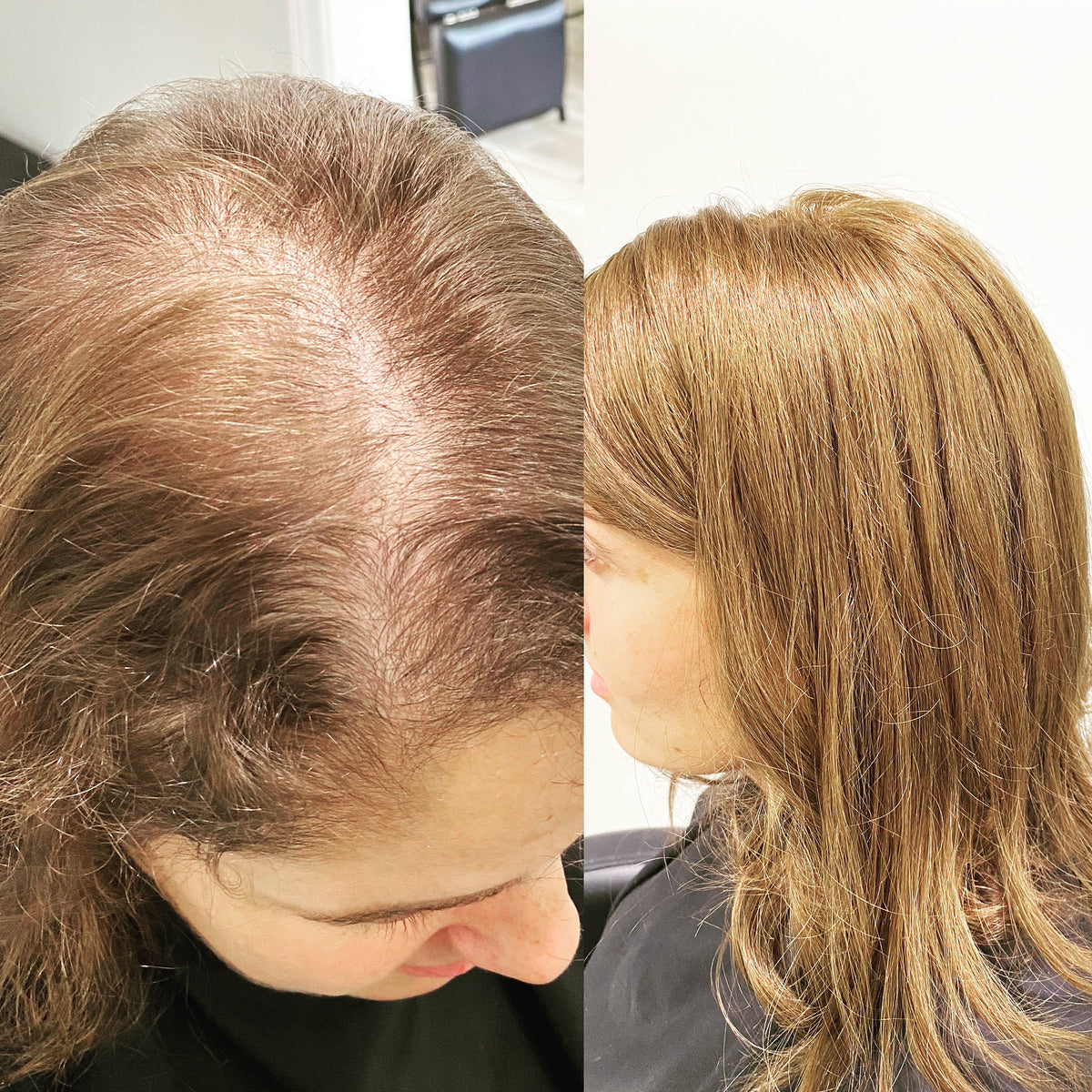
Breakthrough Treatment: EQ101 Alopecia Areata Medication

Key Highlights of EQ101: A Groundbreaking Medication for Alopecia Areata
EQ101 is a first-in-class therapy that disrupts the immune signals driving alopecia areata. In a Phase 2 study of 36 adults, 20 participants reached SALT ≤20 by Week 24—signaling very little or no hair loss on this scale. The treatment was well tolerated, with no significant drug-related side effects reported. By selectively inhibiting IL‑2, IL‑9, and IL‑15, EQ101 shows potential across severities (including alopecia totalis and universalis) and may extend to other immune-mediated skin disorders. Subgroup findings also suggest promise for those who have not responded to existing treatments.

Why EQ101 Represents Hope for Alopecia Areata Patients
Alopecia areata can arrive suddenly, progress unpredictably, and deeply affect self-image and daily life. That uncertainty often leaves patients asking: is there a treatment that addresses the root immune trigger rather than just masking symptoms? Enter EQ101—a breakthrough candidate developed to selectively interrupt multiple immune pathways linked to follicle attack. In this article, you’ll learn how EQ101 came to be, what makes its mechanism different from traditional hair loss approaches, and what the latest clinical evidence means for people seeking a new option. We’ll also unpack practical details—who may be eligible, how treatment is administered, and what to discuss with your clinician before starting. Along the way, you’ll find clear definitions of medical terms, real-world reflections from patients, and a checklist to help you prepare. As you read, consider your own journey: What do you want out of a treatment—stability, regrowth, peace of mind, or all three?
Understanding Alopecia Areata: Essential Insights on an Immune-Driven Condition
Hair loss touches people of all ages and genders, but alopecia areata is unique because it is driven by the immune system. In this condition, the body mistakenly targets hair follicles, causing patchy shedding that can progress to complete scalp or even full-body hair loss. The course may wax and wane; some regrow spontaneously, while others experience persistent or relapsing loss. What does this look like in everyday life? You might notice extra hair in the shower drain, small round patches appearing on the scalp, or thinning of eyebrows and eyelashes. You may start wearing hats more often, plan around windy days, or rethink photos and social events. Could a medicine that calms the immune system at its source help change those choices?
What Causes Alopecia?
While “alopecia” simply means hair loss, the drivers differ. Genetics, autoimmune activity (when the immune system mistakenly attacks one’s own tissues), hormonal shifts, and stress can all play a role. In alopecia areata specifically, immune cells target the follicle’s environment, interrupting the hair growth cycle. Understanding this immune misdirection has paved the way for therapies like EQ101 that focus on immune signaling rather than hair shafts alone. If the immune signals quiet down, could follicles re-enter healthy growth phases?
Types of Alopecia and Everyday Impact
Alopecia presents in multiple forms, and the experience varies:
- Alopecia areata: well-defined patches of missing scalp hair that may expand or recur.
- Alopecia totalis: complete loss of scalp hair.
- Alopecia areata universalis: loss of hair across the scalp and body, including eyebrows and eyelashes.
Androgenetic alopecia, which can affect people of all genders, gradually thins the hair on top of the head, following recognizable patterns. Each type influences daily routines differently: you might adjust hairstyles, experiment with fibers or head coverings, or spend more time managing eyebrows and lashes. How might your day change if shedding slowed—or if regrowth began?

From Concept to Clinic: EQ101 Development Journey for Alopecia Areata Treatment
How does a promising idea become a therapy candidate? The EQ101 story began with a clear aim: address the immune misfires at the root of alopecia areata. Scientists mapped the cytokine signals—chemical messengers that coordinate immune activity—implicated in follicle attack. They then engineered a targeted approach designed to block multiple relevant pathways together. Moving from hypothesis to formulation required years of preclinical work, careful dosing strategies, and rigorous safety checks. Going from an early concept to a Phase 2 clinical study demonstrates sustained focus, iteration, and collaboration. The result: a therapy candidate purpose-built to calm the immune storm around follicles while aiming to preserve beneficial immune functions elsewhere.
The Science Behind EQ101 (Equillium): Multi-Cytokine Approach to Alopecia Areata Treatment
EQ101 is an investigational therapy from Equillium’s immunology-focused platform. It is designed to interrupt key cytokines—small proteins that help immune cells communicate—believed to be central to alopecia areata. In simple terms, cytokines like IL‑2, IL‑9, and IL‑15 can amplify immune activity around hair follicles. EQ101 uses a composite-peptide strategy to selectively block these signals at a shared receptor level, aiming to reduce pathologic inflammation while sparing non-pathogenic immune functions. In clinical testing to date, the safety profile has been favorable, with no drug-related serious adverse events reported in the Phase 2 study and no dose-limiting toxicities observed. While the science is complex, the goal is straightforward: reduce overactive immune cues that tell the body to target follicles, and in doing so, create space for hair to remain in—or return to—growth phases. Could selectively easing those signals help restore a healthier balance?
How EQ101 Differs from Other Alopecia Areata Treatments: Multi-Cytokine vs. Single-Pathway
Many treatments address one pathway at a time; EQ101 is designed to modulate several disease-relevant cytokine signals simultaneously. This multi-target approach aims to address redundancies in the immune network that can limit single-target therapies. While other options—such as Janus kinase (JAK) inhibitors—also act on immune signaling, EQ101’s selective composite-peptide design seeks to refine where and how signaling is dampened. The intention is to maximize meaningful scalp outcomes while maintaining a favorable safety profile. For people navigating severe alopecia areata, the prospect of a treatment that focuses on root immune mechanisms—rather than surface-level symptoms—can be compelling. Would a broader, yet selective, immune reset better support lasting stability?
Mechanism of Action of EQ101: An Innovative Alopecia Areata Treatment
Alopecia areata arises when immune signals around follicles become overactive, pushing hairs out of their growth phase. EQ101, an immunomodulator therapy, is designed to dial down specific cytokine messages—particularly IL‑2, IL‑9, and IL‑15—driving follicle-directed T cell activity. By selectively blocking these at shared receptor interfaces, EQ101 delivers a targeted multi-cytokine blockade to quiet the inflammatory cascade while preserving useful immune functions elsewhere. In practical terms, this mechanism of action for alopecia areata treatment is intended to reduce ongoing damage and allow follicles to re-enter healthier growth cycles. In Phase 2 evaluation, clinically meaningful improvements by Week 24 were observed, consistent with this immune-modulating approach. Could targeting the immune “conversation” at multiple key points be the key to sustained scalp coverage?
Targeting the Root Cause of Alopecia Areata with Immunomodulator Therapy
Instead of treating only the outcome (hair loss), EQ101 targets upstream immune drivers inside the follicular microenvironment. By focusing on signals known to coordinate follicle-directed immune responses, this alopecia areata treatment aims to reduce flare-ups and help stabilize regrowth. This root-cause orientation aligns with how many people think about chronic immune conditions: if you calm the signals fueling the problem, you may open the door to longer-lasting results. Where would you feel the difference first—less shedding, fewer expanding patches, or visible regrowth?
Why a Multi-Cytokine Blockade May Support Hair Regrowth in Alopecia Areata
Immune pathways often have redundancies—if one signal is blocked, others can compensate. EQ101’s multi-cytokine blockade approach aims to reduce that redundancy by addressing several coordinated signals together. In doing so, it seeks to interrupt the cycle that keeps follicles under immune pressure. This is why multi-cytokine inhibition has garnered interest in alopecia areata research: it addresses the alopecia areata treatment mechanisms within the immune ecosystem rather than the surface alone. If multiple drivers are eased at once, might regrowth be more robust and more durable?
Clinical Evidence for EQ101 in Alopecia Areata: A Closer Look at Study Results
Investigators evaluated EQ101 in adults living with moderate to severe alopecia areata. The Phase 2 proof-of-concept study assessed hair loss using standardized tools, monitored safety closely, and tracked quality-of-life signals. Overall, responses suggested clinically meaningful improvements in many participants by Week 24, alongside a favorable safety experience. Some individuals experienced a short-lived decrease in certain white blood cells, which was monitored and manageable. Importantly, outcomes were observed across diverse participants, underscoring the broad relevance of immune-targeted strategies. Biomarkers—objective lab measures of disease activity—were also explored, helping researchers understand how EQ101 engages its targets over time.
Phase 2 Study Overview and Key Findings in Alopecia Areata
- Participants: 36 adults with moderate to severe alopecia areata enrolled at multiple clinical sites.
- Primary assessments: Severity of Alopecia Tool (SALT) to quantify scalp hair loss and changes from baseline through Week 24.
- Efficacy signal: By Week 24, 20 EQ101-treated participants achieved SALT ≤20, indicating very little or no visible scalp hair loss on this scale.
- Improvement trend: Mean baseline SALT was high (indicating extensive scalp involvement), and a meaningful mean percentage improvement from baseline was observed by Week 24.
- Safety: No drug-related serious adverse events; short-term, manageable decreases in some white blood cells noted in a subset of patients.
- Biomarkers: Changes in selected biomarkers were evaluated to understand treatment engagement and disease biology.
- Next steps: Findings informed future dose exploration and trial design considerations.
These outcomes point to a promising balance between efficacy signals and safety, supporting continued development. What would meaningful improvement look like for you—fewer patches, better coverage, or more confidence in daily life?
EQ101 Patient Testimonials and Success Stories in Alopecia Areata
The following illustrative, composite narratives are structured to highlight varied journeys and practical milestones. Individual timelines and results can differ.
Emma, 29 — A New Hope
“For years, I struggled with alopecia areata, feeling hopeless as each day went by without a glimmer of regrowth. After starting EQ101, I noticed significant changes by the third month. My hair started to come back, and for the first time in years, I feel like I can face the world again with confidence. This treatment has given me hope that I never thought I’d have.”
Mike, 38 — Life-Changing Results
“As someone who has battled alopecia from my early twenties, I have tried numerous treatments. EQ101 was different; within weeks of starting, I could see and feel a difference. I no longer live in fear of losing more hair. This breakthrough has not only improved my hair but also my entire outlook on life.”
Sarah, 45 — Restored Confidence
“Alopecia areata affected me both physically and emotionally. I was cautious about starting a new treatment, but EQ101 has truly transformed my experience. I’ve regained not just hair, but self-esteem. I’m grateful for the effective results and for finally having a treatment that works on my alopecia.”
These structured stories are meant to be relatable examples; real-world responses vary. Consider which milestones matter most—reduced shedding, patch stability, or visible coverage—and align with your clinician on how to track them over time.
How EQ101 Works: Mechanism of Action in Alopecia Areata
Alopecia areata arises when immune signals around follicles become overactive, pushing hairs out of their growth phase. EQ101 is designed to dial down specific cytokine messages—particularly IL‑2, IL‑9, and IL‑15—that help coordinate T cell activity implicated in follicle attack. By selectively blocking these at shared receptor interfaces, EQ101 aims to quiet the inflammatory cascade while preserving useful immune functions elsewhere. In practical terms, this multi-cytokine strategy is intended to reduce ongoing damage and allow follicles to re-enter healthier growth cycles. Could targeting the immune “conversation” at multiple key points be the key to sustained scalp coverage?
Targeting the Root Cause of Alopecia Areata
Instead of treating only the outcome (hair loss), EQ101 targets upstream immune drivers inside the follicular microenvironment. By focusing on signals known to coordinate follicle-directed immune responses, the treatment aims to reduce flare-ups and help stabilize regrowth. This root-cause orientation aligns with how many people think about chronic immune conditions: if you calm the signals fueling the problem, you may open the door to longer-lasting results. Where would you feel the difference first—less shedding, fewer expanding patches, or visible regrowth?
Why Blocking Multiple Cytokines May Support Hair Regrowth in Alopecia Areata
Immune pathways often have redundancies—if one signal is blocked, others can compensate. EQ101’s multi-cytokine design aims to reduce that redundancy by addressing several coordinated signals together. In doing so, it seeks to interrupt the cycle that keeps follicles under immune pressure. This is why multi-cytokine inhibition has garnered interest in alopecia areata research: it addresses the root cause of alopecia within the immune ecosystem rather than the surface alone. If multiple drivers are eased at once, might regrowth be more robust and more durable?
EQ101 Treatment for Alopecia Areata: Regimen, Administration, and Practical Prep
Starting a new therapy can feel like a big step, especially when past treatments have yielded mixed results. EQ101’s regimen is designed to maintain stable exposure over time, allowing immune signals to recalibrate while follicles cycle through growth phases. Before you begin, you and your clinician will discuss medical history, current treatments, and goals. What does success look like for you—a measurable SALT change, visible coverage, or steady maintenance?
Recommended Dosage and Administration for EQ101 in Alopecia Areata
EQ101 is administered once weekly by intravenous infusion at 2 mg per kilogram for 24 weeks, with an additional follow-up period recommended to assess response and safety. Intravenous delivery brings medication directly into the bloodstream, providing consistent exposure to immune cells involved in follicle-directed activity. Regular weekly dosing supports ongoing immune modulation as follicles progress through growth cycles. Adhering closely to the prescribed schedule and monitoring plan is essential to support outcomes. In clinical testing, EQ101 has been well tolerated with a favorable safety experience, which is encouraging for individuals seeking an immune-targeted approach to alopecia areata.
What Alopecia Areata Patients Need to Know Before Starting EQ101
EQ101 has been evaluated in adults with moderate to severe alopecia areata. In general, participants had substantial scalp involvement for at least six months and up to several years. A portion of people with alopecia areata ultimately experience complete scalp hair loss (alopecia totalis) or loss of scalp and body hair (alopecia areata universalis), underscoring the importance of options that act on immune drivers. In study observations at Week 24, a meaningful subset achieved SALT ≤20, indicating limited or no visible scalp loss on the scale. As with any treatment, individual responses vary; some will notice early slowing of shedding, while others may see increasing coverage gradually. Before you begin, ask yourself: What are my expectations over 24 weeks—stability, visible regrowth, or both? Then align with your clinician on realistic milestones, visit schedules, and how progress will be measured.
Practical Checklist: Preparing to Start EQ101 for Alopecia Areata
- Confirm diagnosis and severity: Ensure alopecia areata is confirmed, with baseline SALT documented for tracking.
- Medical review: Share full medical history, current medications, allergies, and prior alopecia treatments and responses.
- Goal setting: Define what a meaningful result is for you (for example, fewer patches, SALT improvement, or visible coverage).
- Dosing plan: Understand weekly infusion timing, location, access, and post-infusion observation if needed.
- Scheduling: Book appointments in advance and plan for transportation and post-infusion rest if preferred.
- Monitoring: Discuss lab work or biomarker checks recommended by your clinician throughout treatment.
- Side effect awareness: Learn potential infusion reactions or lab changes and when to contact your care team.
- Photos and tracking: Take consistent baseline photos and keep a simple weekly journal of shedding and coverage.
- Support: Consider a friend, family member, or peer group for encouragement and accountability.
- Reassessment plan: Set a Week 24 review to evaluate progress, adjust goals, and discuss next steps.
Defining Key Terms: Alopecia Areata and Immunology Made Simple
- Alopecia areata: An autoimmune form of hair loss where the immune system targets hair follicles.
- SALT score: Severity of Alopecia Tool; a standardized measure of scalp hair loss used in clinical studies.
- Cytokines: Small proteins (immune messengers) that help immune cells communicate; some promote inflammation.
- IL‑2, IL‑9, IL‑15: Interleukins (types of cytokines) implicated in T cell activation and survival; targeted by EQ101.
- Intravenous infusion: Medication delivered directly into a vein for systemic distribution.
- Biomarkers: Lab-based indicators of disease activity or treatment engagement measured over time.
Study Results for EQ101 in Alopecia Areata at a Glance: What the Data Suggests
- Population: Adults with moderate to severe alopecia areata participated across multiple centers.
- Duration: 24 weeks of treatment with follow-up assessments thereafter.
- Primary tool: SALT score used to quantify scalp involvement and improvement from baseline.
- Clinical improvement: Many EQ101-treated participants showed meaningful scalp coverage by Week 24.
- Notable threshold: A substantial subset achieved SALT ≤20, indicating very little or no visible scalp loss on this metric.
- Safety observations: No drug-related serious adverse events; a manageable, temporary decrease in certain white blood cells was noted in some patients.
- Biologic insight: Biomarker changes were evaluated to understand immune engagement and response patterns.
- Program takeaways: Results support advancing EQ101 study plans and refining dose and monitoring strategies.
Alopecia Areata Treatment Planning: Reflect on Your Goals and Needs
- What would “success” look like for you at 12 and 24 weeks—reduced shedding, visible regrowth, or both?
- How well does EQ101 align with your expectations for treatment outcomes?
- How might consistent weekly treatment fit into your schedule and lifestyle?
- If side effects were minimal and manageable, would you feel comfortable pursuing an immune-targeted option?
- Would photo tracking help you see gradual progress you might otherwise miss day-to-day?
- How could your routines—styling, social events, or exercise—change if coverage improves?
Frequently Asked Questions About EQ101 for Alopecia Areata
Who Is Eligible for EQ101 Treatment for Alopecia Areata?
Adults with moderate to severe alopecia areata have been evaluated with EQ101 in the Phase 2 setting. Typically, participants had significant scalp involvement for at least six months. Eligibility in practice involves confirming diagnosis, documenting baseline SALT, reviewing medical history and medications, and aligning on treatment goals. Your clinician can help assess whether your pattern and duration of hair loss make you a suitable candidate and whether weekly infusions fit your care plan.
How Long Does It Take to See Alopecia Areata Results with EQ101?
In the Phase 2 study, assessments at Week 24 captured the clearest picture of change, including how many participants reached SALT ≤20. Some people notice earlier lifestyle signals—less shedding in the shower or on the pillow—before obvious coverage changes. Because follicles cycle over weeks to months, steady treatment and consistent monitoring are important. Your clinician can help set expectations for what may change first and when.
Can EQ101 Be Used with Other Alopecia Areata or Hair Loss Treatments?
Because EQ101 is designed to act on specific immune pathways, combining it with other therapies should be discussed with your clinician. More research is needed to understand potential interactions or complementary effects. Your care team can help prioritize a single approach, sequence treatments, or consider combinations based on your medical history and response.
What Sets EQ101 Apart as an Alopecia Areata Treatment
EQ101’s purpose-built design for alopecia areata focuses on moderating multiple immune signals that drive follicle attack. By aiming at IL‑2, IL‑9, and IL‑15, it seeks to reduce inflammatory pressure on follicles and support healthier growth cycles. Clinical observations to date show a favorable safety experience and encouraging improvements by Week 24 for many participants, with a notable subset achieving SALT ≤20. This balance of targeted mechanism and clinical promise supports continued development and careful, patient-centered use under medical supervision. If you’ve been waiting for an approach that addresses alopecia areata from the inside out, could this be the conversation to have with your clinician?
Conclusion: EQ101 as a Promising Alopecia Areata Treatment
EQ101 represents a new class of alopecia areata treatment—one that aims to quiet multiple immune signals behind follicle attack and create a clearer path for regrowth. In Phase 2 evaluation, many participants improved by Week 24 with a favorable safety experience, suggesting that targeted immune modulation may help restore scalp coverage for people with moderate to severe disease. If you are considering next steps, align with your clinician on goals, monitoring, and a realistic timeline. Ready to explore whether an immune-focused approach could fit your needs? Start the discussion, set measurable milestones, and track your journey toward steadier coverage and renewed confidence.