

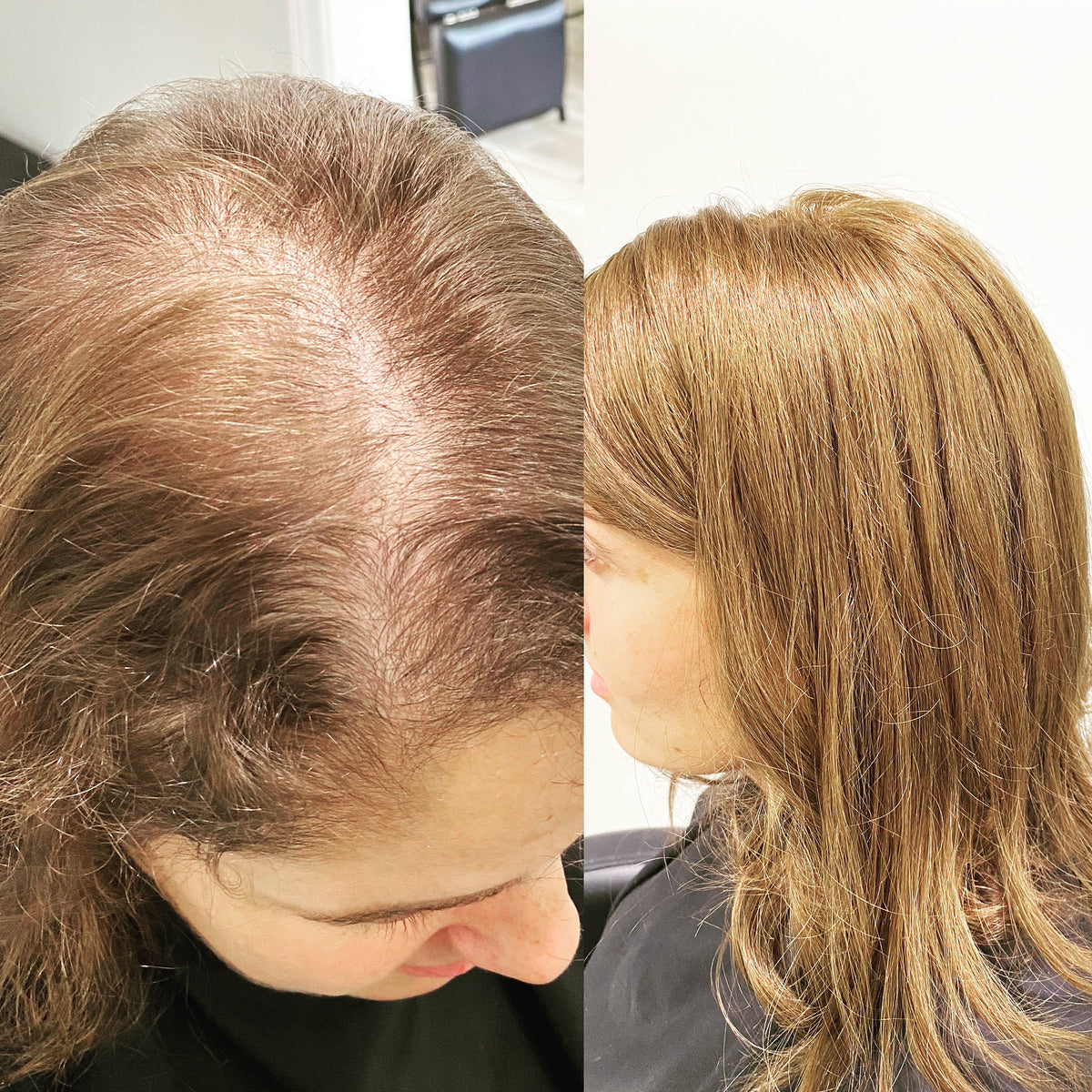


Finding the Perfect Hair Extensions for Your Natural Grey Hair
Grey hair extensions in Boston are widely available in silver and salt-and-pepper shades, yet an exact match to natural grey hair can still be tricky. When looking for grey hair extensions that match your natural hue, consider styles that blend seamlessly with your unique silver or salt-and-pepper tones. As more of us embrace natural grey at any age, we want extensions that look seamless and style easily. Many grey hair extensions trends and wigs are sold in pre-mixed grey ratios, but many are synthetic. Synthetic hair may be fine for occasional clip-in wear, yet it rarely performs well for semi-permanent methods because daily washing, heat styling, and upkeep are difficult.
Human vs. Synthetic Grey Hair Extensions: What to Know
For grey hair specifically, human hair extensions typically offer the most natural appearance and the greatest flexibility. Human hair can be washed, blown out, curled, and straightened with familiar tools, which helps grey hair extensions blend into your routine. You can tone, refresh, and subtly adjust the shade to mirror your own silver or salt-and-pepper pattern, helping you avoid that obvious “wig” look. By contrast, most synthetics resist color, dislike heat, and can look overly shiny.
Women of all ages love their “silver fox” shade, and silver hair extensions can enhance it. Some pre-made silver extensions can match perfectly, but many are treated as fashion tones—think vivid blue, purple, or pink overlays—which are stunning but not always a true natural grey match. If your goal is an authentic salt-and-pepper look, customization is key. If time or budget is tight, compare ready-to-wear mixes that mimic common grey patterns before committing to a full custom tone.
A Stylist’s Approach to Matching Natural Grey Hair Extensions
Before the technical color steps, use this simple flow to organize your plan: 1) Assess your natural grey (silvery-white vs. salt-and-pepper). 2) Choose human or synthetic based on how often you’ll wear and style. 3) Decide your blending technique (layering, feathering, and placement). 4) Check close ready-to-wear matches. 5) Install, then map maintenance.
1) Choose the best methods for a grey or salt-and-pepper blend. Individual hand-made strands and the sew-in method are top choices because they allow precise color mixing and placement for a realistic, low-contrast finish.
2) Map the percentage of grey in the client’s hair. The ratio you see on the head should guide the percentage of grey extensions used. A careful balance prevents the dark pieces from overpowering the silver—or vice versa.
3) Identify the depth of the darker hair. Is it black, medium-to-dark brown, or light brown? Pinpointing the level ensures the brown components of your blend won’t read too warm or too ashy next to the silver.
4) Start with light blonde to build the silver/grey tone. Select a neutral blonde, not a pre-toned silver. This gives you a clean canvas to tone accurately to the client’s shade rather than fighting an existing pigment.
5) Create a small swatch for matching. Take a tiny sample of the client’s hair for side-by-side comparison. Next, begin toning your test extensions to match the swatch under natural lighting when possible.
6) Tone the blonde hair in small tests. Your goal is to nudge blonde into the perfect silver/grey. Many natural greys can be matched with traditional toners (for example, double ash blonde toners). If a deeper, smokier cast is needed, semi-permanent or temporary colors can add subtle “gunmetal” hues without overwhelming the blend.
Matte Ash and Grey Tones for Natural Silver and Grey Hair Extensions

7) Balance the darker hair within the salt-and-pepper mix. The darker strands often lean cool (ash), so toning brown extensions becomes essential. After selecting the level (shade depth; e.g., #4, #5, #6, #8 for neutral browns), refine with a semi-permanent hair color. Always test on a small sample first. For ash-based browns, consider these examples:
Blending Techniques for Grey Hair Extensions
A blending board is one of the most effective tools for grey hair extensions because it lets you layer colors, feather transitions, and mirror the client’s natural salt-and-pepper pattern. Whether you are creating keratin-tipped strands or preparing wefts, even distribution and gentle intermixing lead to a believable result.
Hair Extension Blending Board for Grey Hair Extensions

Keratin Hair Extensions
1) Layer your colors strategically. Place the dominant shade (dark or light) on the board, add the secondary shade, then cap with another layer of the dominant color. Gently brush together to intermix without over-blending.
2) Compare to your client’s swatch. Confirm that both the silver tone and the depth of the darker strands align with the natural pattern. Make micro-adjustments as needed before cutting.
3) Create strand-by-strand pieces and attach the keratin tips (tip attachments) you prefer—melted keratin adhesive, pre-formed keratin tips, or keratin beads—based on your installation method.
4) Install, then reassess. After placement, step back, evaluate the overall blend, and refine with a quick tone if needed for a flawless finish.
Hair Wefts
1) Using the same blending approach, stack three to four weft hair extensions (sewn-in extensions) in varying ratios to match the client’s unique grey pattern. Start with conservative amounts of the secondary shade and add until the balance is right.
2) Once the tone and ratio look natural, sew the wefts onto properly prepared anchor rows. Confirm comfort, movement, and coverage, then fine-tune the perimeter for a soft blend.
This approach is especially effective for natural grey hair because you can tailor the placement to the client’s personal growth pattern. If you’re new to grey hair extensions, consider practicing with a model first—many clients are excited to collaborate and will often purchase hair if you provide the service.
Quick Care Tips for Grey Hair Extensions
- Use color-safe, sulfate-free cleansers to preserve silver tones and reduce fading.
- Keep heat moderate and always apply a heat protectant before styling.
- Add a violet or blue-based toner as needed to maintain a cool cast and reduce brassiness.
- Detangle gently from ends to roots, supporting bonds or wefts to minimize tension.
- Schedule routine maintenance to tighten, refresh tone, and trim for a consistent blend.
Conclusion: Choose the Right Grey Hair Extensions for a Seamless, Confident Look
Selecting the right grey hair extensions starts with the basics: human hair for flexibility, a neutral blonde base for toning, and an ash-leaning brown to balance your salt-and-pepper pattern. From mapping your grey percentage to testing toners and blending on a board, each step brings you closer to a natural, personalized finish.
If you’re ready to enhance or blend your grey with a natural, customized result, you can book a free hair extension consultation to match your tone, refine your placement, and create a look that fits your lifestyle.


