



Keep Your Hair Healthy with Extensions: Tips & Tricks
Are you looking to enhance your hair's length, volume, or style? Hair extensions are a fantastic way to achieve your hair goals. Whether you have fine hair that lacks natural volume, curly hair that needs extra length, or simply want to experiment with different looks, hair extensions can provide you with a lot of versatility. However, it's crucial to care for your extensions properly to ensure the health of your natural hair and maintain the longevity of your extensions.
Understanding the Impact of Extensions on Natural Hair and Scalp
Hair extensions in Boston, when installed and maintained correctly, do not damage your natural hair. Contrary to common belief, extensions do not restrict natural hair growth, as they are attached to your hair strands, not your scalp. It is a misconception that extensions cause hair loss; if attached and cared for properly, they shouldn't. Extensions, when cared for correctly, do not damage hair follicles, allowing your natural hair to grow without any hindrance. By proper care of your extensions, you ensure they do not cause breakage, supporting healthy hair growth.

The Science Behind Hair Growth with Extensions
Hair extensions, when installed and maintained properly, do not prevent hair growth. They are attached to your hair strands, not your scalp, so they do not interfere with your hair follicles' natural growth cycle. Proper maintenance of your extensions, such as regular brushing and conditioning, prevents damage to your natural hair, promoting healthy hair growth. It's essential to care for your extensions to ensure they do not cause breakage, tangling, or any other damage that could impede your natural hair growth. So, remember extensions, when managed well, do not damage hair follicles or cause scalp issues, allowing for natural hair growth.

Common Misconceptions about Hair Extensions
There are several common misconceptions about hair extensions that need to be debunked. Firstly, hair extensions, when installed and maintained properly, do not damage your natural hair. The idea that extensions cause hair loss is simply untrue. When extensions are attached and cared for correctly, they do not restrict natural hair growth. Another misconception is that extensions require harsh chemicals. This is far from the truth. Proper maintenance of your extensions, using sulfate-free shampoo and conditioner, ensures your natural hair and extensions remain healthy.

Essential Maintenance Tips for Hair Extensions Noelle Salon
Now that we understand the impact of extensions on natural hair, let's explore some essential maintenance tips for your hair extensions to keep them healthy and ensure the best possible results.

Get Regular Trims & A Realistic Length
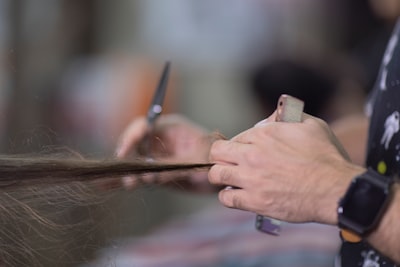
Getting regular trims is crucial when wearing extensions. Just like your natural hair, extensions can develop split ends and become damaged over time. By getting frequent trims, you prevent these split ends from traveling up the hair shaft and causing further damage. Additionally, it's important to choose a realistic length for your extensions. Going too long can put unnecessary strain on your natural hair and lead to breakage. Consult with a professional stylist to find the perfect length that complements your natural hair and promotes overall hair health.
The Right Way to Brush Your Hair with Extensions
Using the right brush is crucial when it comes to hair extensions. Opt for a wide-tooth comb or a brush specifically designed for extensions to prevent damage. When brushing, start from the ends of your hair and work your way up to avoid pulling and breakage. Always detangle your extensions before washing them, ensuring they remain smooth and knot-free. Remember to hold your hair at the roots when brushing to prevent pulling and damage to your extensions. Gently brushing your extensions reduces tangling, preventing breakage, and maintaining their integrity.
Importance of Minimizing Overwashing
Overwashing your extensions can lead to dryness, damage, and a shorter lifespan. Instead of washing your hair extensions daily, consider using dry shampoo between washes to maintain their cleanliness.

The Role of Cold Water in Hair Extension Care
Rinsing your hair extensions with cold water is beneficial for their care. Cold water helps seal the hair cuticle, reducing frizz and tangling, resulting in smoother, healthier-looking extensions. Additionally, rinsing extensions with cold water helps maintain moisture, preventing dryness and damage. It's best to give your extensions a final rinse with cold water after conditioning to keep them smooth, silky, and manageable. Cold water also closes the hair cuticle, making your extensions appear shinier and healthier overall.
The Ideal Hair Care Products for Extensions
To keep your extensions healthy, it's essential to use the right hair care products. Let's explore some of the best products for your extensions and why they are beneficial.
Why Opt for Sulfate-Free Shampoo and Conditioner?
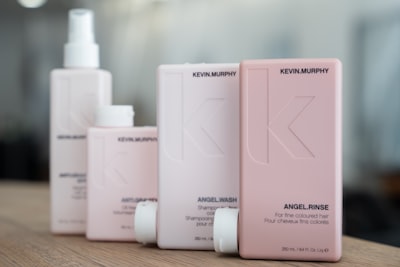
Choosing sulfate-free shampoo and conditioner is crucial for extensions' proper care. Sulfates are harsh chemicals that can strip your extensions of natural oils, leading to dryness and damage. Opting for sulfate-free products maintains the integrity of your extensions, preventing dryness, tangling, breakage, and damage. These products also preserve the natural oils in your extensions, keeping them hydrated, soft, and healthy.
The Benefits of Hydrating Shampoo and Conditioner for Washing
Hydrating shampoo and conditioner are essential for keeping your extensions soft, smooth, and free of dryness and damage. These products preserve the moisture of your extensions, preventing tangling, breakage, and damage. Hydrating hair care keeps your extensions nourished, healthy, and free of dryness, ensuring they remain manageable and easy to style. Incorporating hydrating shampoo and conditioner into your hair care routine is vital for the proper care, maintenance, and overall health of your extensions.
Drying Your Extensions
When drying your hair extensions, it's important to do so without causing damage. After washing, gently pat your extensions with a microfiber towel to remove excess water, avoiding any harsh rubbing or pulling. Use a wide-tooth comb to detangle your extensions before allowing them to air dry naturally. If using a hairdryer, make sure to use a nozzle tip to focus the airflow and minimize damage to your extensions. Whenever possible, allow your extensions to air dry, as this helps maintain their natural texture.
Limiting the Use of Heat Styling Tools
Excessive heat exposure can damage your extensions, so it's best to limit the use of heat styling tools. When using curling irons or straighteners on your extensions, always use heat-protectant products to minimize damage. Consider opting for heatless hairstyles and protective styles that don't require heat, reducing heat damage to your extensions. If you do use heat styling tools, make sure to use lower heat settings and avoid prolonged exposure to heat. Limiting the frequency of heat styling helps maintain the health and quality of your extensions, ensuring they remain in excellent condition.
The Advantages of Satin-Silk Pillowcases and Tangling
Investing in satin-silk pillowcases can benefit your hair extensions in several ways. These pillowcases reduce friction, preventing tangling and breakage of your extensions while you sleep. They also help retain moisture, preserving the natural shine of your extensions, and keeping them healthy-looking. Satin-silk pillowcases are gentle on your extensions, minimizing damage and hair loss that can occur with traditional cotton pillowcases. By sleeping on satin-silk pillowcases, you can minimize knots and tangles, protecting your extensions from damage caused by harsh pillowcase materials.
Lifestyle Tips for Healthier Hair with Extensions
In addition to proper maintenance, there are some lifestyle tips you can incorporate into your routine to promote healthier hair with extensions. Let's explore these tips.
Your natural hair's health is greatly influenced by your diet, and your extensions are only as secure as the hair they're attached to. Protein-rich foods such as lean meats, eggs and legumes support strong hair. Omega-3 fatty acids, found in fish, flaxseeds and chia seeds, support scalp health. Iron, zinc and vitamins A, C and E also play a part in healthy hair growth, and so does drinking enough water.
How you sleep matters too. Before bed, loosely braid or tie your hair so the extensions don't tangle at the attachments, and never go to sleep with wet hair.
Get Your Hair Extensions Checked
Regular maintenance appointments are essential for keeping your hair extensions healthy and ensuring their longevity. Aim for salon visits every 6-8 weeks, allowing your stylist to assess the condition of your extensions and provide care recommendations. During these check-ups, your stylist can address any concerns, make necessary adjustments, and ensure proper installation and care of your hair extensions. Professional maintenance is crucial to prevent damage and maintain the integrity of your extensions, so make sure to schedule regular check-ups with your stylist.
Conclusion:
Healthy natural hair and extensions go together—as long as the extensions are installed correctly and cared for between appointments.
The difference between extensions that look heavy, obvious, or damaging… and extensions that look soft, natural, and confidence-boosting comes down to method, placement, and working with your hair—not against it.
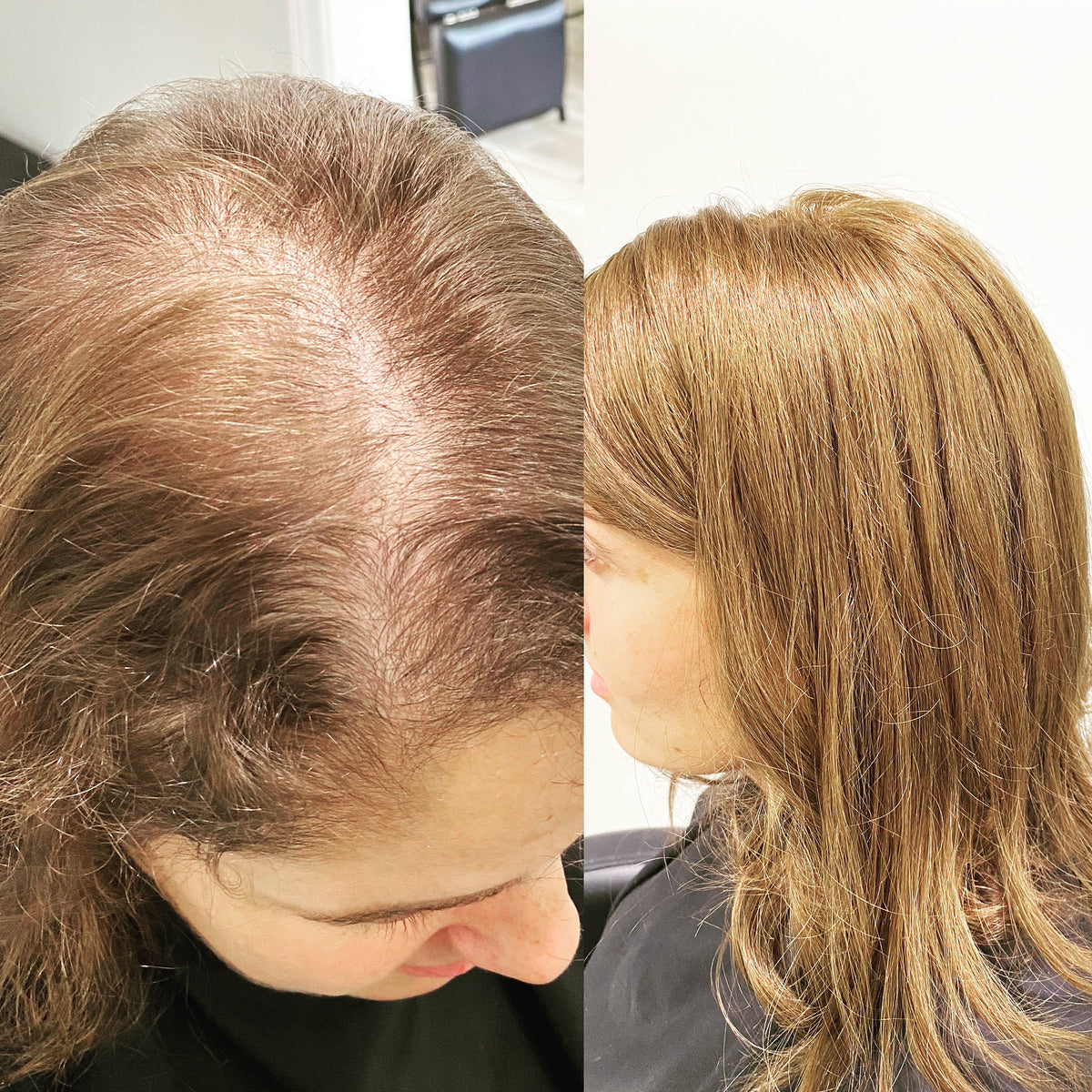
If you’re dealing with fine hair, thinning, or just want more fullness without compromising your natural hair, the right approach can completely transform how your hair looks and feels.
Book a free hair extension consultation to get a personalized plan based on your hair type, goals, and lifestyle—we’ll walk you through exactly what will work best for you.


