

Boston's Trichotillomania Help: How We Can Assist
Help for Hair-Pulling Disorder Boston
Are you aware of the resources available in Boston that can support you or a loved one struggling with hair-pulling disorder?
Hair-Pulling Disorder Overview
What is Trichotillomania?
Hair-pulling disorder, clinically called trichotillomania (often shortened to TTM), is a mental health condition in which a person repeatedly pulls out their hair from the scalp, eyebrows, eyelashes, or other body areas. For many, the behavior can feel similar to skin-picking, and it can lead to visible bald patches, thinning hair, or broken strands. In the moment, pulling can bring a rush of relief or comfort, which is part of why the cycle can be hard to stop. Understanding the science, triggers, and proven supports makes care more effective. This guide outlines causes, hair-pulling disorder symptoms, diagnosis, trichotillomania treatment options, complications, self-care strategies, and prevention tips—with practical insights for anyone seeking hair-pulling disorder help in Boston. Which part of this overview feels most relevant to your needs right now?
Understanding Trichotillomania
Trichotillomania is characterized by recurrent hair pulling that feels difficult to resist. People often describe a mounting internal tension or discomfort that builds before pulling and a sense of relief, calm, or satisfaction afterward. The behavior can be automatic (happening while reading, watching TV, or thinking) or focused (when someone consciously seeks out certain hairs). Over time, the cycle can cause noticeable patches, uneven hair density, or shorter regrowth. TTM can begin at any age and affects children, teens, and adults. It often fluctuates with stress, mood, and environment, and it can impact self-esteem, confidence, and social life. Learning what fuels the habit and what interrupts it is the first step toward change.
Understanding the Cycle
- Tension before pulling: a build-up of discomfort or urge.
- Relief afterward: brief calm or satisfaction that reinforces the habit.
Impact on Life
Symptoms can ebb and flow with stress, mood, and environment and may affect self-esteem, confidence, and social interactions.
Reflective Considerations
- When do you feel the strongest urge to pull—during stress, boredom, or specific routines?
- What habits or settings most often precede an episode?
The Science Behind TTM
What happens in the brain during hair pulling? A simple way to think about it is the “relief and reward loop.” When someone pulls, the brain releases dopamine—a chemical tied to pleasure and relief. That small burst can temporarily soothe stress, anxiety, or restlessness. Because the brain remembers relief, it nudges the person to repeat the behavior next time similar feelings arise. Over time, this loop strengthens, turning pulling into a powerful habit. Trichotillomania also shares features with obsessive-compulsive patterns: there can be intense urges, rituals, and a sense of being driven to act, even when the person wishes they wouldn’t. Knowing this isn’t about “willpower” but about a reinforced brain loop can reduce shame and open the door to practical habit-change tools.
Demographics affected by Trichotillomania
Trichotillomania can affect anyone—children, adolescents, and adults of all genders and backgrounds. Many first notice it in childhood or around puberty, when emotions and stressors often intensify. Young people may feel particularly vulnerable to social worries or body image concerns, which can compound pulling urges. Adults may also experience waxing and waning symptoms, with life events, work demands, or relationship stress increasing urges. In all cases, TTM can influence self-esteem, intimacy, and everyday confidence, but with education, skills training, and support, many people reduce symptoms and rebuild trust in themselves. What personal triggers have you noticed that contribute to your hair-pulling urges?
Recognizing Hair-Pulling Disorder Symptoms
Common signs and hair-pulling disorder symptoms include patchy hair loss, shorter broken hairs, uneven hair density, or thinning where pulling occurs. Some people notice more shedding on pillows or clothing, or spend extra time concealing areas with hairstyles, makeup, or accessories like hats and scarves. Eyelash or eyebrow pulling may lead to sparse areas or the frequent use of false lashes or brow products for coverage. Emotionally, people may feel shame, guilt, anxiety, or frustration about “not being able to stop,” even though they want to. Physically, repetitive pulling can irritate the skin, and some may experience complications when hairs are chewed or swallowed. Recognizing the full picture—both visible and emotional—helps guide timely, compassionate care. Ask yourself: What early warning signs tell you a pulling episode might be coming on?
Common signs of the disorder
Hair loss is the hallmark symptom. On the scalp, this might look like small circular patches, scattered areas with shorter regrowth, or wider regions of thinning. Around the eyes and brows, it may show as gaps or missing lashes. People may pull with fingers or use tweezers to grasp specific hairs with certain textures, colors, or “feel.” Many also notice a tendency to examine, rub, or roll the hair before or after pulling. The cycle can be self-reinforcing: embarrassment about visible patches raises stress, which then fuels more urges. Understanding this loop shifts the focus from blame to strategy. Reflective question: Which locations do you target most often, and what sensations or thoughts typically precede pulling in those spots?
The psychological and physical effects of trichotillomania can be wide-ranging and may include:
- Emotional strain: shame, guilt, low mood, and reduced self-esteem related to visible hair changes and perceived loss of control.
- Social impact: avoidance of photos, group activities, or close contact; fear of being “found out”; challenges with intimacy.
- Mood and anxiety: stress, rumination, and negative self-talk that sustain the pulling cycle and make it harder to break.
- Digestive risks: if hair is chewed or swallowed, it can accumulate and form hairballs, which may cause discomfort or blockages.
- Skin issues: irritation, inflammation, or infection in areas of frequent pulling, which can complicate healing and regrowth.
- Motivation and hope: with education, therapy, and tools, many people reduce the frequency and intensity of episodes and feel more in control.
Psychological and physical effects TTM
TTM can overlap with other body-focused repetitive behaviors, like onychophagia (nail-biting). Repeated pulling and picking can irritate the scalp or skin, and mood symptoms like anxiety or sadness may rise as distress accumulates. The encouraging news is that there are multiple paths to improvement. Professional support and structured techniques for the treatment for trichotillomania can lessen both emotional strain and visible effects. Approaches such as structured skills practice and tailored plans for the treatment of trichotillomania help many people experience fewer urges and more days without pulling. Quick check-in: Which coping strategies have brought you even small wins—and how might you repeat those wins more often?
Unveiling the Causes of Trichotillomania
The roots of TTM tend to be multifactorial. Research suggests a mix of biology and environment can contribute, and the exact causes can differ from person to person. Some individuals may have a family history of repetitive behaviors or anxiety traits; others notice pulling intensifies during stressful seasons or when routines are disrupted. Exploring both the inner landscape (thoughts, emotions, body sensations) and the outer one (situations, people, and settings) clarifies which levers to target in treatment. Learn more about common contributors and how this knowledge informs individualized care plans with resources on the causes of trichotillomania. Reflective question: Which patterns—stress, fatigue, boredom, perfectionism—seem most tied to your pulling?
Genetic factors involved
Genetic influences may raise susceptibility. Some people report relatives with hair-pulling, skin-picking, obsessive-compulsive patterns, or related traits. Biology can also shape how sensitive the brain’s reward system is, making relief-feeling habits “stickier.” Hormonal shifts and individual brain chemistry may change how intense urges feel or how satisfying relief seems after pulling. Recognizing that this is a brain-based behavior—rather than a character flaw—can reduce stigma and make it easier to seek support. Question to ponder: Does anyone in your family describe similar urges or repetitive habits, even if the behaviors look different?
Environmental triggers
Environment often acts as the spark that lights the fuse. Everyday stressors, transitions, and social pressures can intensify urges, especially when coping skills are stretched thin. Common triggers include:
- Stress surges: exams, deadlines, major life events, or conflict can heighten internal tension and prompt pulling as a quick “release.”
- Boredom and fatigue: long periods of inactivity, late nights, or mindless scrolling can encourage automatic pulling.
- Social pressures: feeling scrutinized, navigating public spaces, or anticipating judgment may increase urges to cope or self-soothe.
- Context cues: mirrors, specific chairs, bathrooms, or particular lighting can become associated with pulling episodes.
- By mapping triggers, people can take small preventive steps—shifting routines, adding gentle structure, or using planned substitutes—that gradually reduce the habit’s pull.
Question for awareness: Which places, times of day, or activities seem to make pulling more likely for you?
Getting Diagnosed with Trichotillomania
Diagnosis typically starts with a thorough conversation about symptoms, patterns, and history. Many people meet with both dermatology and mental health providers: dermatology can evaluate the scalp, lashes, brows, or other areas; mental health professionals can assess urges, stress, and related conditions. Sometimes, a dermatologist may examine follicles closely or, when necessary, perform a small sampling procedure to rule out other causes of hair loss. The benefit of a clear diagnosis is that it guides a personalized plan—therapy methods, coping skills, and, when indicated, medication or supplements. Consider: What would you most like a clinician to understand about your experience before recommending a plan?
Diagnostic process
Assessment usually includes several steps:
Thorough assessment: A clinician explores where and how often pulling occurs, the emotional build-up, what relief feels like, and any skin or scalp changes. They also screen for overlapping conditions like anxiety or mood symptoms.
Clinical interviews: Structured conversations help clarify triggers, routines, and beliefs about pulling, as well as the impact on daily life, relationships, and self-image.
Observation: In some cases, providers ask about or observe grooming routines to identify automatic moments and tactile cues that maintain the habit.
Punch biopsy: If needed, a dermatologist may take a tiny skin sample to examine follicles and rule out other hair or skin disorders that could mimic TTM.
With a fuller picture, the care team can propose a plan that balances compassion, skill-building, and practical tools. Reflective question: What outcome would make diagnosis feel worthwhile to you—clarity, a tailored plan, or reassurance that change is possible?
Role of medical tests in diagnosis
While trichotillomania itself is not defined by a specific lab test, medical testing can help exclude other causes of hair loss or skin changes. A small biopsy may confirm that follicles are present but stressed from traction. When appropriate, providers might also run basic labs to check for other issues that could contribute to hair concerns. The goal is accuracy: understanding what is—and isn’t—driving symptoms. Question to consider: Would knowing that your follicles can recover with reduced pulling change how you approach a treatment plan?
Effective Treatments for Trichotillomania
Help for trichotillomania is available, and recovery is often built from small, repeatable steps. Among trichotillomania treatment options, two pillars of care are habit reversal training and, in some cases, medication. Many people also benefit from supportive tools, environmental tweaks, and community encouragement, and combining approaches often works best.
Habit reversal training (HRT) teaches you to notice the earliest hints of an urge, interrupt the pattern, and substitute a competing response that satisfies your hands or attention without pulling. Over time, these swaps weaken the relief-and-reward loop. HRT is practical, skills-based, and can be tailored to automatic or focused pulling styles.
Medications are sometimes used to ease co-occurring anxiety or depressive symptoms and may help reduce the intensity of urges for some. They are often paired with therapy so skills and confidence grow alongside symptom reduction.
Hypothetical scenarios that show progress
To make these options concrete, here are three fictional vignettes that mirror common experiences and outcomes:
- Individual A’s journey: After years of TTM, they join a Boston support group, share openly, and practice mindfulness learned from peers. Over several months, episodes lessen and they feel more connected, which reinforces healthier routines.
- Family support with Individual B: A teen begins CBT with a clinician while family members learn neutral, supportive feedback and set up the home with gentle prompts and substitutes. Within a few months, urges feel more manageable, school and friendships feel easier, and confidence grows.
- Individual C’s goals: They enroll in an intensive program using acceptance and commitment techniques, set values-based goals, and practice letting urges rise and fall without acting. After steady work across the year, they report fewer high-intensity episodes and greater emotional well-being.
Medications and their effects
Medications and certain supplements may be part of a comprehensive plan, especially when symptoms are intense or when mood and anxiety make pulling harder to manage. Selective serotonin reuptake inhibitors (SSRIs), for example, may help some individuals decrease the intensity of urges and lift mood, enabling therapy skills to work better. Responses vary: some notice helpful change, while others benefit more from behavioral strategies. Side effects are possible, so ongoing follow-up is important to adjust timing or dosage and to track benefits against downsides. The guiding principle is collaboration—medication can support progress, but behavior change cements it. Reflective prompt: If medication eased your most difficult moments, which skill would you practice first to build momentum?
Therapeutic approaches to treatment
Therapy offers a toolkit for understanding triggers and building new routines. Cognitive-behavioral therapy (CBT) helps shift unhelpful thoughts, reduce self-criticism, and create practical action plans. Habit reversal training, a CBT method, focuses on awareness training (spotting the first urge), a competing response (like fist clenching, fidget tools, or knitting), and building a supportive environment (keeping hands busy at predictable times). Some people also use acceptance and commitment techniques to stay present with discomfort, choose valued actions, and move gently through urges without engaging in pulling. Structured tracking, small goals, and patience are key. Question for focus: Which replacement activity could you practice daily for one minute to make it your new default when an urge hits?
The Role of Self-Care in Managing Trichotillomania
Self-care is not a luxury—it is part of treatment and includes mental health strategies for TTM. When stress falls and nervous energy has outlets, urges often soften. Intentional routines help the brain shift away from automatic pulling. Think of self-care in three layers: calming the body (breath, movement, rest), engaging the hands (productive, sensory activities), and caring for appearance in gentle ways that make you feel supported rather than scrutinized.
Practical mini-checklist you can tailor today:
- Plan hands-on activities for high-risk times (evenings, TV time, studying): doodling, crochet, stress balls, or fidget cubes.
- Use “urge alarms” on your phone every hour during risky windows; when it goes off, do a 30-second competing response.
- Protect hot spots with gentle barriers (headbands, soft beanies) at times you typically pull without noticing.
- Keep mirrors or tweezers out of immediate reach; add a small delay before grooming to reduce automaticity.
- Pair relaxing breathwork with touch: inhale for 4, exhale for 6 while gently pressing fingertips together.
Question for planning: Which single change—barriers, fidgets, or scheduled breaks—feels easiest to try this week?
Lifestyle changes that can help
Small adjustments, repeated consistently, can add up to meaningful change. Consider these lifestyle supports:
- Stress management: build brief calming practices into transitions—after work, before bed, or between tasks (breathwork, light stretching, short walks).
- Predictable routines: consistent sleep and mealtimes stabilize energy and attention, reducing windows for automatic pulling.
- Healthy distractions: line up hobbies you enjoy—music, puzzles, crafting, journaling—that keep both hands and mind engaged.
- Social anchors: plan low-pressure interactions that promote connection and accountability without focusing on appearance.
- Self-compassion rituals: speak to yourself as you would to a friend; celebrate urge passes and partial wins, not just “perfect” days.
Quick question: Which time of day feels most vulnerable—and what 10-minute routine could you plug in there to shift momentum?
Coping mechanisms for hair-pulling and support networks
Personalized coping tools make a difference. Many people benefit from tactile substitutes (textured fabrics, putty, smooth stones) and structured hand tasks (coloring, knitting, sorting beads). Others find relief in body-based regulation—paced breathing, progressive muscle relaxation, or grounding exercises. Just as important is support: a trusted friend, family member, coach, or group can reduce isolation and reinforce progress with empathy instead of pressure. Sharing wins and setbacks with someone who “gets it” lightens the load and increases follow-through.
Try a simple support plan:
- Choose one “check-in buddy” for a weekly text about goals and observations.
- Create a neutral language cue (e.g., “hands”) that a loved one can use gently if they notice pulling.
- Place fidget tools in key spots—desk, bedside, couch—so alternatives are always within reach.
- Use a small notebook to track urges, what helped, and one thing you’re proud of each day.
Engagement prompt: How crucial is a supportive community or accountability partner for you when building new habits?
Potential Complications of Trichotillomania
Untreated, TTM can carry emotional and physical consequences. Emotionally, cycles of shame and secrecy can magnify stress, fueling more urges. Socially, people may avoid activities or intimacy, which can shrink life’s joys. Physically, repeated traction may irritate the scalp or skin, and if hairs are chewed or swallowed, gastrointestinal problems can arise. Early, compassionate intervention helps minimize these risks and restores a sense of agency. Question to reflect on: What costs—emotional or practical—motivate you most to pursue change right now?
Impact on mental health: Persistent worry about appearance, fear of being judged, and frustration with habits can weigh heavily. These experiences may intensify anxiety or low mood, undermine confidence, and interfere with goals at school or work.
Long-term effects: Chronic pulling can disrupt normal growth cycles and may contribute to skin or follicle irritation. The good news is that reducing pulling often improves comfort and appearance over time, and many people see meaningful regrowth with sustained change.
Think about this: If even a small reduction in pulling improved your confidence this month, what would you do differently socially or professionally?
Impact on mental health
TTM can shape daily choices—what to wear, where to sit, how close to stand—creating invisible limits. Over time, these adjustments can narrow opportunities and fuel loneliness. It’s common to experience self-critical thoughts like “I should be able to stop,” which further raise stress. Reframing the behavior as a brain-based loop makes room for compassion and curiosity: “What is the urge trying to do for me—and what else might help?” With treatment, people often report feeling more present, less preoccupied with appearance, and more open to connection. Engagement question: Have you noticed times when being around understanding people reduces your urges?
Long-term physical effects
Long-term pulling can contribute to:
- Digestive tract blockages: Ingested hair does not break down easily and can accumulate.
- Hairball formation: Collections of hair may require medical attention in some cases.
- Skin conditions: Inflammation or irritation from frequent pulling can affect comfort and appearance in targeted areas.
- With early support and consistent coping strategies, many of these risks can be reduced substantially.
Question for awareness: What early physical signs—tenderness, redness, or itch—tell you it’s time to switch to a gentler coping strategy?
Prevention Strategies for Trichotillomania
Complete prevention is not always possible, but meaningful risk reduction is. The goal is to lower exposure to triggers, add gentle friction to old habits, and reinforce positive associations with hair and self-care. Over time, these small shifts change the environment in which urges occur, making helpful choices easier than harmful ones.
Positive feelings: Support your relationship with your hair through kind self-talk, nurturing routines, and styles you like. Visualize how you want to feel—calm, confident, and in control—and use that feeling as a north star during urges.
Self-awareness: Map your personal hot spots and times of day. If you pull most while studying at the desk, keep textured tools there and wear a soft headband. If bedtime is tough, replace scrolling with a relaxing routine and a fidget option on the nightstand.
Educational resources: Reliable information and community stories can normalize the experience and reduce shame. Learning about how habits form and which tools help equips you to experiment and adapt over time.
Try a brief prevention framework:
- Identify two daily “high-risk” windows and prepare a hands-on alternative for each.
- Reduce friction for good habits (fidgets within reach) and add friction to pulling (cover hot spots during vulnerable times).
- Rehearse a 10-second “urge script”: name the urge, breathe, start your competing response.
- Track streaks and celebrate tiny wins—one less episode is progress worth noting.
Question to consider: Which one prevention tactic—barrier, script, or substitute—could you commit to practicing for the next seven days?
How does custom hair integration deter hair pulling?
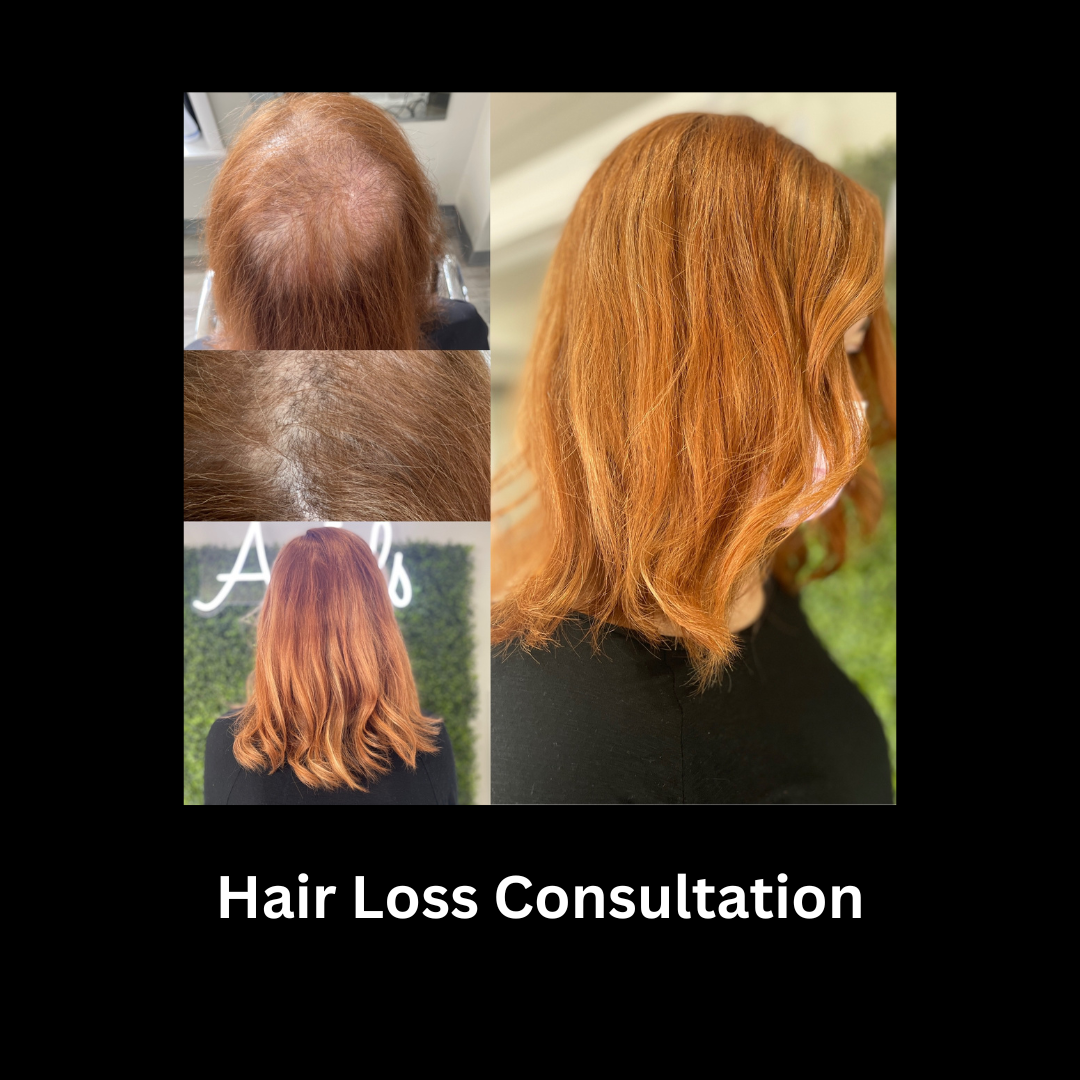
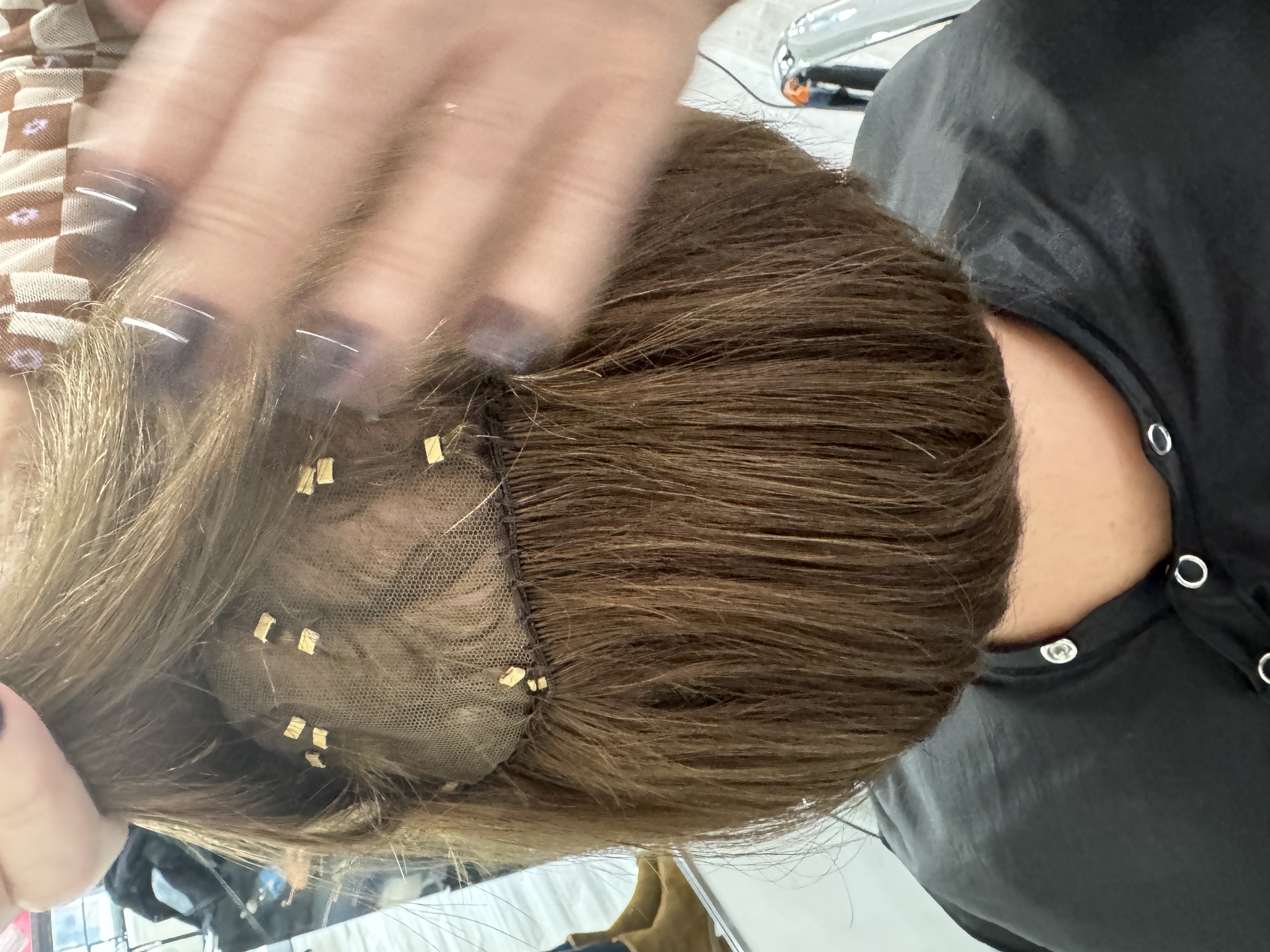
Custom Mesh Integration can serve as a practical protective aid for people working to reduce pulling. These custom hair integration wigs are crafted with high-quality human hair and are designed to blend seamlessly with existing hair. A secure, comfortable fit creates a gentle barrier between fingers and vulnerable areas, making pulling less accessible during high-risk moments. For many, this added layer does more than protect—it can also restore a sense of normalcy in appearance, which reduces stress and self-consciousness that might otherwise feed the habit loop. In day-to-day life, the system can be a tangible reminder of progress, supporting regrowth while reinforcing new coping strategies.
Practical tips for using integration as part of a plan:
- Pair the system with HRT: practice a competing response whenever you notice your hands reaching for covered areas.
- Keep fidgets handy even with the barrier in place, so your hands have a satisfying alternative.
- Set gentle routines for care and maintenance; a calm, predictable process can reduce appearance-related stress.
- Use the visible improvement in styling options as motivation to continue behavioral work.
Question for planning: If a protective style made pulling harder and confidence higher, what other habit change would you find easier to try?
Seeking Help in Boston
Our Commitment
Our commitment is to offer comprehensive, tailored resources, treatment options, and community support for people in Boston navigating hair-pulling disorder. We help you combine behavioral therapies, practical protective aids, and everyday coping skills into a plan that aligns with your goals and lifestyle.
What kind of support in Boston would be most helpful for you right now?
Conclusion
Trichotillomania is a challenging mental health condition defined by a compulsive urge to pull hair, often leading to physical and emotional distress that affects self-esteem and social life. Effective support is available in Boston through therapeutic approaches, community resources, and self-care strategies that help reduce urges and rebuild confidence.
Final reflection: What is one small, specific step you will take today to care for your mind, your hair, and yourself?


