

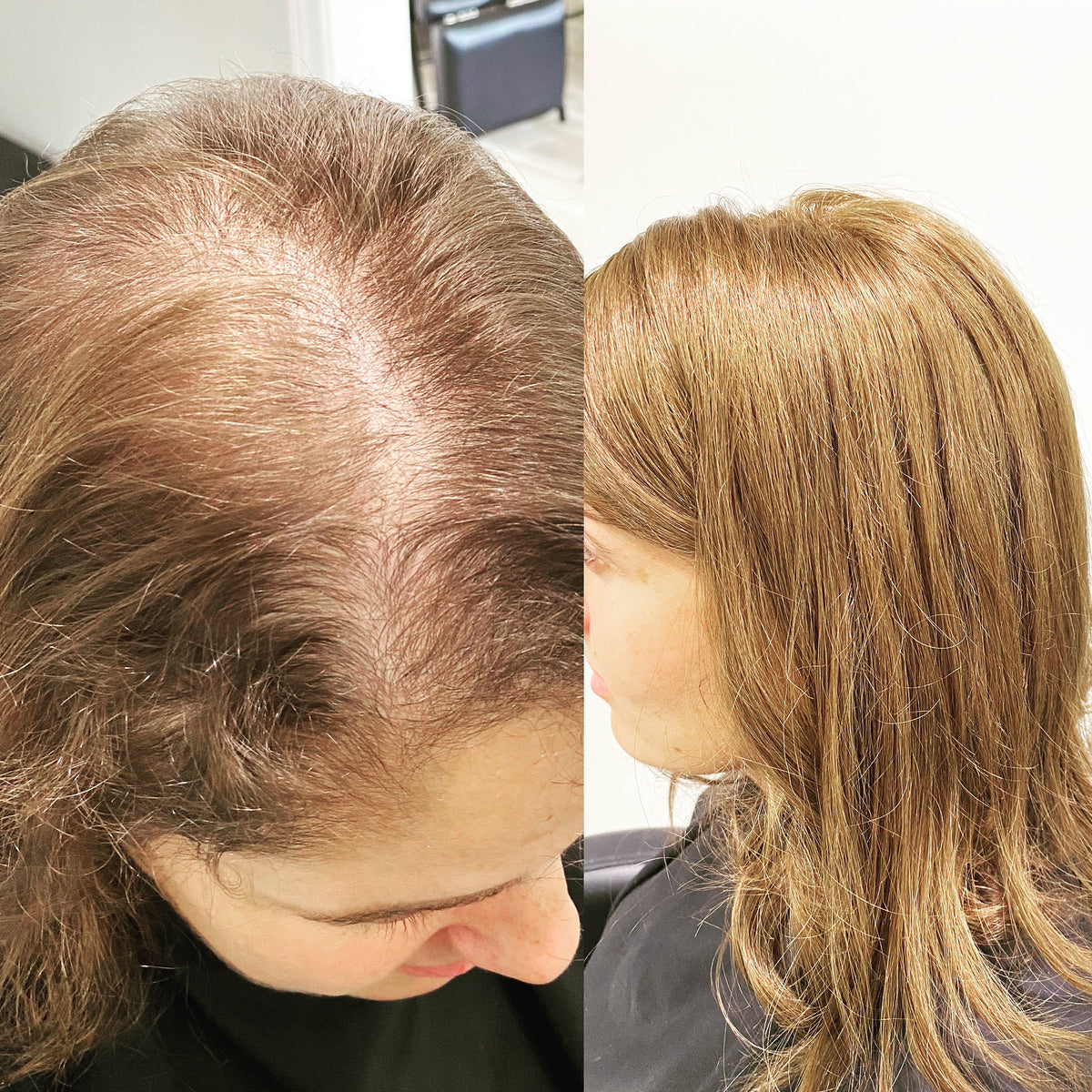


What Happens During a Hair Loss Consultation? A Boston Expert Explains
Many women wait months—or even years—before scheduling a consultation for Hair Loss Boston concerns.
They change hairstyles to hide thinning areas. They avoid bright lighting and photographs. They buy supplements, try new shampoos, and hope the problem will somehow improve on its own.
For many women, the hair loss itself is only part of the struggle.
The bigger challenge is the uncertainty.
Will my hair continue to get thinner?
Will people notice?
Will I ever feel like myself again?
By the time most clients contact us, they are often carrying fear, embarrassment, frustration, and countless unanswered questions.
The good news is that you do not need to have all the answers before scheduling a consultation.
The purpose of a hair loss consultation isn't to pressure you into a solution. It is to understand what is happening, answer your questions, evaluate your options, and help you move forward with confidence.
Whether you are experiencing female pattern hair loss, menopause-related thinning, alopecia, trichotillomania, or another form of hair loss, our goal is simple: to provide compassionate guidance, honest recommendations, and solutions designed around your individual needs.
In this guide, we'll walk you through exactly what happens during a hair loss consultation and what you can expect every step of the way.

What Happens During a Hair Loss Consultation?
Quick Answer
During a hair loss consultation, a specialist evaluates hair density, scalp visibility, hair loss history, lifestyle, medical background, and treatment goals. The consultation helps determine whether solutions such as hair toppers, mesh integration, hair extensions, wigs, or medical referrals may be appropriate.
Why Most Women Feel Nervous Before a Hair Loss Consultation
One of the first things we tell clients is:
You are not alone.
Many women tell us they almost canceled their appointment because they felt embarrassed about someone seeing their hair.
They worry about:
- Being judged
- Looking foolish
- Hearing bad news
- Being told they need a wig
- Being pressured into buying something
- Discovering their hair loss is worse than they thought
The truth is that nearly every client who walks through our doors feels some level of anxiety.
That is completely normal.
We Start Calming Nerves Before You Ever Walk Through the Door
One of the things that makes our process different is that support often begins before a client ever visits the salon.
Many women start with:
- Phone consultations
- Email consultations
- Photo consultations
Clients frequently send photos and describe their concerns before booking an appointment.
Sometimes all they need initially is reassurance.
Often, by the time women arrive, much of the anxiety has already disappeared because they've already spoken with someone who understands what they are going through.
For clients who are especially self-conscious, we also offer private consultation areas where concerns can be discussed comfortably and confidentially.

You Are Not Alone
One of the most surprising things many women discover during a consultation is how many other women are experiencing similar challenges.
Many clients spend years believing they are the only person dealing with thinning hair, scalp visibility, alopecia, trichotillomania, menopause-related hair changes, or female pattern hair loss.
Then they walk into the salon and realize they are surrounded by people navigating similar journeys.
One of the most common comments we hear is:
"I had no idea so many women were dealing with this."
Our website, social media channels, and transformation galleries help women see real success stories and understand that there are options available.
Some clients even meet other hair loss clients who are willing to share their experiences and recovery journeys.
Sometimes that alone helps remove a tremendous amount of fear.
Why Experience Matters
Over the past 35 years, I have worked with women experiencing:
- Female pattern hair loss
- Menopause-related thinning
- Alopecia
- Trichotillomania
- Chemotherapy-related hair loss
- Thyroid-related hair loss
- Diffuse thinning
Because of this experience, I was invited to discuss hair loss and trichotillomania on local television.
Education is an important part of every consultation. Understanding the cause of hair loss and the available options often helps reduce fear before any solution is chosen.
Understanding Your Hair Loss Story
Every consultation begins with a conversation.
Before discussing solutions, we want to understand your history.
We may discuss:
- When the hair loss began
- Family history
- Menopause
- Hormonal changes
- Thyroid conditions
- Autoimmune disorders
- Medications
- Recent illness
- Weight loss
- Stress
- Hair pulling behaviors associated with trichotillomania
One of the biggest surprises for many women is learning that two people with similar-looking thinning hair may have completely different causes.
A woman experiencing menopause-related thinning may need a very different approach than someone experiencing trichotillomania, alopecia, or active shedding caused by illness.
Understanding the cause helps us create the most appropriate plan.
Common Fears We Hear Every Week
Will People Know?
Most modern hair loss solutions are customized to blend naturally with your existing hair.
Will It Look Fake?
One of our goals is creating results that look believable, comfortable, and appropriate for your lifestyle.
Will My Hair Ever Grow Back?
The answer depends on the cause of the hair loss. This is one of the reasons consultations are so important.
Am I Going To Need A Wig?
Not necessarily.
Many women who believe they need a wig actually qualify for other solutions such as toppers, mesh integration systems, or customized extension strategies.
Can I Still Wear My Hair Up?
In many cases, yes.
The answer depends on the solution selected and your remaining hair density.
The Tug Test: Why We Check For Active Shedding First
Before discussing extensions, toppers, or mesh integration, we want to determine whether active shedding is occurring.
One of the ways we evaluate this is through a tug test.

If significant shedding is still occurring, our first priority is understanding why.
There is often little benefit to adding a cosmetic solution if active shedding is not yet under control.
Our goal is always to protect the hair you still have while developing the safest and most effective plan possible.
What Happens Before We Recommend Any Solution?
One of the biggest misconceptions we see is the belief that every client receives the same recommendation.
That could not be further from the truth.
Before recommending any solution, we evaluate:
- Density
- Scalp visibility
- Support capacity
- Lifestyle
- Hair goals
- Maintenance preferences
- Long-term expectations
This is especially important for women with fine hair.
You can learn more in our article:
Why Fine Hair Requires a Different Extension Strategy: What 35 Years Has Taught Me
Trying Solutions Before Making a Decision
One of the most reassuring parts of the consultation process is being able to see and touch potential solutions.
Many clients are surprised to learn that we keep many options available for clients to try during consultations.
Clients can:
- Try on toppers
- Compare densities
- Explore colors
- Feel different hair textures
- Discuss customization options
Many women arrive convinced they need one solution and leave realizing another option is actually a better fit.
In some cases, clients who initially believe they need a topper discover they may be candidates for customized Hair Extensions Boston solutions designed specifically for fine hair, thinning hair, and scalp-conscious application. In other situations, a topper, mesh integration system, or wig may be the better choice. The consultation helps determine the safest and most effective path forward.

Which Hair Loss Solution Is Right For You?
Depending on your situation, recommendations may include:
- Hair Topper vs Hair Extensions for Thinning Hair
- What Is Mesh Integration and Who Is It Best For?
- Hair Extensions for Fine and Thinning Hair Boston
- Can Hair Extensions Help Hide Hair Loss?
- Wigs
- Hair systems
- Medical referrals when appropriate
Recommendations may include hair toppers, mesh integration systems, wigs, hair systems, lightweight hair extensions, or medical referrals depending on your individual needs. During the consultation, we'll explain the advantages and limitations of each option and help determine the most appropriate solution for your situation.
| Concern | Possible Solution |
|---|---|
| Mild crown thinning | Hair Topper |
| Diffuse thinning | Hair Extensions, hair topper or a combination approach |
| Patchy hair loss | Mesh Integration |
| Trichotillomania | Topper or Integration System |
| Advanced hair loss | Wig or Hair System |
A Real Consultation Example
One client arrived convinced she needed a wig because she felt her thinning had become too noticeable. After evaluating her remaining density and support capacity, we discovered she was actually an excellent candidate for a customized topper. Being able to see and try options in person immediately reduced much of her anxiety and helped her move forward with confidence.
Every consultation is individualized.
Insurance, Maintenance, and Long-Term Planning
During your consultation we discuss:
- Insurance reimbursement possibilities
- Maintenance schedules
- Home care requirements
- Product recommendations
- Longevity expectations
- Future replacement needs
We believe informed clients make better decisions.
What Happens After The Consultation?
Your consultation does not end when you leave the salon.
Every client receives:
- Care instructions
- Maintenance guidance
- Product recommendations
- Ongoing support
- Complimentary two-week follow-up check-in
Hair loss journeys evolve over time, and our team remains available to help as your needs change.
Why Women Choose Noelle Salon For Hair Loss Support
Our staff is trained to approach hair loss with compassion, discretion, and understanding.
You will work directly with the stylist best suited to your needs, while I remain available for advanced questions, complex cases, and solution planning developed through more than 35 years of experience helping women navigate hair loss.
Many women tell us that the greatest relief comes from finally finding someone who understands what they are experiencing.
Sometimes that conversation alone changes everything.
Schedule Your Hair Loss Consultation
Whether you are experiencing thinning hair, female pattern hair loss, alopecia, menopause-related thinning, or trichotillomania, our team is here to help.
We will listen to your concerns, evaluate your options, and help you develop a plan designed around your unique situation.
Schedule your Hair Loss Consultation Boston appointment today and discover solutions designed to restore confidence, comfort, and peace of mind.
Frequently Asked Questions
What should I bring to a hair loss consultation?
Bring a list of medications, recent diagnoses, and photos showing how your hair has changed over time if available.
What if I don't know what type of hair loss I have?
That is completely normal. Many clients schedule consultations before receiving a formal diagnosis.
Can I bring a friend or family member?
Absolutely. Many clients feel more comfortable bringing someone they trust.
Will I need a wig?
Not necessarily. Many women qualify for toppers, mesh integration systems, or customized extension solutions.
Can I wear a hat to my appointment?
Yes. Wear whatever makes you feel most comfortable.
Can I wear extensions if I'm still losing hair?
Sometimes yes and sometimes no. This depends on the cause of the shedding, the health of your remaining hair, and whether you have enough support capacity to safely wear Hair Extensions Boston specialists recommend for fine or thinning hair.
Does insurance ever cover hair loss solutions?
In some situations, insurance reimbursement may be available. We discuss this during consultations.
What if I become emotional during my consultation?
Many clients do. Hair loss is deeply personal, and our team approaches every consultation with compassion and understanding.
How long does a hair loss consultation take?
Most consultations last approximately 60–90 minutes depending on complexity.
Do you help clients with trichotillomania?
Yes. We have extensive experience helping clients with trichotillomania and understand both the emotional and cosmetic challenges involved.


