

Female Pattern Hair Loss vs Telogen Effluvium: How To Tell The Difference
At our Boston salon, it's common to meet women who have spent months trying to determine whether they are experiencing excessive shedding, progressive thinning, or a combination of both.
"I think I'm losing my hair."
The challenge is that hair loss isn't always the same thing.
Some women are experiencing excessive shedding. Others are slowly losing density over time. Some notice a widening part. Others find handfuls of hair in the shower. To the person experiencing it, all of these situations can feel the same: their hair looks thinner than it used to.
After more than 35 years helping women navigate Hair Loss Boston, hair toppers, mesh integration systems, and hair extensions for fine hair, I've learned that one of the most important parts of a consultation is understanding what type of hair loss pattern may be occurring.
While I do not diagnose hair loss conditions, I often help clients identify patterns, ask the right questions, and determine when a dermatologist should be involved before considering cosmetic hair solutions.
One of the most common questions I hear is:
"How do I know if this is Telogen Effluvium or Female Pattern Hair Loss?"
The answer isn't always straightforward, but there are often clues that can help guide the next step.
Quick Answer: What Is The Difference Between Female Pattern Hair Loss And Telogen Effluvium?
Female Pattern Hair Loss and Telogen Effluvium can both make hair appear thinner, but they often present very differently.
Telogen Effluvium typically causes increased shedding that may begin several months after a trigger such as illness, surgery, childbirth, significant stress, rapid weight loss, thyroid changes, menopause-related hormonal shifts, or certain medications.
Female Pattern Hair Loss usually develops more gradually. Women often notice a widening part, increased scalp visibility, decreased density at the crown, or a ponytail that becomes thinner over several years.
| Feature | Telogen Effluvium | Female Pattern Hair Loss |
|---|---|---|
| Onset | Often sudden | Usually gradual |
| Shedding | Often significant | Often minimal |
| Trigger Event | Frequently present | Often absent |
| Widening Part | Possible | Common |
| Crown Thinning | Possible | Common |
| Family History | Not required | Often present |
| Primary Concern | Hair shedding | Loss of density |
While every situation is unique, these patterns often provide useful clues during a consultation. Understanding the difference between shedding and density loss is one of the first steps toward determining what may be happening.
One condition is frequently associated with active shedding. The other is often associated with progressive miniaturization and loss of density. Understanding the difference can help determine the next step.

Why So Many Women Confuse The Two
One reason these conditions are frequently confused is that both can make hair appear thinner.
A woman experiencing Telogen Effluvium may feel like she has suddenly lost half her hair because of the amount she sees in her brush, shower, and clothing.
A woman with Female Pattern Hair Loss may not notice much shedding at all. Instead, she may realize her scalp is becoming more visible, her part is wider than it used to be, or styling her hair has become more difficult.
Many women come to our salon convinced they have Female Pattern Hair Loss because their hair looks thinner. Others assume they are "just shedding" when they have actually been losing density for years.
Understanding whether you are experiencing active shedding or progressive density loss is often one of the first clues.
If you're still trying to understand why your hair is changing, our guide on Why Is My Hair Thinning? The 12 Most Common Causes of Hair Loss for Women In Boston can help explain many of the factors that contribute to hair loss and excessive shedding.
Shedding Versus Losing Density
This is one of the most important distinctions I discuss during consultations.
Shedding refers to the number of hairs leaving the scalp.
Density refers to the amount of hair remaining on the scalp.
A person can shed heavily while still having relatively good density.
A person can also have very little noticeable shedding while slowly losing density over many years.
When clients understand this difference, many begin to recognize why their experience may fit one pattern more closely than another.
How The Timeline Often Differs
One of the biggest clues discussed during a hair loss consultation is timing.
Telogen Effluvium
Trigger Event
↓
2–4 Months Later
↓
Increased Shedding
↓
Noticeable Loss Of Volume
Female Pattern Hair Loss
Gradual Miniaturization
↓
Reduced Density
↓
Widening Part Line
↓
Increased Scalp Visibility
While every woman's experience is unique, the timeline is often one of the biggest clues discussed during a hair loss consultation.

What Telogen Effluvium Often Looks Like In Real Life
When clients experiencing Telogen Effluvium sit in my chair, the story is often remarkably similar.
They tell me:
"My hair was fine a few months ago."
"I suddenly started seeing hair everywhere."
"The shower drain fills up."
"My brush is full of hair."
"My ponytail feels half the size it used to be."
Often there is a significant event several months before the shedding began.
Common triggers discussed during consultations may include:
Illness
COVID
Surgery
Childbirth
Significant emotional stress
Rapid weight loss
GLP-1 medications
Thyroid changes
Hormonal shifts
Menopause transitions
Again, this does not mean these events caused the hair loss in every case. It simply means they are common discussion points during consultations.

One thing I frequently notice is that women experiencing Telogen Effluvium often talk about what they are losing. They notice hair on their clothing, in the shower, on their pillow, or in their brush. Their focus is usually on the amount of shedding rather than specific areas of thinning.
What Female Pattern Hair Loss Often Looks Like In Real Life
Female Pattern Hair Loss usually tells a different story.
Instead of describing sudden shedding, clients often say:
"My part keeps getting wider."
"I can see more scalp than I used to."
"My crown looks thinner in pictures."
"My hair won't hold volume anymore."
"This has been getting worse over several years."
Unlike Telogen Effluvium, the changes are often gradual.
Women frequently adapt to the changes over time until one day they compare photos and realize how much density has been lost.
Many women don't realize that early changes can be subtle. That's why I often encourage clients to compare older photos and pay attention to changes in their part line, crown density, and overall scalp visibility.

For women who have recently received a diagnosis or suspect they may be experiencing hereditary thinning, our article on Early Female Pattern Hair Loss: What Happens After You're Diagnosed? explains what many women experience next.
The Questions I Ask During A Hair Loss Consultation
One of the most valuable parts of a consultation is simply asking the right questions.
After working with thousands of women experiencing thinning hair, these are some of the questions I commonly ask:
When did you first notice changes?
Did the change happen suddenly or gradually?
Have you experienced illness recently?
Have you undergone surgery?
Have you had a baby within the last year?
Have you lost significant weight?
Have you started a new medication?
Have you experienced thyroid issues?
Does hair loss run in your family?
Where do you notice thinning first?
The answers often provide important context and help determine whether additional medical evaluation may be beneficial.

If you're curious about what happens during a professional evaluation, you may also find our guide on What To Expect During A Hair Loss Consultation helpful.
When I Recommend Seeing A Dermatologist Before Any Hair Solution
One of the most important things I've learned over the years is knowing when a cosmetic solution should not be the first step.
If a client tells me she is actively shedding significant amounts of hair, has experienced sudden density loss, or has not yet had a medical evaluation, I often encourage her to consult with a dermatologist before pursuing any hair enhancement service.
While I do not diagnose hair loss conditions, identifying a possible medical cause may be just as important as finding the right cosmetic solution.
In some cases, understanding why the hair loss is occurring can influence the best long-term strategy moving forward.
This approach reflects our commitment to helping clients protect the health of their natural hair first.
After more than three decades working with women experiencing thinning hair, I've learned that the best outcome often comes from having the right professionals involved at the right time. Sometimes that means a dermatologist should be part of the conversation before we discuss cosmetic solutions.
Can You Have Both Telogen Effluvium And Female Pattern Hair Loss?
Yes.
One of the reasons hair loss consultations can be complex is that women may experience more than one type of hair loss at the same time.
For example, a woman with underlying Female Pattern Hair Loss may also experience a Telogen Effluvium event following illness, surgery, menopause-related hormonal changes, or significant stress.
This can make thinning appear more dramatic and may accelerate concerns that were already developing.
Because every situation is unique, a thorough consultation and, when appropriate, medical evaluation can help clarify the picture.
What Happens After You Understand The Cause?
Once a client has a better understanding of what may be contributing to her hair concerns, we can begin discussing solutions.
Every situation is different.
Some women benefit from monitoring and observation.
Others may explore:
Hair Toppers
Mesh Integration Systems
Hair Extensions For Thinning Hair
Custom Combination Solutions
In many cases, the best solution is not a single product but a customized strategy designed around the individual's density, support capacity, lifestyle, and goals.
Women comparing cosmetic solutions may find our guide on Hair Topper vs Hair Extensions For Thinning Hair: Which Solution Is Right For You? helpful.
For more advanced cases, What Is Mesh Integration And Who Is It Best For? explains another option that may be appropriate for certain types of hair loss.
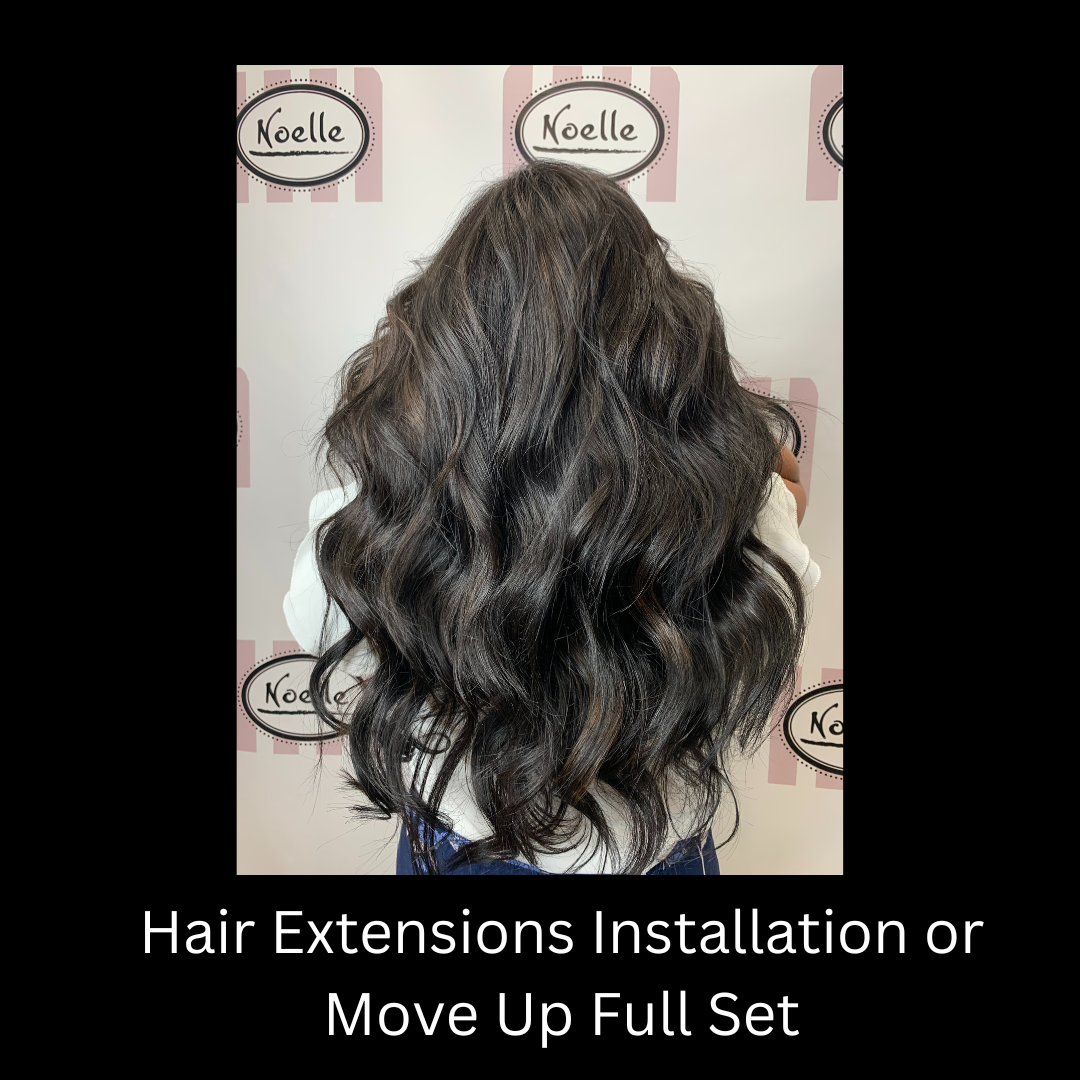
A customized solution using a hair topper integrated with hair extensions to add density and coverage in areas where hair is missing while maintaining a natural appearance.
Conclusion
Female Pattern Hair Loss and Telogen Effluvium can appear similar at first glance, but they often present very differently during a consultation.
One may involve significant shedding. The other may involve gradual density loss. Both deserve thoughtful evaluation.
One thing I've learned after more than 35 years working with women experiencing hair loss is that many arrive convinced they know what's happening, only to discover the pattern they're describing is different from what they expected. That's why understanding the story behind the hair loss is often just as important as evaluating the hair itself.
Whether your concern is excessive shedding, a widening part, increased scalp visibility, or progressive thinning, a professional consultation can help you better understand your options and determine whether medical evaluation should be part of your next step.
Schedule A Hair Loss Consultation In Boston
If you're noticing increased shedding, a widening part, reduced density, increased scalp visibility, or changes in your hair that concern you, you don't have to figure it out alone.
After more than 35 years helping women navigate thinning hair, hair loss, hair toppers, mesh integration systems, and fine hair challenges, I understand how overwhelming and emotional these changes can feel.
During your consultation, we'll discuss your concerns, review your hair history, identify patterns we observe, and help you better understand your options. If appropriate, we'll also discuss when a medical evaluation may be beneficial before pursuing cosmetic solutions.
Whether you're experiencing sudden shedding, gradual thinning, or simply want answers about what's happening with your hair, we're here to help.
Schedule Your Free Hair Loss Consultation
About the Author
Noelle Salon Founder & Hair Loss Specialist
For more than 35 years, Noelle has helped women navigate thinning hair, hair loss, fine hair challenges, and non-surgical hair replacement solutions.
Her work focuses on helping women experiencing Female Pattern Hair Loss, Telogen Effluvium, menopause-related hair changes, alopecia, trichotillomania, and other forms of hair thinning understand their options and restore confidence.
While Noelle does not diagnose medical hair loss conditions, she has spent decades evaluating hair density, scalp visibility, support capacity, and hair loss patterns during consultations. Her expertise includes custom hair toppers, mesh integration systems, hair extensions for fine and thinning hair, and individualized solutions designed to help women achieve natural-looking results while protecting the integrity of their existing hair.
Noelle is also the founder of a luxury hair extension manufacturing company specializing in premium Russian hair and has worked extensively with women seeking solutions for fine hair, thinning hair, and hair loss concerns.
Through her work at Noelle Salon, she has helped thousands of women better understand their hair challenges and develop personalized strategies that prioritize both appearance and long-term hair health.
Frequently Asked Questions
Can Telogen Effluvium Become Permanent?
Telogen Effluvium is often considered a temporary shedding condition, but persistent shedding should be evaluated by a medical professional.
Does Female Pattern Hair Loss Cause Shedding?
Some women notice increased shedding, but many primarily notice progressive thinning and reduced density.
Can You Have Both Female Pattern Hair Loss And Telogen Effluvium?
Yes. Some women may experience multiple hair loss processes at the same time, which is one reason professional evaluation can be valuable.
Should I See A Dermatologist For Hair Loss?
If you are experiencing sudden shedding, unexplained density loss, scalp symptoms, or significant changes in your hair, a dermatologist may be an important part of your evaluation process.
What Hair Loss Solutions Do You Offer?
Depending on the situation, we may discuss hair toppers, mesh integration systems, customized extension strategies for thinning hair, or other non-surgical cosmetic solutions.
Is A Widening Part Always Female Pattern Hair Loss?
Not necessarily. Increased scalp visibility can occur for a variety of reasons, which is why proper evaluation is important.
What Is The Difference Between Hair Shedding And Hair Thinning?
Shedding refers to hair leaving the scalp. Thinning refers to reduced density remaining on the scalp. Some women experience one, while others experience both.


