

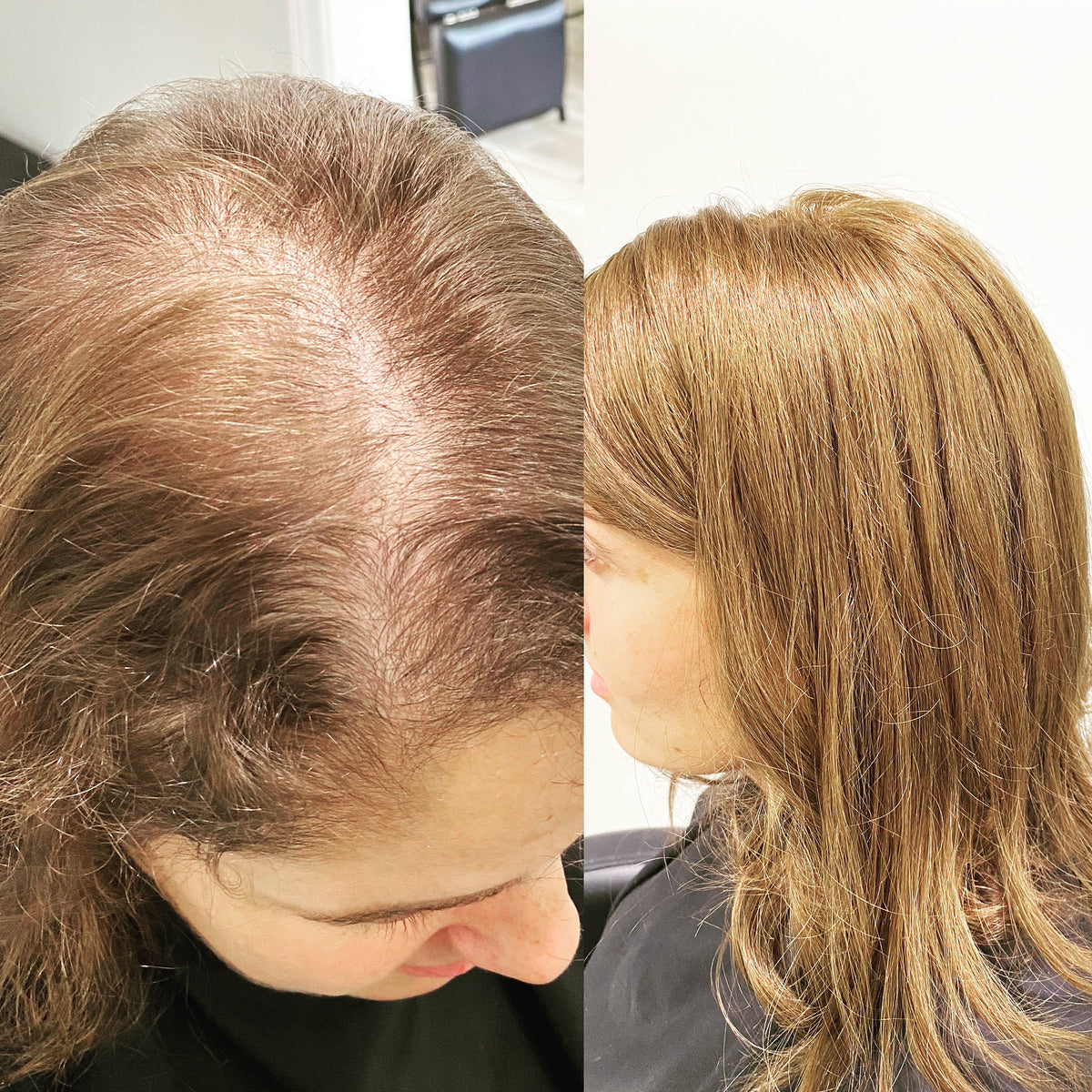


Keratin Bond Hair Extensions for Every Hair Type
What are keratin bond hair extensions and how do they work?
Keratin bond extensions are individual strands tipped with keratin, the same structural protein naturally present in hair. A stylist attaches each strand to small sections of your own hair using gentle heat to soften the keratin tip, which is then shaped and sealed. This forms a discreet, flexible bond that moves like your natural hair and delivers a secure, long-lasting hold. Two common misconceptions are that bonds inevitably damage natural hair and that they only suit certain textures. In reality, when applied and removed by a trained stylist with controlled heat, the bonds are designed to be gentle, and placement can be adapted for fine, medium, or thick hair.
Are you looking to revitalize your style with fuller, longer, and glossier tresses? Keratin bond hair extensions in Boston can be customized to suit thin, fine, medium, or thick hair, helping you achieve a polished, salon-level finish. In this guide, you'll learn what makes keratin bonds unique, how the application process works, and the best ways to maintain them for beautiful results.

Understanding keratin bond hair extensions (also known as fusion individual strands)
Among natural-looking options, keratin bond extensions stand out because each piece is a single, lightweight strand that blends seamlessly once installed. Stylists work with high-quality human hair in a broad range of shades and textures to create a tailored result that complements your haircut and color. The finished style feels soft, lays flat, and integrates with your natural movement so your hair looks like it grew that way.
The science behind keratin bonds
Keratin is a key building block of hair, which is why bonds made from keratin can adhere securely without feeling rigid. During installation, a stylist uses a precision heat tool at a controlled temperature to soften the keratin tip and fuse it to your hair near the root, leaving a small, neat bond. Once cooled, the bond forms a durable seal that distributes weight across the supporting hair, minimizing stress when properly applied. Proper aftercare—such as sulfate-free cleansing and keeping direct heat off the bonds—helps preserve that seal for longer wear.
Advantages of keratin bond extensions
Keratin bonds offer a refined finish that is difficult to detect, even in updos and half-up styles. Because each strand is placed individually, stylists can target fullness where you need it, create length while preserving layers, and color-map highlights or lowlights without chemical processing. These extensions are designed for daily wear, with lightweight bonds that move freely and lie flat against the head.

Longevity and durability of keratin extensions
A well-installed set is made to withstand everyday routines—from brushing and styling to working out—while maintaining a cohesive, natural appearance. The individual bonds help distribute tension, reducing tangling at the root area when you follow proper care. To protect softness and shine, use a gentle, extension-safe shampoo and conditioner and detangle with a soft-bristle or loop brush. With attentive maintenance, most sets last around 3–6 months; with strict routines and timely salon check-ins, some wearers extend wear closer to a year. Limit hot tools near bonds and always use a heat protectant, and book professional touch-ups roughly every 6–8 weeks to reposition grown-out bonds.

Who should consider keratin bond extensions?
Keratin bonds can be adapted for many hair types and goals. Whether you want to add fullness to fine hair, balance density in medium textures, or enhance length and movement in thicker hair, placement can be customized section by section. They are also a strong option if you prefer low-profile bonds that are comfortable and discreet.
Evaluating hair type for keratin extensions
A professional consultation helps determine the most suitable density, number of strands, and bond size for your natural hair. Your stylist will assess scalp health, growth patterns, and how your hair responds to brushing and heat tools. With this information, they plan bond placement to support your hair safely while creating the shape and flow you want.
What to expect during the keratin bond extension installation process
The application is methodical and precise. Your stylist sections the hair, selects the appropriate strand, softens the keratin tip, and forms a compact bond several millimeters from the scalp. This ensures movement without tugging and allows you to brush and style comfortably. Appointments vary depending on the desired result and number of strands, with stylists working in tidy rows to build shape and fullness.
Pre-installation preparation
Arrive with clean, completely dry hair free of heavy oils or styling residues so bonds adhere as intended. Avoid deep conditioners or leave-ins right before your appointment; lightweight, rinse-out care is fine if recommended by your stylist. Bring inspiration photos and communicate your everyday styling routine to guide placement and density.
Comparing keratin bond extensions with traditional hair extensions
Keratin bonds are applied as individual strands, creating a customized layout that can follow your haircut and contour the head. In contrast, tape-ins use wider wefts secured with adhesive tabs, clip-ins offer temporary volume with pressure clips, and sew-in or bead-based methods attach wefts with braids or small beads. Each method has benefits; keratin bonds excel when you want low-profile results, precise placement, and versatile styling.
- Application method: Keratin bonds are fused with a controlled-heat tool; clip-ins use pressure clips; tape-ins rely on adhesive tabs without heat.
- Longevity: With proper care, keratin bonds can last three to six months; clip-ins are removed daily; tape-ins typically need reapplication in about six to eight weeks.
- Potential for damage: When applied and removed by a trained professional, keratin bonds are designed to minimize strain; clip-ins can tug if worn continuously; tape-ins may cause issues if not removed correctly.
- Seamless integration: Individually placed bonds blend strand by strand for a low-profile finish; clip-ins can sit more visibly on top; tape-ins may add bulk without meticulous placement.
Factors to consider when choosing extension types
Begin with your lifestyle. If you wear high ponytails or sleek buns often, you may prefer the discreet profile and flexibility of individual bonds. If you want a temporary option for special events, clip-ins could fit. Those seeking efficient volume along larger areas might lean toward tape-ins or wefts.
Think about scalp sensitivity and hair density. Fine hair generally benefits from carefully sized bonds and strategic spacing to avoid excess tension, while denser hair can support more strands and fuller placement. If your scalp is sensitive, discuss bond size and placement techniques that prioritize comfort.
Consider color goals. With keratin bonds, stylists can intermix shades strand by strand, building dimension without chemical lightening. This is helpful for subtle blending or refining grown-out color.
Maintaining your keratin bond extensions
Care routines protect both your natural hair and the extensions. Use a sulfate-free shampoo focused on the scalp, then apply a lightweight, extension-safe conditioner from mid-lengths to ends, avoiding the bonds. Detangle daily with a soft, extension-friendly brush, starting from the ends and working upward. Minimize direct heat near bonds and use a heat protectant when styling.

Aftercare tips for longer-lasting extensions
Sleep with hair loosely braided or in a soft scrunchie bun, or on a silk/satin pillowcase, to reduce friction and tangling. Keep heavy oils and conditioners off the bonds so they remain secure, and towel-dry gently by pressing rather than rubbing. If you swim, rinse with fresh water afterward and brush once dry to prevent salt or chlorine buildup in lengths. Schedule regular check-ins—about every 6–8 weeks—for professional maintenance and timely removal or replacement as your hair grows.
Frequently Asked Questions
How long do keratin bond hair extensions last?
Most sets last 4–6 months with proper care and regular salon check-ins. Longevity depends on your at-home routine, how often you heat-style, and the quality of the hair and installation.
What do keratin bond hair extensions cost?
Pricing varies with the amount of hair, length, and customization, but typically ranges from $800 to $1,500. A consultation is the best way to get a personalized estimate for your goals and budget.
Does removing keratin bonds damage natural hair?
When performed by a trained stylist, removal uses a professional solution to soften the bonds so they can be gently opened and slid off without damaging your natural hair. Avoid DIY removal, which can cause breakage or shedding.
Are keratin bond extensions worth the investment?
For many, the answer is yes when you value a natural appearance, comfortable daily wear, and precise customization. Bonds are placed a safe distance from the scalp, allowing movement and easy brushing while keeping tension controlled. Though the method requires professional installation and dedicated maintenance, the payoff is a bespoke result that adapts to your style, from casual texture to sleek finishes.
Conclusion
Keratin bond extensions deliver a refined, customizable solution for nearly every hair type, offering discreet bonds, tailored placement, and a natural-looking finish. With thoughtful preparation, a precise installation, and consistent aftercare, you can enjoy seamless volume or length that supports your personal style. If you're deciding among methods, compare lifestyle needs, scalp sensitivity, and styling preferences to find your best match.
If you're ready to find the right method for your hair and lifestyle, you can book a free hair extension consultation to get personalized recommendations and a seamless, natural result.


