



Understanding Alopecia: The Need for Wigs and Hair Toppers

Understanding Alopecia: The Need for Wigs and Hair Toppers
Hair loss can feel deeply personal, affecting identity, confidence, and everyday comfort. For those searching for solutions related to hair loss Boston, understanding the cause of alopecia—and the options available—can make the process of finding the right support far less overwhelming.
Alopecia can result from a variety of factors, including genetics, medical conditions, stress, and even certain styling practices. Regardless of the cause, the impact often goes beyond appearance, influencing how you feel in social settings, daily routines, and overall self-image.
Supportive solutions like wigs and hair toppers offer more than coverage—they provide a way to restore a natural look while helping you feel more like yourself again. With advancements in design, today’s options are lightweight, breathable, and highly customizable, allowing for a seamless, realistic result.
In this guide, we’ll explore common types of alopecia, how hair loss affects daily life, and how to choose the right wig or topper based on your hair type, lifestyle, and level of hair loss. We’ll also cover practical tips for maintaining a natural look with minimal effort, so you can feel confident and comfortable every day.
Understanding Alopecia Types and Causes: Choosing Wigs and Hair Toppers
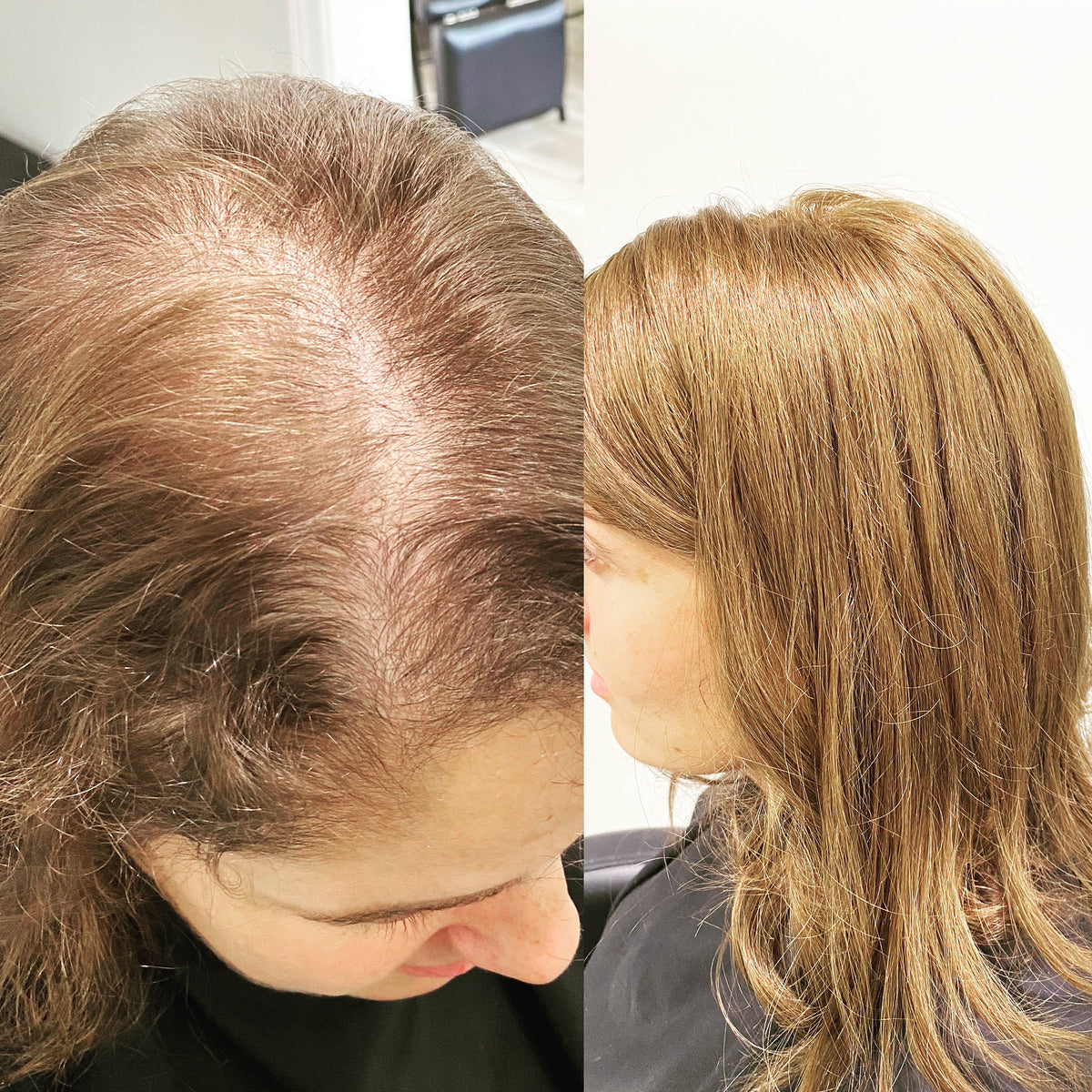
Alopecia refers to hair loss and can present in several ways. One common type in women is female pattern baldness, which typically causes diffuse thinning over the crown and top of the head. Alopecia includes multiple conditions beyond pattern thinning. For example, alopecia areata occurs when the immune system mistakenly targets hair follicles, resulting in small, smooth patches of hair loss. Alopecia totalis describes complete scalp hair loss. Specialized alopecia wigs are designed to look incredibly natural and offer seamless coverage tailored to these patterns. Many retailers also provide supportive consultations with experienced professionals, helping clients find the best solution—an experience that can be emotional as clients navigate acceptance and next steps.

The Basics of Alopecia and Its Impact on Hair: Why Wigs and Toppers Help
Hair thinning and baldness are common experiences within the alopecia spectrum. Thinning typically involves a gradual reduction in density and volume, making hair appear less full over time. Baldness refers to more extensive or complete loss. These changes can influence self-image because hair is often tied to identity and personal expression.
For many, alopecia wigs and hair toppers offer a reliable path to natural-looking fullness. Advances in materials and construction have made high-quality pieces remarkably realistic—often mirroring human hair movement and shine. Choosing a well-fitted wig or topper can help cover sparse areas smoothly and support a renewed sense of confidence in social and professional settings.
Different Types of Alopecia Explained for Wig and Hair Topper Selection
Alopecia takes many forms, each with distinct characteristics:
- Alopecia areata: An autoimmune condition causing patchy hair loss on the scalp and, in some cases, brows and body hair.
- Alopecia totalis: Complete loss of hair on the scalp.
- Alopecia universalis: Loss of scalp and body hair.
- Traction alopecia: Hair loss from repeated pulling or tension on the hair.
- Androgenetic alopecia: Genetically influenced male or female pattern thinning that can begin in adulthood or earlier.
To support those coping with these patterns of hair loss, highly realistic alopecia wigs and toppers can blend discreetly with existing hair or offer full coverage. While they do not treat hair loss or stimulate regrowth, they can protect the scalp, reduce daily styling stress, and help you show up confidently in the way you choose.

Exploring Alopecia Hair Solutions: Wigs vs. Hair Toppers
Most people considering hair solutions for alopecia focus on two primary choices—full wigs and hair toppers. Wigs provide full coverage from hairline to nape, making them ideal for extensive thinning or complete hair loss. Hair toppers are partial pieces designed to blend with your existing hair, adding density exactly where you need it—often at the part, crown, or top. Both options are available in human hair and synthetic fibers with a wide range of textures and shades.
Which solution resonates more with your personal style and comfort—wigs or toppers? Contemplating your unique situation can help clarify which choice might offer you the most confidence and ease in your daily life.

Benefits of Using Wigs for Alopecia
Alopecia wigs offer a blend of practical and emotional benefits:
- Natural-looking realism: Many wigs are crafted from real human hair, closely mirroring the movement, luster, and texture of biological hair for a seamless look.
- Reliable coverage: Full-cap designs disguise widespread thinning or baldness, restoring a uniform silhouette and hairline.
- Styling freedom: From sleek and straight to waves and curls, alopecia wigs come in a variety of lengths and textures to suit your signature style.
- Confidence boost: Feeling secure about your appearance can reduce daily stress and support social ease, work presence, and personal expression.
Choosing an alopecia wig allows you to reclaim a favorite hairstyle—or try something new—while keeping your look polished and consistent.

How Hair Toppers for Alopecia Provide a Natural Look
For targeted thinning or visible parts, a hair topper can deliver believable fullness without covering your entire head. Designed to blend with your bio hair, toppers mimic natural growth patterns for an incredibly discreet finish. Many attach with small pressure-sensitive clips that feel secure and comfortable. With a wide range of bases, sizes, hues, and textures, it’s simple to match density and color so the topper looks like it’s your own hair—especially for those with thin hair who want a quick, natural-looking lift where it matters most.

Choosing the Right Alopecia Wig
- Hair type, color, length, and style: Decide between human and synthetic hair, then tailor shade and cut for a personalized result.
- Cap design for comfort and realism: Consider lace fronts and mono/hand-tied tops to enhance a natural-looking scalp and part.
- Attachment methods: Select options that suit your routine and desired security.
- Maintenance and care: Factor in upkeep needs to preserve longevity and appearance.
- Alignment with lifestyle: Match features to your hair loss pattern and daily activities for an authentic, comfortable outcome.
Choose the Right Hair Type for Your Alopecia Wig (Key Factors)
To find a wig that fits beautifully and looks like your own hair, consider the following:
- Hair type: Human hair wigs are known for lifelike texture and movement. Among these, virgin hair is highly regarded because it has not undergone chemical processing.
- Cap construction: Lace fronts and hand-tied or monofilament tops can create the appearance of a realistic scalp and natural parting, enhancing believability.
- Color, length, and style: Choose shades and cuts that flatter your features and complement your daily routine—custom options can fine-tune the match.
- Comfort and security: Breathable materials, light density, and thoughtful ear tabs or adjustable straps can improve all-day wear.
Attending to these details helps you discover a flattering, confidence-boosting solution while managing alopecia.
Synthetic vs. Human Hair Alopecia Wigs: Which Is Better for You?
When you’re weighing options for alopecia, you’ll likely compare synthetic and human hair wigs:
- Synthetic wigs: Crafted from advanced fibers that simulate human hair, they are often more affordable and lower maintenance, with styles that hold their shape after washing.
- Human hair wigs: The gold standard for realism and versatility. You can heat-style, change the part, and even color-treat as recommended for a personalized look.
Your choice depends on budget, styling goals, and how much upkeep you prefer. Both can look natural when properly fitted and cared for; however, if maximum flexibility and authenticity are top priorities, human hair often wins.
Attachment Methods for Hair Toppers: What You Need to Know
Attachment should feel secure yet gentle on your bio hair. Common methods include:
- Clips: Easy to apply and remove, with a strong hold that’s ideal for daily wear without complicated steps.
- Tape: A more extended hold for smoother edges and added security—helpful for events or longer wear intervals.
- Adhesives: Designed for longer wear and a snug feel when applied as directed. Choose products formulated for hair systems and follow usage guidance.
Consider hair condition, scalp sensitivity, and activity level when picking your method. The right combination of base, product, and placement will deliver a comfortable, dependable fit throughout the day.
Conclusion
Alopecia can impact far more than just your hair—it can affect how you feel in your daily life, your confidence, and how you show up in the world. The good news is that you don’t have to settle for feeling uncomfortable or limited by hair loss. With the right solution, whether it’s a wig or a hair topper, you can achieve a natural, seamless look that feels like you.
Today’s options are more advanced, lightweight, and customizable than ever, making it possible to restore both appearance and confidence in a way that fits your lifestyle. The key is choosing a solution that aligns with your specific type of hair loss, your comfort level, and your personal style.
If you’re unsure where to start or want guidance tailored to your unique needs, getting expert support can make the process simple and stress-free.
👉 Book your free hair loss consultation and explore personalized solutions designed to help you feel confident, comfortable, and like yourself again.
Alopecia Wigs and Hair Toppers FAQ: Common Questions Answered
How Often Should I Replace My Wig or Hair Topper?
Lifespan varies with hair quality, frequency of wear, and care routine. With proper maintenance, many wigs and toppers can look good for several months to a year. Individual results differ, so follow care recommendations and consult the manufacturer or customer service for guidance tailored to your piece and usage.
Can I Style My Hair Topper with Heat Tools?
It depends on the material and the maker’s instructions. Avoid heat on traditional synthetic toppers since high temperatures can damage fibers. Human hair toppers generally tolerate heat styling when used with a heat protectant. Always follow product guidance to preserve longevity and performance.
What Are the Best Brands for Alopecia Hair Solutions?
Brands known for thoughtful construction and quality materials often provide both synthetic and human hair options, including hair toppers. Browse customer feedback and speak with a trusted supplier to match cap features, fiber type, and style variety to your specific needs for alopecia-friendly solutions.
Join the Conversation
We’d love to hear from you! What has been your biggest challenge in finding the right hair solution? Sharing your experiences can help others in our community feel less alone and more empowered in their journeys. Feel free to comment below and connect with others who understand. Your voice matters!


