



Brazilian Knots Pros and Cons: What You Need to Know
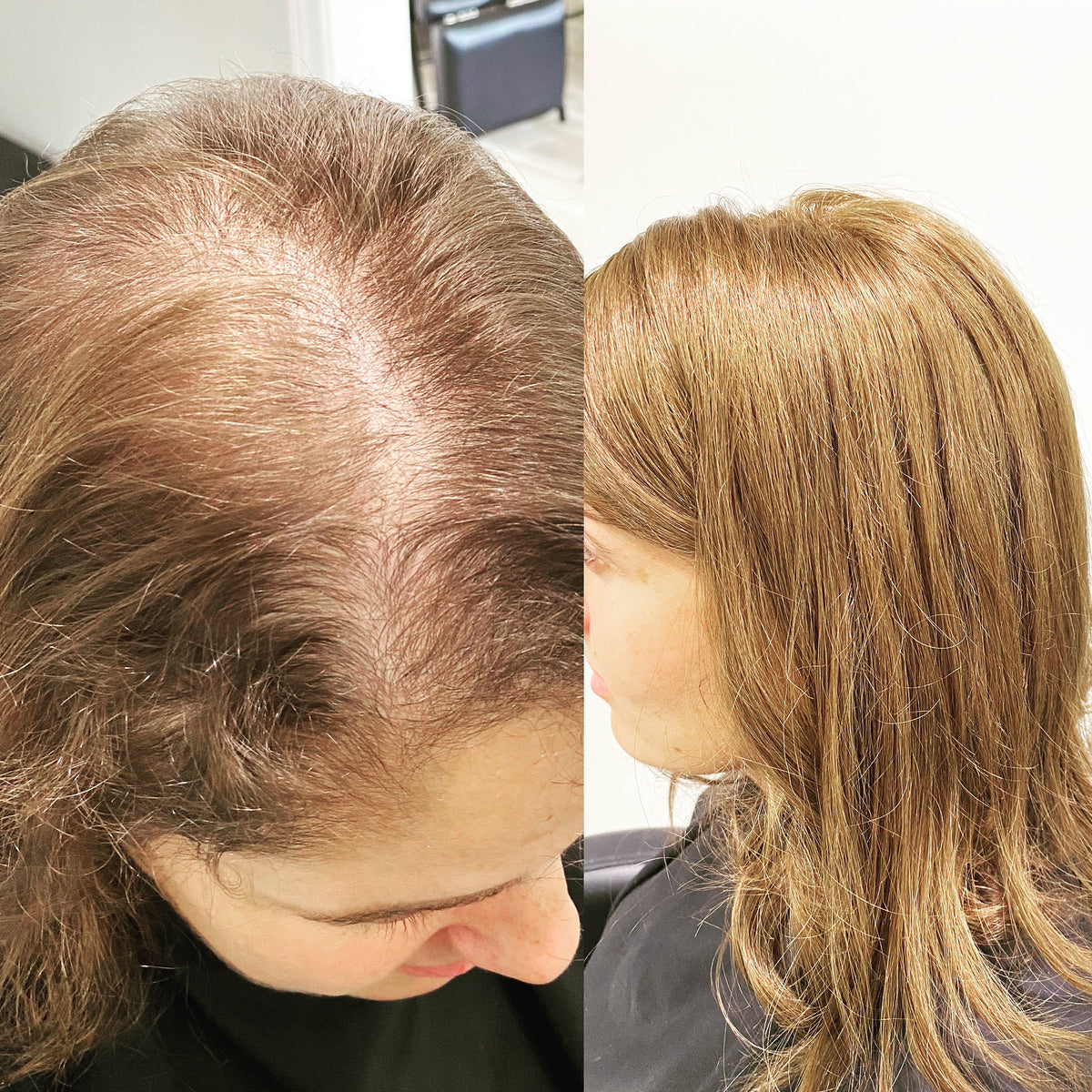
Brazilian Knot Hair Extensions have surged in popularity for their seamless blend, fluid movement, and customizable placement, showing up in salons across Brazil and the United States. While we specialize in advanced, scalp-conscious hair extensions Boston clients trust, we choose not to offer Brazilian Knot extensions because they can pose significant risks to hair and scalp health. The technique may be harsh on the follicle, and prolonged wear can trigger tension-related hair loss. Many clients arrive immediately after an installation seeking removal due to discomfort—headaches or persistent pulling. The images below illustrate strain near the scalp and irritation that can follow. This article first highlights the key benefits and then walks through the drawbacks so you can make a confident, well‑informed decision.

Caption: Close-up of scalp irritation potentially caused by poorly maintained Brazilian Knot extensions, illustrating tension, strain on the scalp, and hair health concerns.

Caption: Detailed view of hair damage from Brazilian Knot extensions highlighting potential traction alopecia risks and long‑term hair health impacts.
Key Drawbacks: Traction Alopecia and Tension Risks
Any extension method installed with excessive tension, weight, or poor technique can lead to traction-related hair loss. Traction Alopecia is a condition in which repeated pulling on the hair shaft stresses the follicle, causing breakage, thinning, and in some cases permanent loss where the follicles become damaged over time. Tight knots, heavy strands, and placements too close to the scalp accelerate this stress. Because Brazilian Knot extensions use thread to tie bundles of hair to small sections of your natural hair, they can create concentrated pressure points if not applied and maintained properly. That is why understanding the risks and your hair’s tolerance is essential before committing to this method.
Brazilian Knot extensions are sought after for their movement and the way they mimic natural hair, but the same features that make them appealing can also make them risky. If the knots are too tight, if the weight per section is too high, or if the stylist does not account for your density, the result can be scalp tenderness, inflammation, and ultimately shedding. We advise anyone considering this extension method to consult a seasoned professional, ask detailed questions about maintenance, and make the health of your hair the top priority. When these extensions are too heavy for your strands or tied close to the scalp, the cumulative strain can contribute to traction alopecia.
Brazilian Hair Extensions: Your Dream Look Achieved
What Exactly Is Traction Alopecia?
Traction Alopecia is hair loss caused by repeated pulling on the hair shaft, often from styles or extensions that create constant tension. The condition can begin subtly with soreness, bumps, or itchiness along the hairline and parting, then progress to thinning in areas that endure the most strain. Over time, persistent traction weakens the hair shaft, inflames follicles, and can cause patches of breakage or shedding. If the cycle continues unchecked, scarring may occur and regrowth can become limited. High-tension styles, tight ponytails, heavy braids, and extension techniques tied too close to the scalp are common contributors. Early intervention—loosening styles, reducing weight, and choosing gentler methods—helps protect your follicles and supports healthier regrowth.
Before: Brazilian Knots Removed, Then Individual Keratin Bonds Applied
We regularly see cases where the tight wrapping and bulk of Brazilian Knots overwhelm fragile follicles. In many instances, the bundles are too large, the knots sit too near the scalp, and the elastic thread grips the hair so firmly that it weakens and breaks the strands. Weight distribution is often imbalanced because the hair is applied in clumps. The client below arrived in immense pain. We carefully removed the knots by razoring through the elastic thread—taking extreme care not to cut her natural hair. After removal, her scalp showed red, irritated spots, and it took hours before she felt comfortable again. This is a powerful reminder that tension should never be part of a healthy extension experience.

Why Keratin Bond Hair Extensions May Be a Better Option
After removing the knots, we used a strand-by-strand extension technique with small, lightweight bonds placed at an appropriate distance from the scalp. This approach allows for smoother movement and a more even distribution of weight across the head. The stylist who had performed the Brazilian Knots advised the client to take pain relievers until the discomfort subsided—advice that should not be necessary when extensions are installed properly. No extension service should leave you with persistent pain or the urge to relieve pressure. If an application method immediately causes headaches or intense pulling, that is a clear signal that something is not right. A gentler, balanced method can often achieve similar results with less risk.
How Are Brazilian Knot Extensions Applied?
The Brazilian Knot installation process is meticulous and demands a skilled stylist with excellent tension control. Typically, the natural hair is cleansed and dried so the stylist can see the scalp clearly and work with accurate sectioning. The hair is then divided into small, precise subsections. Extension strands are paired to those subsections, and a hook or loop tool may be used to position the hair. The stylist uses thread to tie the extension hair to each small section, forming tiny knots intended to anchor the strands. This step is repeated across the head, with the goal of creating a uniform blend that moves naturally.
What many people overlook is the finesse involved in managing knot tightness, strand size, and placement. Each knot should be firm enough to secure the extension but not so tight that it strains the follicle. Knots placed too close to the scalp or built with too much hair create pressure points that can inflame the skin and weaken the hair shaft. A conscientious stylist checks comfort and placement throughout, adjusting tension and spacing to reduce stress. Even with care, some heads of hair are simply not well-suited to tied methods. A qualified professional will evaluate your density, texture, and scalp sensitivity before proceeding. Consider whether the precision this method requires—and the risks if misapplied—fit your comfort level.

Natural Look and Feel, Lightweight, and Customizable (Pros)
One of the primary reasons people are drawn to Brazilian Knot extensions is the natural look. When applied thoughtfully, the tiny knots are difficult to detect, so the hair appears to grow from your scalp. Without bulky attachments or visible tracks, you gain confidence that your style looks authentic from every angle.
These extensions can also feel lighter than some bulk-attachment methods. When weight is distributed properly, many find day-to-day wear more comfortable and more versatile for styling. You can experiment with soft waves, sleek finishes, or casual ponytails while enjoying a consistent blend.
Another compelling advantage is personalization. Your stylist can tailor color placement, density, and length by micro-adjusting knot spacing and strand size. This precision helps the extensions work harmoniously with your texture and density.
Who Thrives with Brazilian Knot Extensions—and Who Should Be Cautious?
What Hair Types Work Best with Brazilian Knot Extensions?
Brazilian Knot extensions, also known as Italian knot extensions, can complement several textures, but they generally perform best on medium to thick hair. This is because the technique requires enough natural hair in each section to support the knot without overloading the strands. On dense or coarse hair, knots can blend more easily into the texture, helping the attachments remain discreet.
By contrast, very fine hair may struggle to support knot tension without breakage. If your strands are delicate, a lighter method can be a better match, preserving your density and protecting the hairline. An experienced stylist will examine your individual density, elasticity, and scalp sensitivity to determine fit.
Installation Realities: Two Hypothetical Scenarios
Consider two different outcomes. In the first, someone with medium-density hair visits a stylist who specializes in Brazilian Knot extensions. The consultation is thorough, the placement respects scalp comfort, the knots are small, and strand weight is balanced across the head. After installation, there is no throbbing or pinching; the client follows a maintenance routine, sleeps on a smooth pillowcase, detangles gently, and schedules follow-ups. The result is a natural, flowing style with healthy new growth at the roots.
In the second scenario, a client with fine, delicate strands sees a stylist unfamiliar with the nuances of tension management. The knots are tied too close to the scalp, too much hair is used per section, and the head feels sore within hours. Over the next few days, tightness turns into headaches and scalp irritation. The client returns for removal, and once the thread is cut away, red areas and shedding are visible where the knots were concentrated. The difference between these two stories often comes down to hair type suitability, technique, and a stylist’s commitment to scalp comfort.
Free Consultations and Thoughtful Planning
Before moving forward with any extensions, take time to research and book with a reputable salon that provides a candid consultation. A professional should explain which methods fit your density, texture, and lifestyle, and outline realistic maintenance. Your comfort matters: ask questions, clarify aftercare, and ensure you feel at ease with placement plans. Preserving the health of your hair and scalp should always come first. If you’re nearby, schedule a visit at Noelle Salon of Melrose, Massachusetts near Boston to explore safer, personalized options that align with your goals.
Cost, Longevity, and Maintenance: Brazilian Knots vs. Clip-Ins
As presented, Brazilian Knot services may range from $500 - $1,500 depending on the amount of hair and the stylist’s experience. With consistent care, the look may last 3-6 months before you need adjustments or a refresh. Expect check-ins every few weeks to monitor attachment points and keep the style polished. Clip-in extensions, by contrast, can cost $100 - $300. They are temporary and removable, with minimal maintenance beyond occasional detangling and proper storage. Brazilian Knots may be worth the investment for those seeking long-lasting wear and a natural appearance, while clip-ins remain a practical, budget-conscious option for flexibility and ease.
Conclusion
If you’re considering Brazilian Knot extensions—or dealing with discomfort, tightness, or shedding after an install—it’s important to get expert guidance before the issue worsens. At our Boston-area salon, we specialize in scalp-conscious methods designed to protect fine hair and prevent traction-related damage. Book a free hair extensions consultation to have your hair and scalp evaluated, explore safer alternatives, and get a personalized plan that supports both your desired look and long-term hair health.
Frequently Asked Questions About Brazilian Knot Extensions
How long does installation take?
Timing varies with head size, density, and desired fullness, but plan for a multi-hour appointment, particularly for a dramatic transformation or a full head of extensions. Patience is essential for precise, comfortable placement.
Can I install Brazilian Knots myself?
No. This technique requires refined control over tension, section size, and spacing. Attempting a DIY application risks uneven knots, excessive tightness, or damage that can be difficult to reverse.
Will Brazilian Knots damage my hair?
Any extension method can compromise hair health if misapplied or poorly maintained. Brazilian Knots in particular can create pressure points when tied too tightly or placed too close to the scalp. Working with a skilled stylist and choosing a method suited to your hair type helps reduce risk.
What if I feel pain after my appointment?
Persistent soreness is a red flag. Contact your stylist promptly to reassess tension or remove problematic knots. Do not wait for the pain to “loosen” over time—comfort should be a baseline expectation.
Which method is better if I have fine hair?
Fine or fragile strands often do better with lighter-weight attachments that minimize concentrated tension. A professional consultation can point you toward safer options that protect your density while delivering your desired length or volume.


