



How To Purchase The Perfect Clip-On Hair Topper
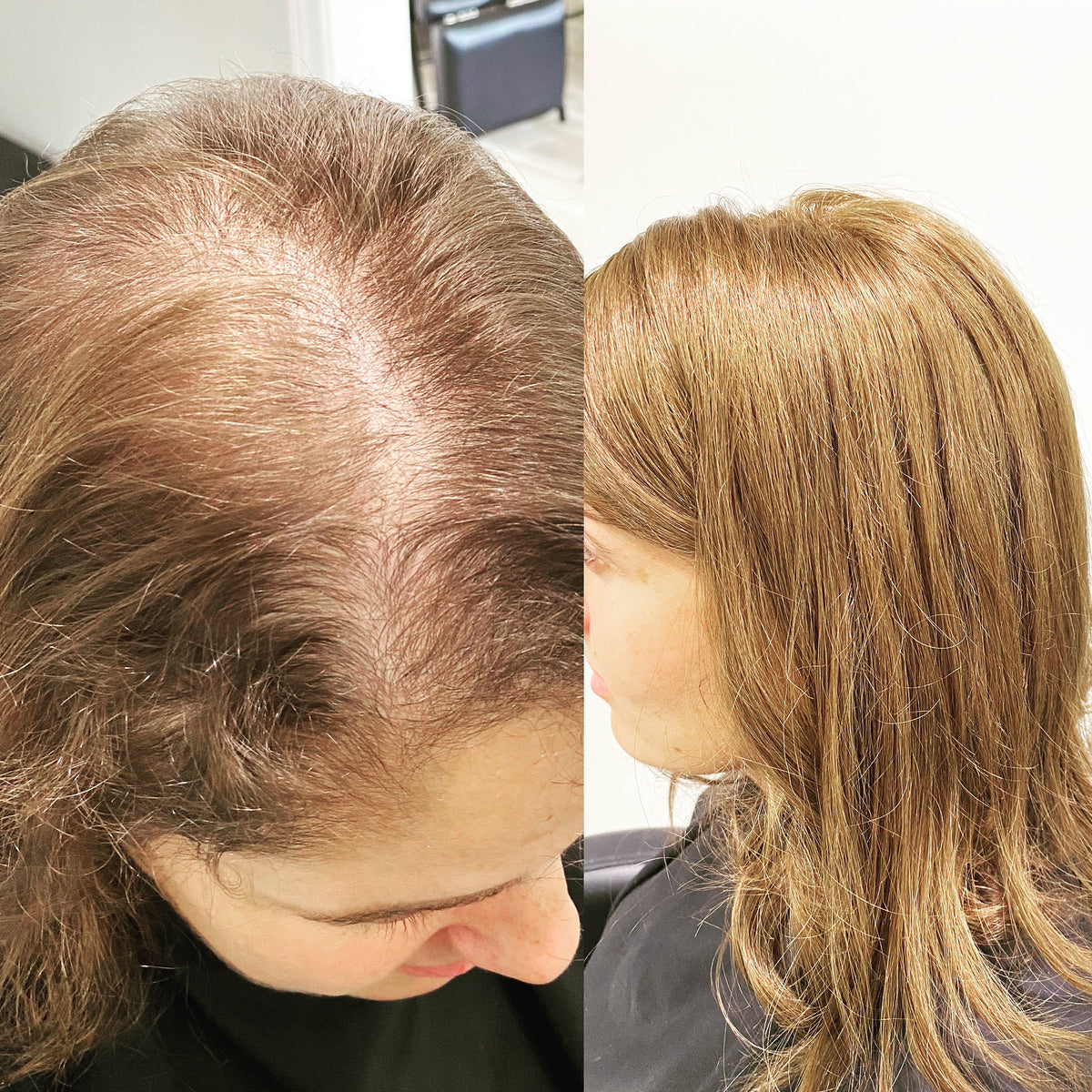
Hair thinning can be frustrating, especially when it affects the crown or part line where volume is hardest to maintain. For those exploring solutions related to hair loss Boston, human hair toppers offer one of the most natural and flexible ways to restore fullness without committing to a full wig.
Many people are surprised to learn that the seamless volume they see—on celebrities and in everyday transformations—is often achieved with well-matched hair toppers. Designed to blend with your natural hair, toppers add targeted coverage exactly where it’s needed while allowing your own hair to show through.
Clip-in hair toppers, sometimes referred to as crown toppers, can be applied and removed as needed, making them a convenient option for daily wear or occasional use. They work especially well for diffuse thinning, telogen effluvium, hormonal hair loss (including postpartum and menopause-related shedding), and certain types of alopecia.
Unlike traditional extensions, which add length and volume throughout the hair, toppers are specifically designed to address thinning at the top of the head. For individuals with more advanced or widespread hair loss, a full wig may be a better solution, but for targeted crown coverage, a topper provides a lightweight, natural-looking alternative.
What Is a Clip-On Hair Topper?
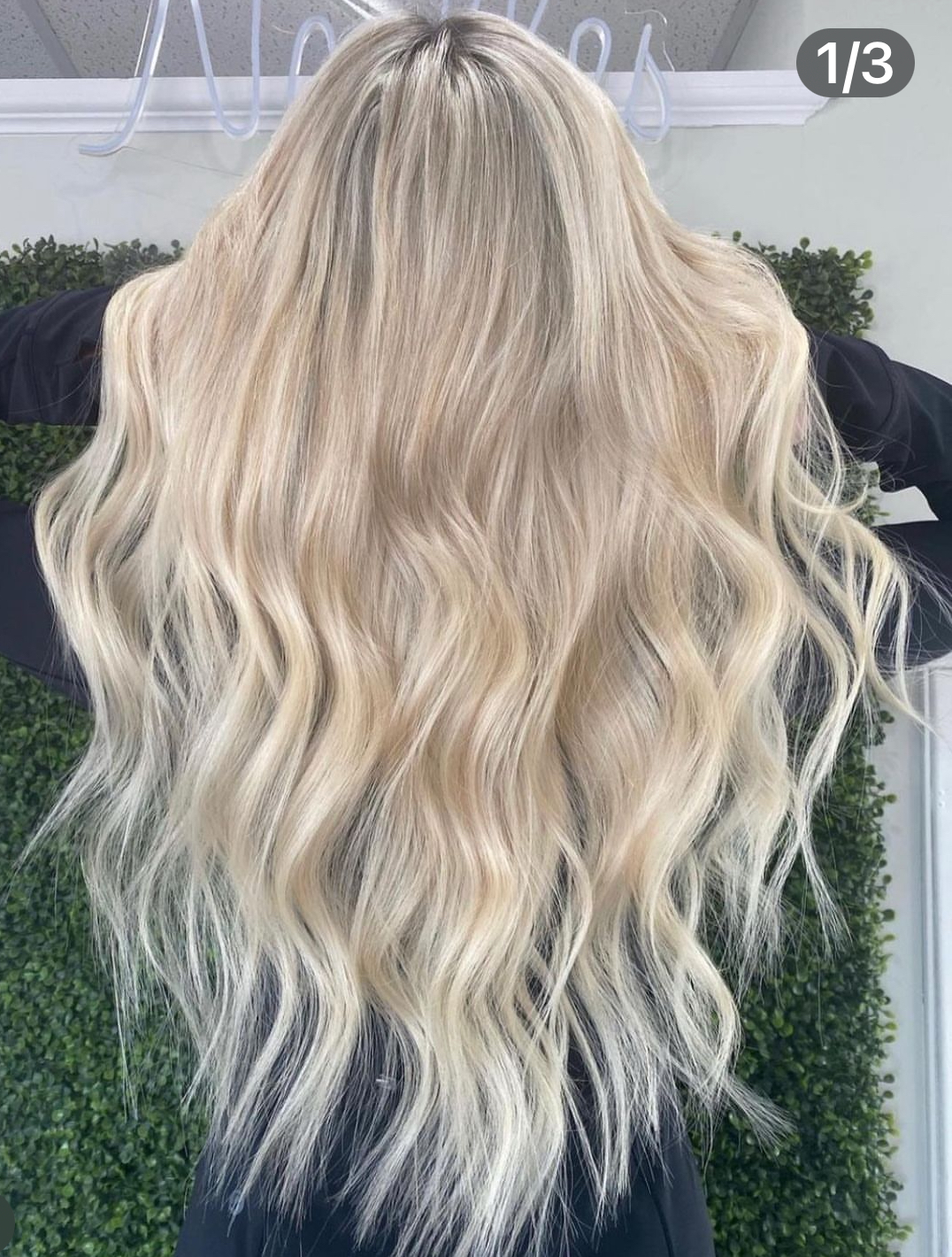
A clip-on hair topper is a small, lightweight hairpiece that attaches with discreet clips to add coverage where you need it most—typically at the crown or hairline—so you can put it on and take it off with ease.
- Diffuse hair loss: Even thinning across the scalp that reduces overall density.
- Alopecia: Patchy or circular areas of loss that benefit from targeted coverage.
- Telogen effluvium: Temporary shedding often linked to stress or health changes.
- Hormone-related shedding: Thinning triggered by postpartum shifts or menopause.
Wigs vs. Hair Toppers
A real hair topper or synthetic hair topper is designed to integrate with your natural hair, which differs significantly from classic hair extensions. The hair piece fills in targeted areas with sparse growth and provides coverage exactly where you need it. Historically known as a wiglet, today’s toppers come in many styles and base types. The best topper enhances your look while supporting an active lifestyle. Human hair toppers are available in multiple base sizes and can attach with discreet clips or via our exclusive bead-in approach. A mesh integration method provides the most secure attachment and is an excellent way to hide thinning while adding density and fullness. Whether you prefer a temporary clip-on system or a longer-term attachment, toppers are effective solutions for boosting volume and concealing sparse zones. At UniWigs, you’ll find top pieces in a range of lengths, textures, and materials to fit your needs.
Base types explained:
- Mesh integration: A breathable net that secures the topper and lets your own hair intermix for natural coverage.
- Beaded matrix: Small, discreet beads anchor the base for semi-permanent wear, typically installed by a professional.
Purpose of a Wig
A wig can enhance your hairstyle or fully cover hair loss. People often wear wigs to experiment with looks or protect their hair, and many do so without any medical concerns at all. Have you thought about how a wig differs from a hair topper in addressing your specific needs?

Choosing the Best Hair Topper: Different Densities
The density of a topper—aka a hair system—describes the overall thickness and fullness. Density simply refers to how much hair is ventilated into the base—the higher the number, the fuller it appears. Below are typical ranges and guidance on blending with your existing hair. We usually suggest a lightweight, clip-on hair topper for first-time wearers. Once we confirm your scalp tolerates the base and clips comfortably, we can adjust both the type and hair density for a more tailored result. Have you considered the right density for your hair type?
Density Chart for Wigs and Hair Toppers
100% – Adds light thickness and blends best with thin, delicate hair.
110% – 120% – A solid match for fine hair needing subtle volume.
130% – The most popular density; works well for medium-thick to thick hair and delivers noticeable lift.
150% – 180% – Best for blending into thick to very thick hair while maintaining a natural look.
How to Decide What Length is Best for Your Hair Topper
The ideal topper length is based on your current hair length. Toppers can be customized in an array of lengths and are designed to sit at the top of the head. You can pair a high-density clip-on hair topper with a short cut—or opt for lower density at a longer length—depending on your styling goals.
10" – 14" – Suited to bob styles and shoulder-length cuts.
14" – 16" – Ideal for shoulder-length to just around the bra line.
16" – 18" – Best for hair below the bra line up to just above the waist.
Because hair toppers add volume at the crown, we generally don’t recommend lengths over 18", as excess weight may strain clips and feel heavy. If you desire significantly longer hair, a wig will distribute weight evenly for greater comfort.

Hair Topper Colors and Color Codes
Toppers come in solid shades, rooted hues, and highlighted blends. When ordering, you’ll often see color codes tied to specific shades. Solid colors are generally easier to match than multi-tonal combinations of hair color.
At our salon, we can custom color your topper for a near-perfect match to your natural shade, ensuring a realistic finish. To color safely, the hair must be high quality—such as virgin, one-donor hair. A human hair topper can be glossed with semi-permanent color in darker tones or refined with a gentle toner. Avoid bleaching or lightening a topper, as bleach can cause permanent damage. We carry a full range of topper colors and offer 1-inch hair swatches you can take home to compare. What color or length do you envision that would complement your natural look?
Hair Color Codes for Hair Toppers and Wigs
“P” means Piano—a blend of shades that mimics dimensional highlights.
“T” means Rooted—a darker base at the root with a complementary solid tone.
“P” combined with “T” gives you a deeper root with highlighted strands throughout.
Types of Hair Topper Bases
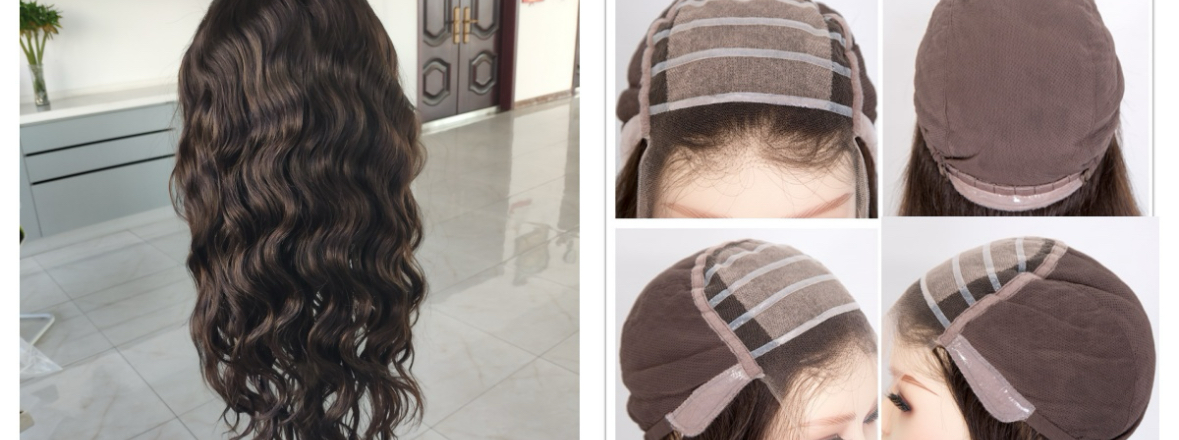
The base of a clip-on hair topper should be simple, durable, and comfortable. A common cap construction uses monofilament mesh for a realistic part, with a perimeter reinforced by polyurethane, sturdy ribbon, or a lace front to create a natural hairline. Choosing the right base helps clips anchor securely without excessive tension on your bio hair.
How Hair Toppers Are Attached
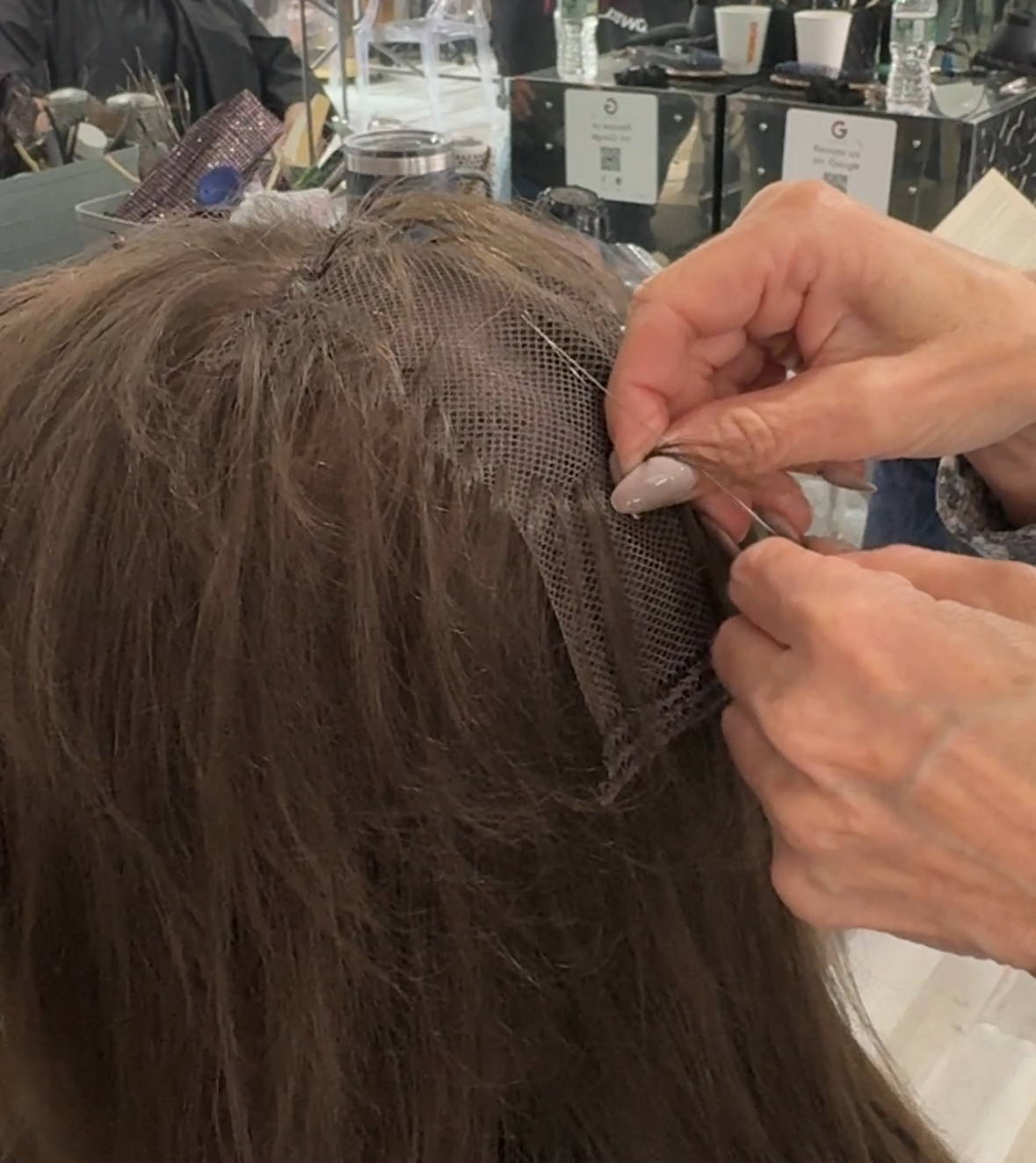
Attached toppers installed with our beaded matrix are crafted from monofilament mesh, tight lace, integration materials, or a hybrid of both—selected based on your needs. Placement and coverage are tailored to your thinning pattern and lifestyle.
In simple terms, clip attachments are temporary and DIY-friendly; bead-in or integration methods are semi-permanent and typically require professional maintenance.
It’s best to consult a knowledgeable stylist or your topper’s manufacturer for advice on the most suitable base, attachment method, and hair density for your situation. Which attachment method do you think might work best for your lifestyle?
A clip-on hair topper can be worn daily with a bit of upkeep. Human hair can be washed and heat-styled much like your own hair, but excessive heat from blow-dryers, curling irons, and flat irons can still cause damage over time.
Wash about weekly if you wear your piece daily; for occasional wear, washing monthly is often sufficient. Use gentle, sulfate-free products and handle the base carefully as you cleanse and detangle.
If blending or customization is needed, look for a salon that can shape the topper, tone the color, reposition or add clips for better grip, and trim the front lace for a natural finish. Are you ready to implement these tips to maintain the quality of your hair topper?
Different Types of Hair Topper Bases
Basic hair topper—add a center clip to secure the front and help prevent shifting.

Front lace—intended to be trimmed to create a soft, realistic hairline. This type of top closure often pairs well with a mesh integration hair system for secure wear.

Front lace with wefted back—great for higher hair density toppers and compatible with many patterns of loss. The lace can be trimmed to emulate a natural part, or you can request bangs for a chic, low-maintenance look.

Virgin Remy Hairpiece
Hair toppers—including mini toppers—are produced in various grades of human hair. Don’t hesitate to ask the manufacturer or salon about the specific hair quality used. If purchasing from Amazon, consider messaging the seller with your questions. Price alone is not a reliable indicator of quality; less costly pieces can be inferior or surprisingly decent. Here’s a quick breakdown to help you compare.
Virgin hair is typically available in deeper natural shades and is less common online. Virgin hair is unprocessed—no chemical dyeing or texturizing—and often originates from Indian Temple hair, maintaining the donor’s original color and texture.
What is the difference between Virgin and Remy Hair?
Virgin (one-donor) hair: Sourced from a single donor, with cuticles aligned in one direction to reduce tangling and matting. This hair can be gently dyed to achieve consistent shades across a range of colors.
Remy Hair
Remy hair is collected from multiple donors, yet the cuticles are carefully kept aligned. Like one-donor hair, Remy is offered in many colors and blends, providing a smooth, natural look when properly maintained.
The basic-style clip-on hair topper (see above) is usually the simplest to attach. Front lace bases or higher density, long-length toppers may require an expert stylist to blend, especially at the crown. If you’d like assistance, seek a salon with deep experience in clipping, blending, and customizing toppers. Proper care is essential: wash with gentle shampoo and conditioner, detangle carefully, and minimize heat exposure to avoid breakage or fiber damage.
Synthetic Hair Toppers
A synthetic hair topper is best as a clip-on system you can remove daily. We do not attach synthetic hair long-term because it typically won’t blend as naturally with your bio hair. Jon Renau is a helpful destination when shopping for a synthetic topper; they offer customer support, an easipart format, and extensive product details to guide your choice.
Quick Tips for Selecting Clip-On Hair Toppers
To make a confident choice, keep these practical pointers in mind:
- Match the base size to your thinning area; the clips should sit on healthy hair.
- Choose hair density that mirrors your own; too thick or too thin can reveal the topper.
- Align length with your haircut; blending is easiest when the topper is close to your style.
- Select color and tone under natural light; decide between solid, rooted, or highlighted.
- Prioritize comfort: test clip placement and weight before committing to long wear.
- Plan maintenance: gentle washing, low heat, and proper storage extend the topper’s life.
Mini Scenarios to Guide Your Choice
- Active professional with fine hair density: A light to medium-density, 12"–14" clip-on hair topper with a monofilament base often blends well and feels secure through a busy day.
- New mom with postpartum shedding: A lightweight, rooted color at 110%–120% density can restore volume at the crown without overwhelming fragile hair.
- Thick-haired style enthusiast: A 130%–150% density topper with a lace front may offer a natural hairline and enough fullness to match robust strands.
- Special-event wearer: If you only need volume occasionally, a clip-on topper you can heat-style sparingly and wash monthly may be the simplest path.
FAQs About Clip-On Hair Toppers
Q: How do I choose the right hair density?
A: Start by matching your topper to your bio hair density. If unsure, choose a slightly lighter density for easier blending, then adjust as you gain comfort.
Q: Will clips damage my hair?
A: Properly placed clips on healthy strands are generally safe. Rotate clip positions and avoid excessive tension to protect delicate areas.
Q: Can I heat-style a human hair topper?
A: Yes—treat it like your own hair, but avoid high heat and always use thermal protection to preserve softness and shine.
Q: How often should I wash my topper?
A: For daily wear, weekly cleansing is typical; for occasional use, monthly care is often enough. Adjust based on product buildup and lifestyle.
Bringing It All Together
Choosing the right density and color is essential for achieving a natural, seamless look. Matching your topper to your bio hair ensures it blends effortlessly, while selecting the right density creates believable volume without appearing heavy or artificial. When combined with the correct base size and length, the result feels balanced, comfortable, and realistic in everyday wear.
Your hair type, lifestyle, and styling preferences all play a role in finding the right fit. The goal is a topper that not only looks natural but also feels easy to maintain and wear consistently.
If you’re unsure where to start, personalized guidance can make the process simple and stress-free.
👉 Book your free hair loss consultation and find a customized hair topper designed to match your color, density, and daily routine.


