

Can Non Surgical Hair Loss Treatment Restore Hair Naturally?
Hair thinning can be frustrating, confusing, and emotionally draining—especially when it starts to impact your confidence and daily routine. Many women want to support hair growth and reduce shedding, but feel hesitant about surgery or permanent procedures.
At Noelle Salon, we work with clients every day who are navigating these exact concerns, making us a trusted destination for hair loss Boston and non-surgical solutions that prioritize both results and hair health.
As hair loss progresses, the number of available treatments can feel overwhelming. Different types of hair loss respond differently, and unclear timelines often make it difficult to know what is actually safe, effective, and worth the commitment.
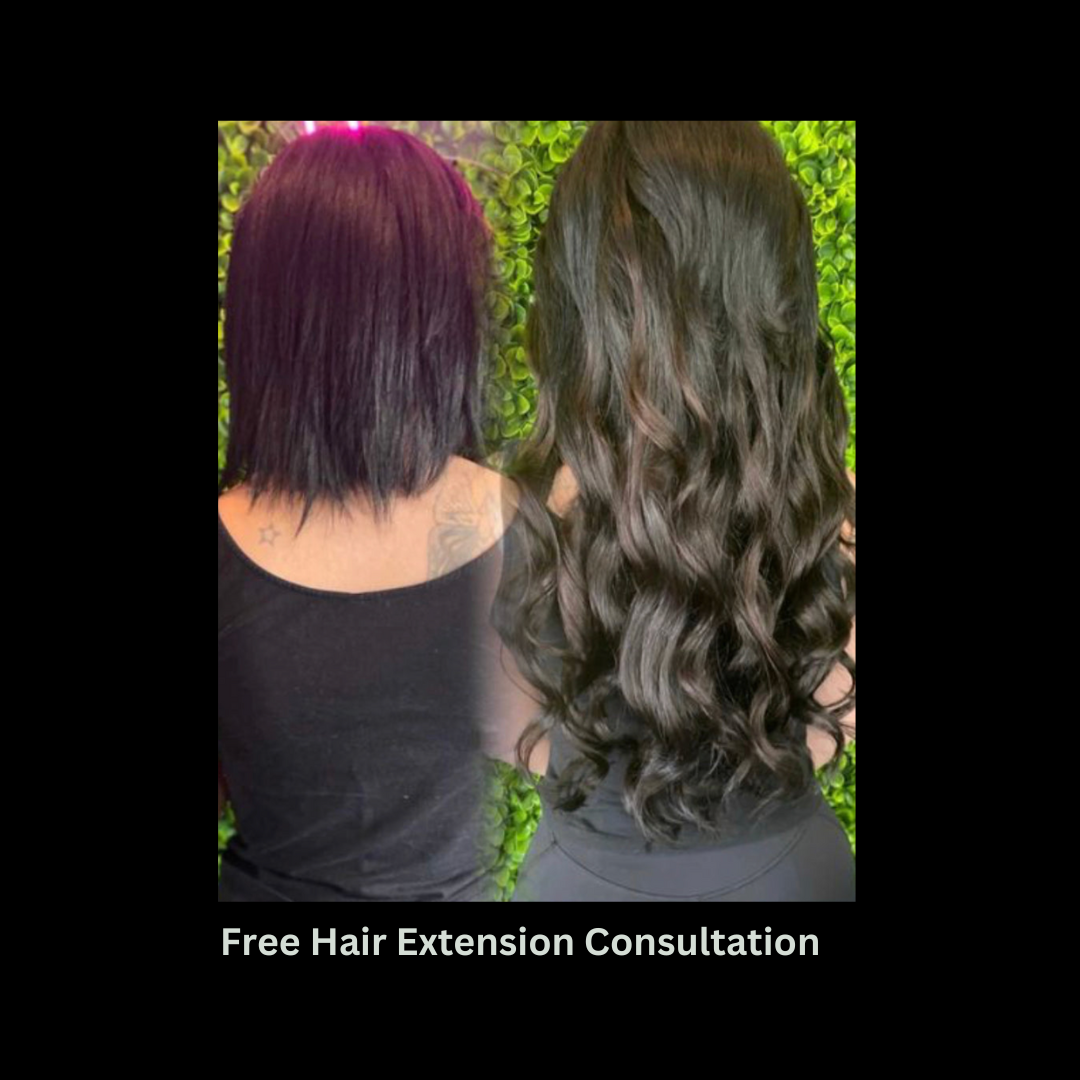
The good news is that non-surgical options can provide both immediate and long-term results when chosen correctly. From scalp-focused treatments to lightweight toppers, fine hair extensions, and mesh integration systems, the right approach depends on your specific hair loss pattern and lifestyle.
This blog breaks down non-surgical hair loss treatments in a clear, practical way—so you can understand your options, set realistic expectations, and choose a solution that feels natural, comfortable, and sustainable.
What Is a Non Surgical Hair Loss Treatment?
A non-surgical hair loss treatment refers to any approach that helps reduce thinning, slow shedding, or improve hair thickness without surgery or invasive procedures. These treatments are commonly used for female pattern hair loss, male pattern baldness, and other forms of pattern hair loss, including androgenetic alopecia, by supporting existing follicles rather than replacing them through hair transplant surgery.
Non-surgical hair loss solutions may include topical minoxidil, oral minoxidil, and red or laser light therapies that aim to improve blood flow and encourage cell growth at the follicle level. In recent years, these options have gained popularity for managing androgenetic alopecia in its early to moderate stages, offering a lower-risk, lower-commitment path to visible improvement.
This type of hair loss treatment, non non-surgical approach, is often chosen by people who want gradual, natural-looking results. Outcomes depend on consistency, the underlying cause of hair loss, and ongoing non-surgical hair loss care rather than quick or permanent intervention.
Why Do People Choose Hair Loss Treatment Non Surgical Options?

Hair loss can feel deeply personal. For many people, it is not just about appearance but about confidence, identity, and how comfortable they feel in daily life. The idea of surgery can add another layer of stress, making non-surgical options feel safer and more approachable.
Non-surgical hair loss treatment appeals to people who want visible improvement without drastic measures. These options focus on support, gradual change, and flexibility rather than permanent procedures.
Why do people choose hair loss treatment non-surgical options:
-
Less fear and pressure: No incisions, anesthesia, or recovery time, which helps reduce anxiety around treatment decisions
-
Lower commitment: Treatments can often be adjusted, paused, or combined based on comfort and progress
-
Natural-looking progress: Gradual improvements allow hair changes to blend into everyday life
-
Fits real routines: Many non-surgical hair loss solutions work alongside work schedules and family life
-
Early intervention friendly: Ideal for people noticing thinning before hair loss becomes advanced
Choosing a non-surgical hair loss solution is about feeling in control. It allows people to explore care at their own pace, build confidence gradually, and make informed decisions without pressure or irreversible changes.
What Non Surgical Treatment Options for Hair Loss Are Available?

When hair loss starts, the first question most people ask is not about surgery. It is about options. Many want solutions that feel manageable, reversible, and aligned with their comfort level rather than a single, permanent step.
Non-surgical hair loss treatments focus on preserving existing hair, improving scalp health, and enhancing overall density over time. These options vary in approach, intensity, and commitment, giving people flexibility in how they begin care.
Non-surgical treatment options for hair loss:
1) Topical and Medical Treatments
Topical and medical treatments are often the starting point for people noticing early changes in hair density or increased daily shedding. These options focus on supporting the hair you still have, rather than replacing or disguising it, making them a practical first step for many.
Best for: People in the early stages of thinning, widening parts, or stress-related shedding who want to stabilise hair loss before density visibly declines.
Designed to: Support follicle function, improve scalp conditions, and regulate the hair growth cycle so shedding slows and existing strands remain stronger for longer.
Often chosen when: Hair loss feels gradual or recent, and someone prefers a low-intervention approach before considering procedural or cosmetic solutions.
Used consistently, topical and medical treatments can help create a more stable foundation for long-term hair health and are often combined with other non-surgical options as needs evolve.
There is no single path that fits everyone. Non surgical treatments for hair loss are designed to meet people where they are, offering control, flexibility, and realistic progress without forcing rushed or irreversible decisions.
2) Platelet-Rich Plasma Therapy
Platelet-rich plasma therapy focuses on stimulating the scalp using the body’s own biological resources. Because it works internally rather than cosmetically, results tend to develop gradually and feel more natural over time.
Best for: Individuals experiencing reduced density, slower regrowth, or weaker strands who want a treatment that supports follicle activity at a cellular level.
Designed to: Deliver concentrated growth factors into the scalp to encourage healthier follicles, improve hair quality, and support gradual thickening.
Often chosen when: Topical treatments alone are no longer delivering noticeable improvement, and a regenerative option feels like a logical next step.
While PRP does not create instant fullness, it is often valued for supporting long-term hair quality when used as part of a structured treatment plan.
3) Low-Level Laser Therapy
Low-level laser therapy offers a non-invasive way to support hair growth through consistent, light-based stimulation. It is commonly used alongside other treatments rather than as a standalone solution.
Best for: People with diffuse thinning who want a gentle, maintenance-focused option that fits easily into their routine.
Designed to: Encourage follicle activity and improve blood flow at the scalp level, helping support healthier growth cycles over time.
Often chosen when: Someone wants a non-invasive option with no recovery time, or prefers an at-home treatment that complements professional care.
With regular use, laser therapy can help reinforce other treatments by supporting overall scalp function and follicle responsiveness.
4) Hair Integration or Density Systems
Hair integration and density systems focus on appearance rather than biology. They offer immediate visual improvement without altering natural hair growth or interfering with the scalp.
Best for: People with visible thinning, part widening, or low density who want fuller-looking hair without medical or procedural treatments.
Designed to: Create the appearance of increased volume and coverage by blending additional hair seamlessly with existing strands.
Often chosen when: Hair loss has progressed to a point where waiting for regrowth feels frustrating, or when confidence has been impacted by visible thinning.
These systems are often used alongside other treatments, providing cosmetic reassurance while long-term hair support continues in the background.
5) Combination Treatment Plans
Hair loss rarely has a single cause, which is why many people benefit from combining multiple non-surgical approaches rather than relying on one solution alone.
Best for: Individuals experiencing ongoing, multi-factor hair loss who want a more personalised and adaptable plan.
Designed to: Address shedding, follicle support, scalp health, and cosmetic density together through layered, complementary treatments.
Often chosen when: Single treatments feel insufficient, or when results plateau without a broader strategy.
Combination plans allow care to evolve over time, offering both functional support and visible improvement in a way that feels sustainable and realistic.
Taken together, non-surgical hair loss treatments offer flexibility, control, and realistic progress without rushing into permanent decisions. Whether someone starts with a single option or builds a layered plan over time, the focus stays on steady improvement, informed choices, and care that adapts as hair needs change.
How Do You Choose the Best Non Surgical Hair Loss Treatment?

Choosing a hair loss treatment can feel overwhelming. With so many promises and opinions, it is hard to know what will truly work for your hair, your lifestyle, and your comfort level. Most people want progress without regret.
The best non-surgical hair loss treatment is rarely about trends or one-size-fits-all solutions. It comes from understanding your hair loss pattern, expectations, and how much care you can realistically maintain.
How to choose the best non-surgical hair loss treatment:
-
Understand the cause of your hair loss: Thinning from stress, genetics, hormones, or scalp issues responds differently to treatment.
-
Consider the stage of hair loss: early thinning may benefit from medical or laser treatments, while advanced hair loss may require cosmetic density solutions.
-
Match treatment to your lifestyle: Some options require daily consistency, others periodic sessions or maintenance visits
-
Set realistic expectations: Non-surgical treatments support and improve existing hair rather than creating instant regrowth.
-
Seek professional guidance: A non-surgical hair loss specialist can tailor a plan instead of relying on trial and error.
Choosing the right non-surgical hair loss solution is about balance, not pressure. With the proper guidance and a clear understanding of your needs, you can move forward confidently, knowing your treatment supports both your hair and your peace of mind.
When Should You See a Non Surgical Hair Loss Specialist?

Hair loss rarely happens overnight. It often starts quietly, with subtle changes that are easy to dismiss until thinning feels harder to ignore. Many people wait, hoping it will resolve on its own, but that delay can limit options.
Seeing a non-surgical hair loss specialist is not about committing to treatment right away. It is about understanding what is happening and exploring care before hair loss progresses further.
When you should see a non-surgical hair loss specialist:
-
You notice ongoing shedding: Hair fall that continues for several months may signal an underlying issue.
-
Your part or hairline is changing: Gradual widening or recession often responds best to early intervention.
-
At-home solutions are not working: Lack of improvement despite consistency suggests a need for professional guidance.
-
Hair loss affects your confidence: Emotional discomfort is a valid reason to seek support.
-
You want personalized care: A specialist can identify the cause and recommend the most suitable non-surgical hair loss solutions.
Consulting a non-surgical hair loss specialist is a proactive step, not a drastic one. It gives clarity, reassurance, and direction, allowing you to make informed choices without pressure or urgency.
What Are the Best Places in Boston for Non Surgical Hair Loss Treatments?
Finding the right place for hair loss care can feel just as overwhelming as the hair loss itself. With so many clinics, salons, and treatment options across Boston, it is hard to know which truly focus on non-surgical solutions and which simply offer them as an afterthought.
The best places in Boston prioritize non-surgical care, offering personalized evaluations, realistic guidance, and treatments designed to support hair health without pressure or invasive procedures.
1) Noelle Salon

Women experiencing thinning hair who want natural-looking, non-surgical hair loss solutions with a strong focus on long-term hair health.
Noelle Salon is known for its thoughtful, salon-based approach to non-surgical hair loss care. The team takes time to understand hair density, lifestyle, and emotional comfort before recommending solutions. Clients exploring different options can also review Noelle Salon’s full range of hair loss services in Boston, which helps set clear expectations before a consultation.
Services included:
-
Non-surgical hair loss consultations
-
Custom hair integration systems
-
Scalp focused treatments for thinning hair
-
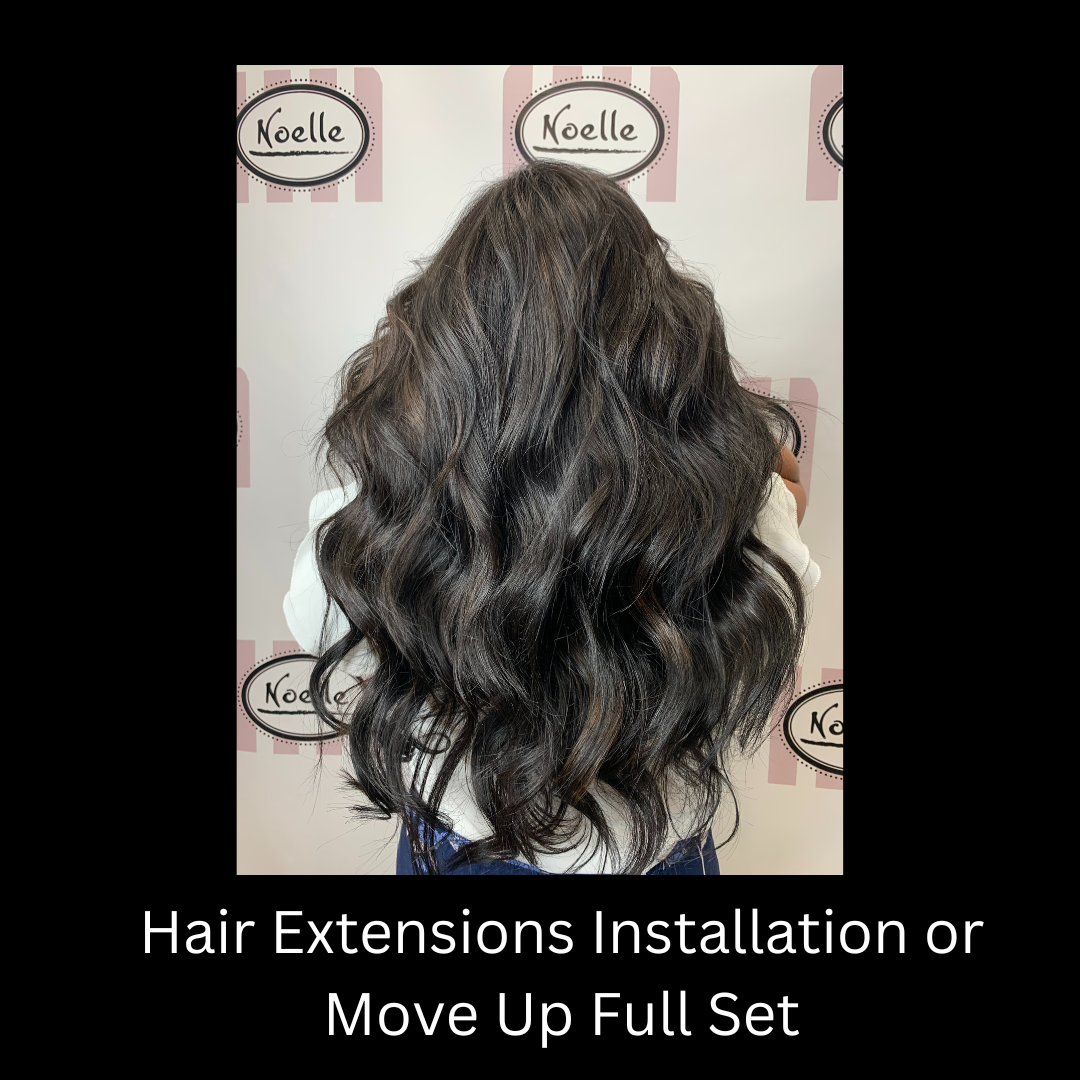
Density-enhancing hair extensions designed for fine hair
-
Ongoing maintenance and adjustment appointments
-
Styling techniques that protect fragile hair
What Results Can You Expect From Non Surgical Hair Loss Treatments?

One of the most complex parts of starting hair loss treatment is uncertainty. Many people want to know what will actually change, how long it will take, and whether the effort will feel worth it. Clear expectations help reduce frustration and build confidence.
Non-surgical hair loss treatments work gradually. Instead of a dramatic overnight change, progress happens in stages, with results that depend on consistency, hair loss type, and the chosen approach.
What results can you expect from non-surgical hair loss treatments:
-
Reduced hair shedding: Many people notice less daily hair fall within the first few months
-
Improved hair quality: Existing hair may feel thicker, stronger, and healthier over time
-
Visible density improvement: Thinning areas can appear fuller as follicles are supported
-
Gradual timelines: Initial changes often appear within three to six months, with continued improvement after
-
Ongoing maintenance: Most non surgical hair loss solutions require continued care to maintain results
Non-surgical hair loss treatment is about steady progress, not an instant transformation. With patience and proper guidance, results can feel natural, sustainable, and aligned with long-term hair health goals.
How Do You Maintain Long Term Non Surgical Hair Loss Care?

Starting hair loss treatment can feel like a relief, but maintaining results is where many people feel uncertain. Life gets busy, routines change, and it is easy to worry about losing the progress you worked hard to achieve.
Long-term non-surgical hair loss care focuses on consistency and support rather than constant intervention. With the proper habits and guidance, results can be preserved in a way that fits everyday life.
How to maintain long-term non-surgical hair loss care:
-
Stay consistent with treatment plans: Regular use of prescribed or recommended therapies helps protect existing progress.
-
Attend follow-up appointments: Periodic check-ins allow adjustments before hair changes become noticeable.
-
Support scalp health daily: Gentle cleansing, proper nutrition, and stress management play a role in hair stability.
-
Adjust care as hair changes: Treatment needs may shift with age, hormones, or lifestyle factors.
-
Avoid unnecessary strain: Minimizing tension, heat, and harsh styling helps preserve hair quality.
Maintaining non-surgical hair loss care is not about perfection. Small, steady habits make a lasting difference, keeping your hair supported as you move forward with confidence and peace of mind.
Conclusion
Non-surgical hair loss treatment is most effective when it’s tailored to the specific type of hair loss you’re experiencing—whether that’s female pattern thinning, androgenetic alopecia, alopecia areata, or telogen effluvium. Identifying the root cause is the first step toward seeing real, lasting improvement.
While treatments like red light therapy and topical solutions can support scalp health and encourage growth over time, they often work best when combined with practical, non-damaging solutions that provide immediate results and protect your existing hair.
At Noelle Salon, we specialize in customized, non-surgical options for hair loss Boston, including scalp-focused care, lightweight toppers, fine hair extensions, and mesh integration systems. Our goal is to create a plan that not only supports regrowth—but also gives you natural-looking coverage and confidence right away.
The sooner you take action, the more options you have to maintain your hair density and long-term results.
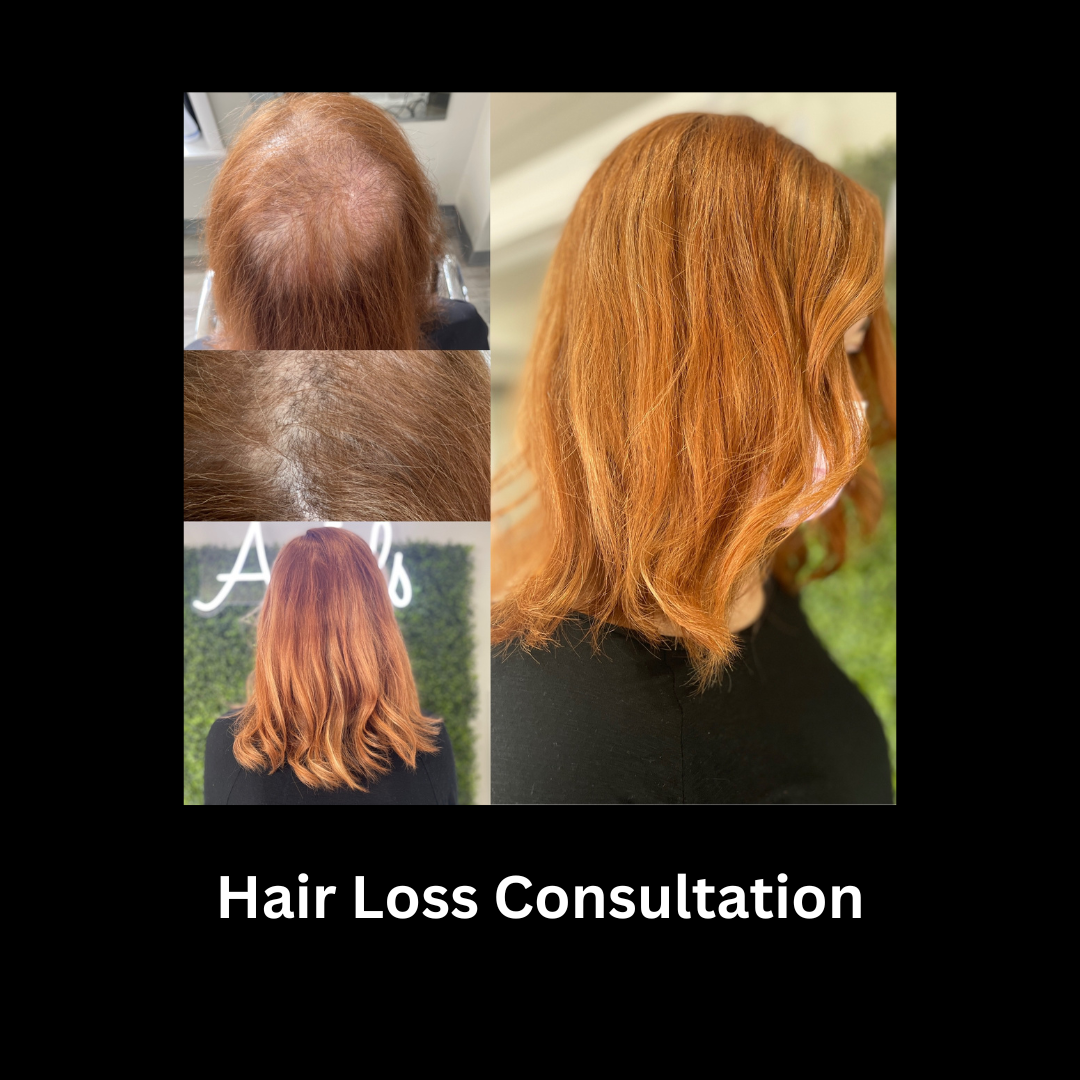
Book a free hair loss consultation to get expert guidance and a personalized plan that works for your hair, your lifestyle, and your goals.
Frequently Asked Questions
How soon will I see results from non-surgical hair loss treatments?
Most people notice early changes within three to six months. A hair loss non surgical solution works gradually, with reduced shedding first, followed by improved texture and visible density as follicles respond to consistent care.
What is the average cost of non surgical hair loss treatments in the United States?
Costs vary widely. Topical and medical options are more affordable, while PRP or laser therapies are more expensive. Pricing depends on treatment type, frequency, and whether ongoing maintenance is required.
Which non surgical hair loss treatments have the least side effects?
Low level laser therapy and cosmetic density systems typically have minimal side effects. Topical treatments may cause mild irritation, while medical options require monitoring, underscoring the importance of professional guidance when choosing a hair loss non-surgical solution.
How does non surgical hair loss treatment compare to surgical options?
Non surgical treatments support existing hair and offer gradual improvement with lower risk. Surgery provides permanent relocation of hair but involves downtime, a higher cost, and a commitment, making non-surgical care preferable for early to moderate hair loss.
What are the benefits of non-surgical hair fixing?
Often viewed as the best non surgical treatment for hair loss, non-surgical hair fixing offers flexibility, lower risk, and natural-looking results. It improves density or appearance without surgery, pressure, or permanent decisions.
Who are the best candidates for low-level laser therapy for hair loss?
Laser therapy works best for people with early thinning or pattern hair loss who still have active follicles. It is less effective for advanced hair loss where follicles are no longer functioning.
Are there any natural, non-surgical solutions for hair restoration?
Natural options focus on scalp care, nutrition, stress management, and gentle topical support. While helpful, they work best when combined with clinically guided non-surgical treatments for consistent results.
Are non-surgical hair loss treatments suitable for all hair types?
Yes, most non-surgical hair loss treatments can be adapted for straight, wavy, or textured hair. Treatment selection should be based on hair loss pattern and scalp health rather than texture alone.


